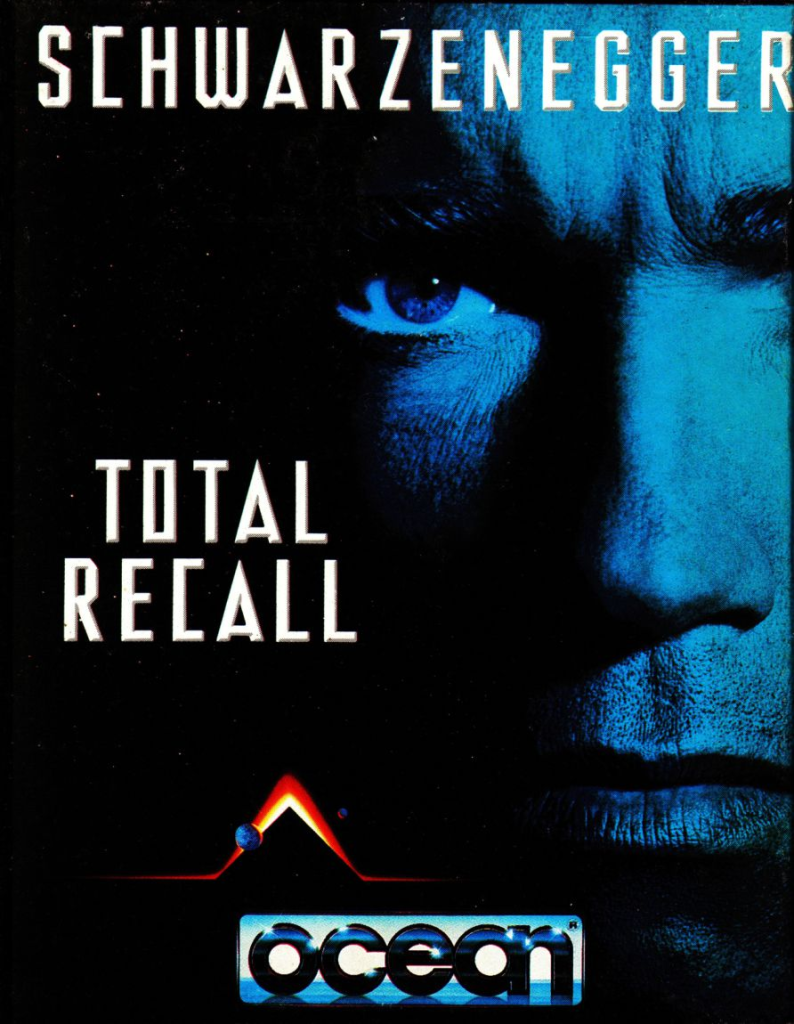
Now get your ass to Mars!!!………

God, I loved Arnie movies when I was young (I still do and whenever they pop up on Netflix, they always go straight on), and Total Recall is one of my favourites. As I was too young to go and watch in cinemas, it was, however, quite common in this era for me to play the games before seeing the movies, and not vice versa – in short, I had to wait for them to be released on VHS before viewing. Game time it is then.
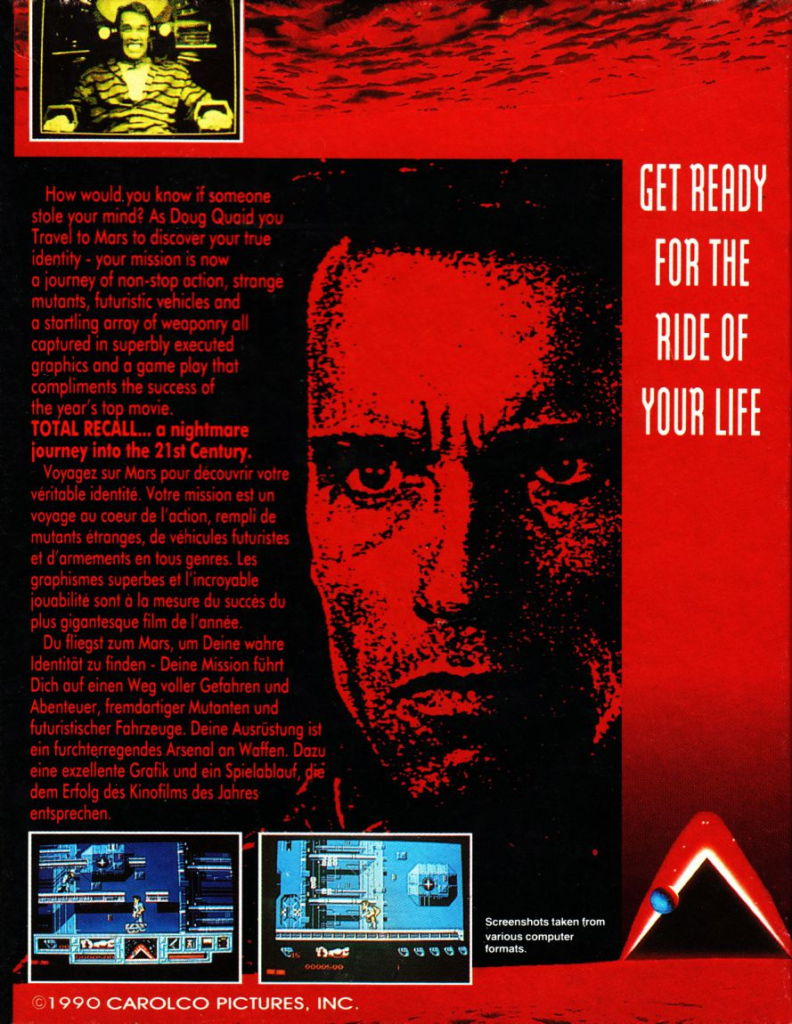
Let’s see if we can untangle the plot first, because the tagline — “You’re not you… you’re me” — doesn’t exactly clear things up. In Total Recall, you play as Doug Quaid, a man plagued by recurring dreams of life on Mars. Hoping for answers, he visits Rekall Incorporated, a company that implants artificial memories of the ultimate holiday rather than sending you on the real thing.
Quaid opts for the fantasy of being a secret agent on Mars, but when the procedure goes wrong, he begins to suspect something far more disturbing: perhaps he really is a spy, and his entire life as Doug Quaid is nothing more than an implanted identity. Determined to uncover the truth, he heads to Mars — with the ruthless Richter close behind.
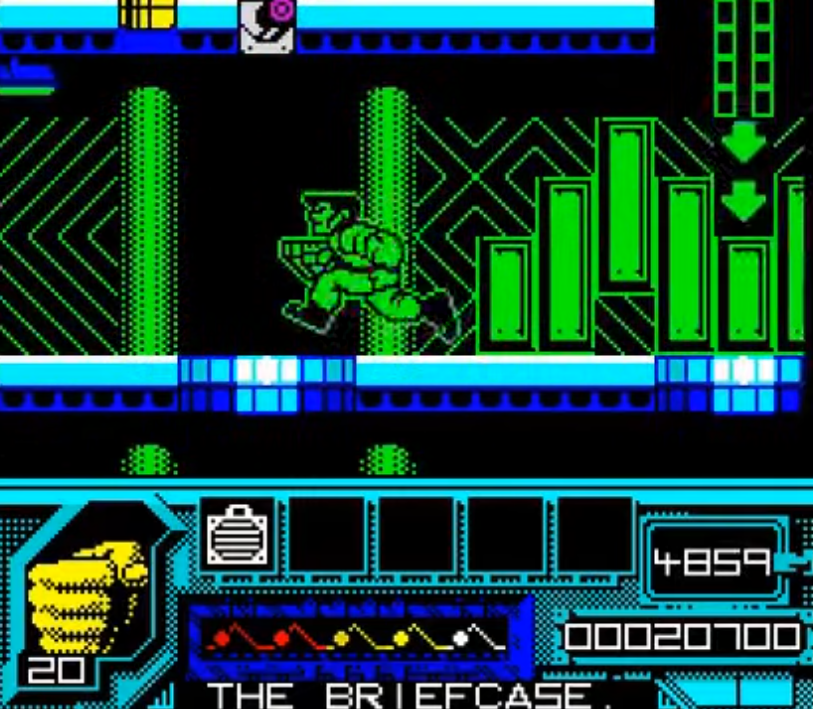

The game spans five action-packed levels, taking you from Earth to the red planet. Gameplay alternates between two distinct styles. The odd-numbered stages are multi-directional scrolling platform levels where Quaid leaps, climbs, and fights his way through sprawling environments. The even-numbered stages switch things up with horizontally scrolling driving shoot-’em-ups. It’s an unusual combination: the platform sections can be learned and mastered, while the driving levels demand sharp reflexes and solid shoot-’em-up skills.
Level one drops you into a heavily guarded complex patrolled by Richter’s armed thugs. Your goal is to locate five essential items needed for the journey to Mars. Armed with your fists and a gun (ammo is vital, so grab it whenever you see it), you navigate a five-storey maze of platforms and lifts. At first glance it sounds like standard platform fare, but there’s more going on beneath the surface.
The complex is riddled with puzzle elements, including floor switches that make hidden walls and platforms appear or vanish. Trigger the wrong switch — or miss the right one — and you could find yourself backtracking against the clock or plunging straight into acid for an instant death. You only get one life on this level, though energy can be replenished by collecting the right icons.
Adding to the challenge are two types of vertical laser beams. Yellow lasers cycle on and off automatically, demanding careful timing, while purple beams can be temporarily disabled by stepping on pressure pads. It all adds up to a tense and rewarding opening stage, with a real sense of progression as the layout slowly reveals itself. The visuals are unexpectedly cartoon-like for such a violent movie tie-in, but they’re large, detailed, and beautifully animated — especially Quaid’s gloriously messy death animation.


The difficulty feels well balanced too. Armed enemies are tough but fair, ensuring the game doesn’t devolve into a mindless brawler.
Level two shifts gears into the first driving shoot-’em-up. Quaid steals a Jonnycab and tears along a four-lane motorway toward a derelict warehouse, hoping to uncover more clues about his identity. The objective is simple: survive and destroy as many enemy vehicles as possible. Your energy steadily drains but is partially restored with each car you blow up — except ambulances, which sap energy if destroyed. Collecting an ‘E’ icon fully refills the bar.
There’s no strict time limit, but you must reach the end of the route, with a progress arrow showing how far you’ve travelled. The action is fast and demanding, though it lacks the thoughtful pacing of the platform levels. The isometric visuals are serviceable but feel a little dated.
Level three returns to platform action. Quaid now knows he was once Hauser, but Richter’s men are still closing in. This stage ramps up the difficulty with tighter jumps and more deadly hazards, while keeping the same core objective: explore, survive, and escape. Completing it launches you into another high-speed driving section before the final showdown.


The last level takes place deep within Mars itself — awash in red hues that can be tough on the eyes. Platforming returns at its most intense, with armed guards everywhere and a constantly draining oxygen supply. Oxygen cubes keep you alive, though in practice it’s usually enemy fire that finishes you off first.
Finish the game and you might even fully grasp the story.
So how does Total Recall stack up? “Addictive” is a good starting point — it’s seriously hard to put down. The platform stages are excellent, rewarding careful play and concentration. The driving levels are riskier and less engaging, but at least they’re generous with lives. Helpful Continue options after later levels soften the blow of failure.
Visually, the first three stages are standouts: bold, bright, and packed with colour. Animation is superb too, giving Quaid real weight and momentum as he moves, punches, and shoots — enemies fly back convincingly when hit.
I loved it, and I’ve got a strong feeling you will too.
BREAKDOWN:
GRAPHICS: 93%
MUSIC/SFX: 89%
PLAYABLITY: 92%
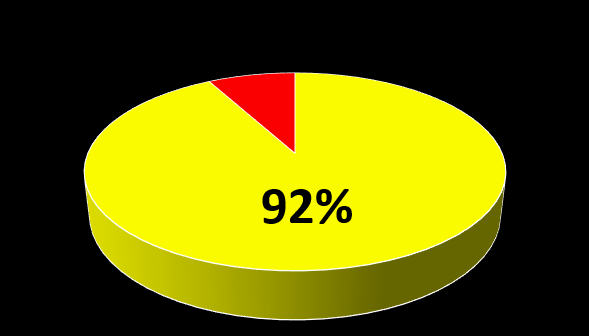
OVERALL: 92%
Platform: ZX Spectrum
Genre: Action – Platformer – 2D
Developer/ Publisher: Ocean
Release: 1991