
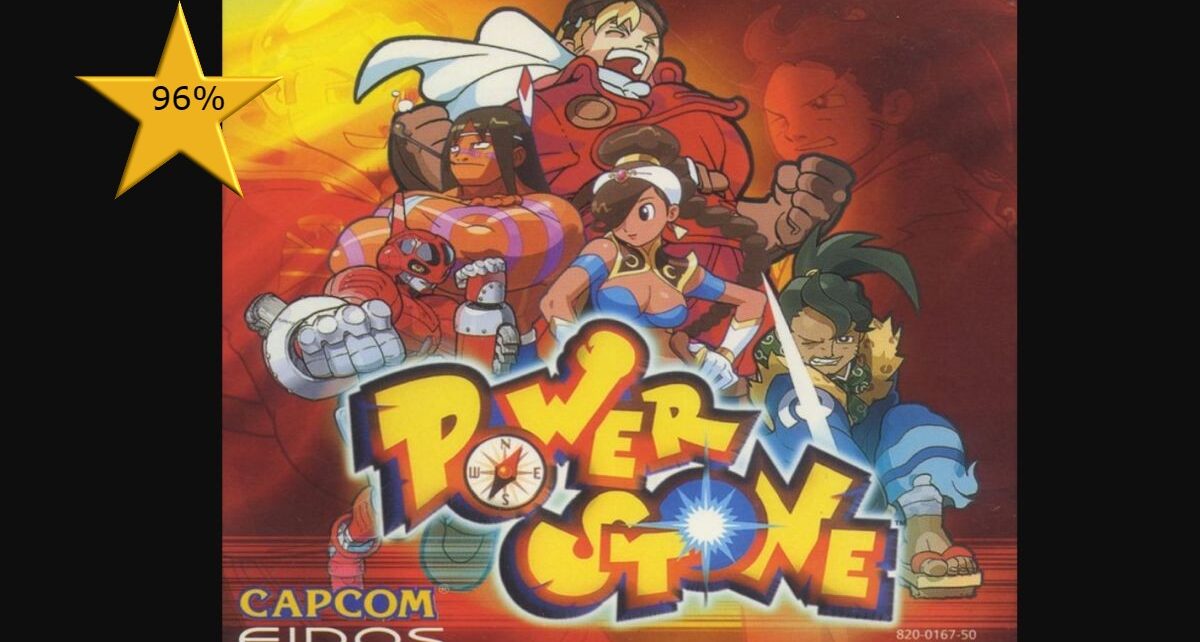
This is an absolute Masterpiece……
Power Stone, the arcade action/fighting game, made its debut on the Dreamcast in February, 1999. When you think of Capcom, three iconic titles immediately come to mind for the average gamer: Street Fighter, Biohazard (Resident Evil), and occasionally, Rockman (Megaman). However, when Capcom announced that they were developing a 3D fighting game on the Naomi arcade hardware and bringing it to the Dreamcast, many uninformed individuals assumed it would be just another Street Fighter clone, offering nothing more than a rehashed fighting formula. Capcom, however, proved all the critics, haters, and cynics wrong.
Graphics
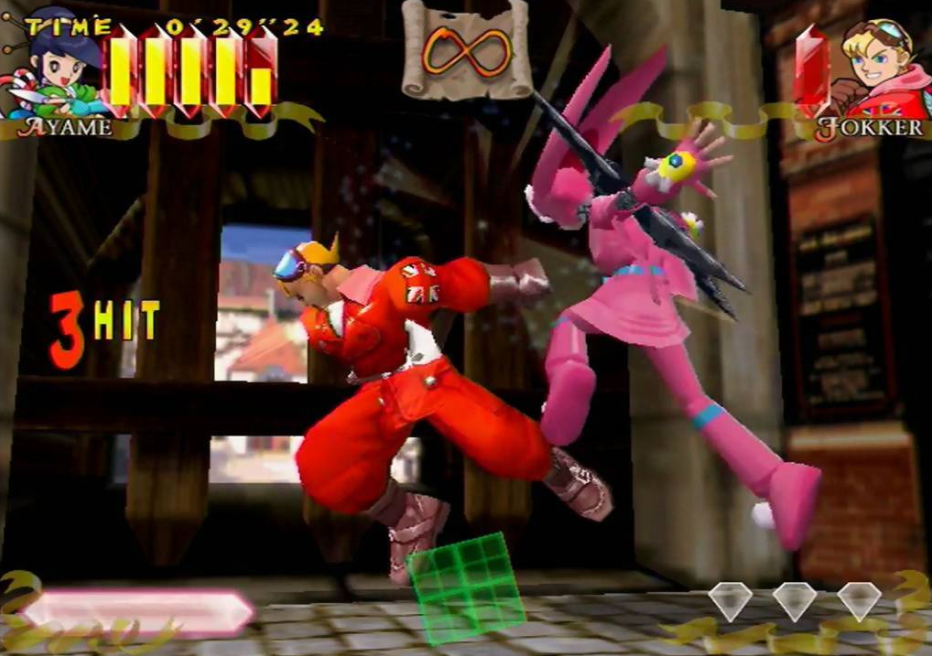
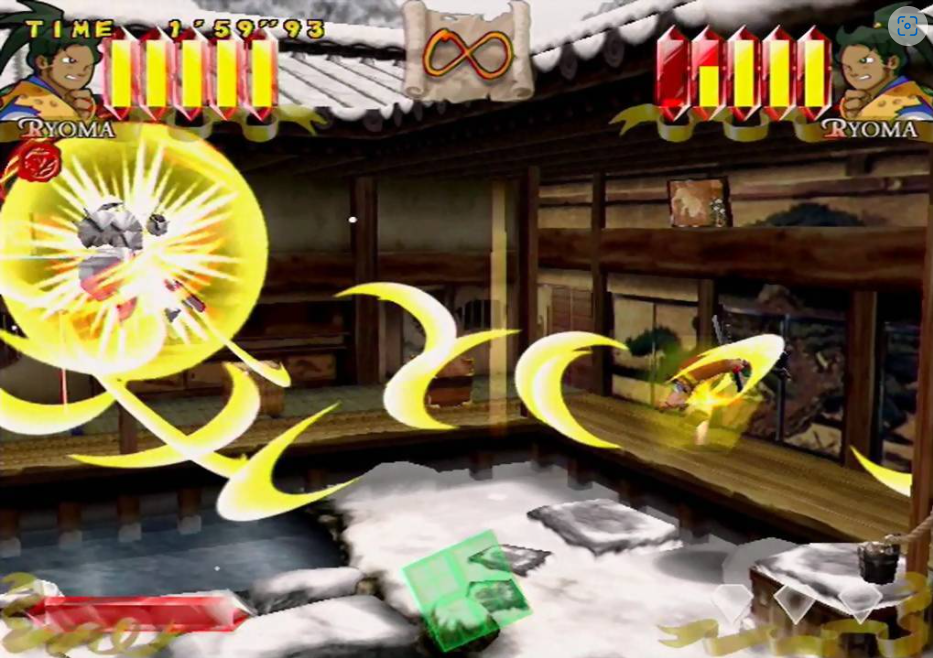
Power Stone boasts breathtaking graphics that push the limits of the early Dreamcast hardware. This game beautifully showcases Sega’s excellent console capabilities. The characters are intricately detailed, designed in a vibrant anime style. The background arenas and stages are magnificent both in appearance and layout. The visual effects are a true spectacle, leaving players in awe of the stunning visuals. When you first witness this game in action, you’ll be taken aback by the sheer quality of the graphics. Notably, Power Stone’s visuals stand tall even against the contemporary offerings on Sony’s supposedly superior PS2. This achievement speaks volumes about Capcom’s prowess in the visual department, demonstrating that they truly know what they’re doing.
Sound
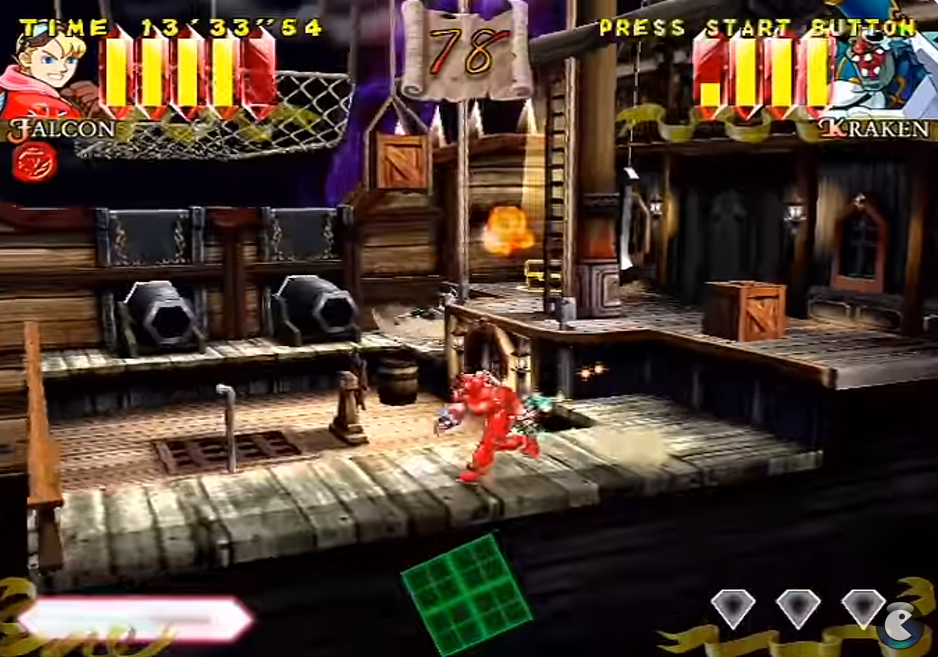
Power Stone features a truly unique and immersive musical experience. Unlike the generic rock or lackluster jazz/techno often found in other fighting games, Power Stone’s music can best be described as “fantasy.” It seamlessly immerses players in the game’s atmosphere, creating an adventurous musical backdrop. Each character has their own unique stage and background music (BGM) that complements their character perfectly. The music is a harmonious addition to the overall game experience.
The sound effects and voice samples are on the mark, leaving nothing to be desired. The clarity and perfection in the punches, kicks, throws, weapon noises, and more make the game a joy to listen to. The voice acting for individual character endings and the characters’ utterances and exclamations during battles add a nice touch, rounding off the excellent sound design. Capcom has done an outstanding job in this department, enhancing the overall experience of Power Stone.
Control
Much like in most Capcom games, the control system in Power Stone is nothing short of perfect. While it might take a bit of adjustment if you’re more accustomed to 2D fighters like Street Fighter, within a few minutes, the controls become incredibly smooth. The Punch, Kick, and Throw buttons are as straightforward as they come. The use of the L and R triggers for Super attacks is a clever addition, enhancing the overall control experience.

Gameplay
What truly sets Power Stone apart is its exceptional and incredibly enjoyable gameplay. It places you and your opponent in an arena, engaging in a thrilling free-for-all, using anything you can get your hands on. The arenas are filled with treasure chests containing various weapons to aid you in battle, such as Revolvers, Bazookas, Swords, Bombs of different sizes, Shields, Lasers, and more. You can also pick up and toss furniture at your opponent or catch it to defend yourself. If you’re playing a powerful character like Gunrock or Galuda or have possession of three Power Stones, you can even uproot wooden beams and use them to unleash havoc on your opponents. The game offers total interaction with the environment, with the ability to hang from the ceiling, access hidden areas, release barrels, destroy shelves filled with pots, and much more.
However, the game’s standout feature is undoubtedly the Power Stones themselves. When your character collects three of these multi-colored stones (red, yellow, and blue), they undergo a transformation into a superpowered alter ego with enhanced attributes. During this transformation, you gain increased strength, stamina, speed, and your life regenerates gradually. You can unleash powerful projectiles, special attacks, and access two extremely potent Super attacks (which deplete your Transformation gauge and revert your character to normal). This leads to incredibly fun and frenetic gameplay as you and your opponent battle it out to be the first to obtain the Power Stones.
For those who mistakenly think that Power Stone is in the same category as Street Fighter, it’s important to note that it’s DEFINITELY NOT. There are no quarter-circle-forward fireball motions, charging back then forward motions, or dragon punch commands here. In fact, you can’t even guard unless you have a Shield. As mentioned in the previous paragraph (and in numerous other Power Stone reviews), this game is a far cry from Street Fighter and stands in a league of its own. So, for all the naysayers and critics who claim that all Capcom fighting games are alike, Power Stone is here to silence those doubts and prove its unique brilliance.

Character Design
The character design in Power Stone is nothing short of wonderful and exceptionally original. With a diverse cast including characters like Fokker, Wang Tang, Ryoma (a personal favorite), Ayame, Gunrock, Rouge, and Galuda, it’s nearly impossible not to find a character you enjoy. Each character exudes a sense of freshness and uniqueness, and there’s absolutely nothing stale about them. The same level of quality and creativity was applied to the stages, resulting in spectacular environments. Kudos to Capcom for their insight in creating such an original and engaging game.

Replay Value
Power Stone offers an abundance of replay value. When playing solo against the CPU, you’ll face a serious challenge, especially on Level 8 difficulty. Moreover, the game is packed with secrets waiting to be unlocked. The Secrets menu offers various rewards, including new weapons, fun mini-games to download to your VMU, the ability to play as the bosses (Kracken, Valgas, and Final Valgas), a first-person mode, and access to the Ending, Voice Sample, Character Sketch, and Music Gallery, among other bonuses. Additionally, the Extra Options menu allows you to customize specific aspects of gameplay, such as the number of Power Stones in a stage and the damage dealt while transformed, or even staying in Transformation mode indefinitely.
Two-player versus games are a blast, offering hours of enjoyment as you battle against friends on diverse stages with an array of characters. Power Stone is filled with humorous elements, and you’ll discover plenty of goofy animations and slapstick actions along the way. Whether you’re playing solo or with a friend, Power Stone guarantees hours of entertainment.
Overall
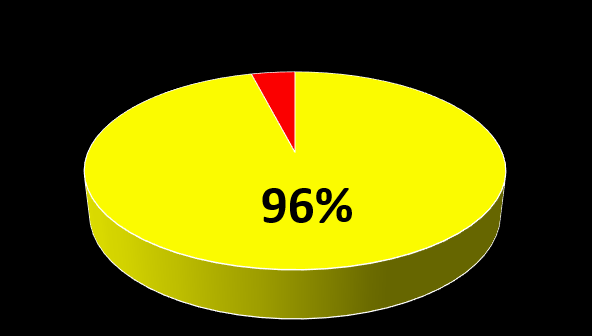
Power Stone is a true classic, one of those rare games that surfaces every few years, or even once in a lifetime, and reminds you why you started playing video games in the first place: to have fun. This game hooks you from the start and keeps you entertained throughout. Trust me, it’s that good. Someone at Capcom had a brilliant idea for a game with unique characters and environments, and fortunately for gamers, that idea became a reality. While Power Stone may be dismissed by fighting game elitists and snobs as not being a “serious” fighter, it doesn’t aim to be. It’s about having a blast! In an era when many people flock to play whatever the “in-crowd” is into, like The King Of Fighters 2060 and Guilty Gear XXXX, Power Stone offers a masterpiece of gameplay. If you relish frantic, exhilarating 3D action, seek an alternative to the more serious 2D and 3D fighters, or simply want to have a ton of fun without worrying about the snobbish elitists, then I highly recommend that you add Power Stone to your collection. Games this enjoyable only come around once in a lifetime.
BREAKDOWN:
GRAPHICS: 94%
MUSIC/SFX: 93%
PLAYABLITY: 97%
OVERALL: 96%
Platform: Dreamcast
Genre: Action-Fighting-3D
Developer/Publisher: Capcom
Release: 1999


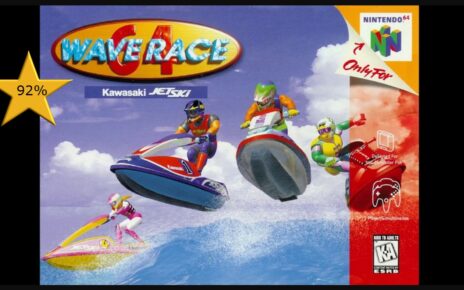
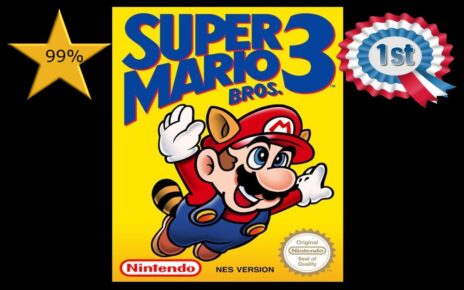
One of the best games ever. True masterpiece of gaming.