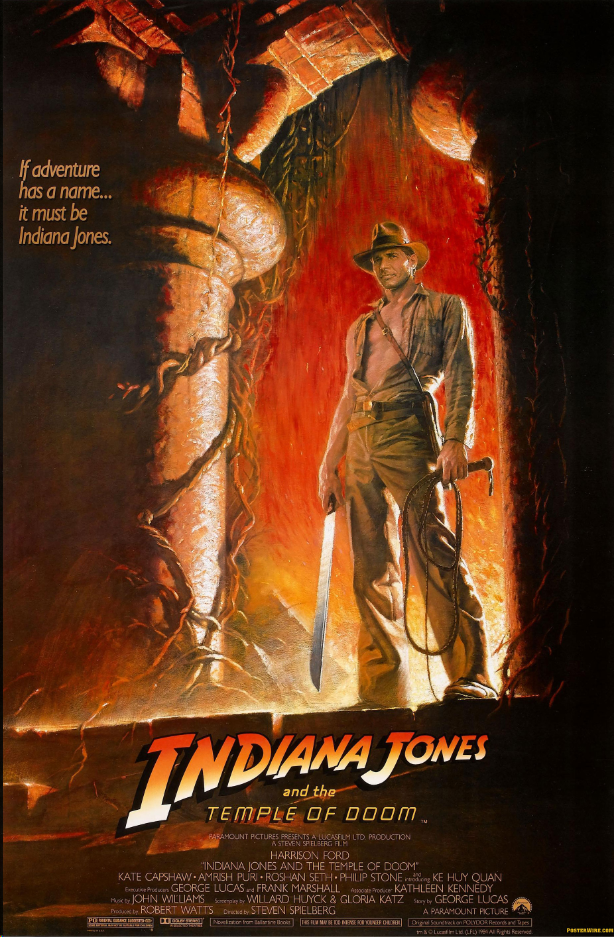
Steven Spielberg’s “Indiana Jones and the Temple of Doom” stands as an epitome of the quintessential Bruised Forearm Movie. For those acquainted with the term, it evokes the gripping experience where your companion’s excitement manifests in a vice-like grip on your forearm throughout the film, leaving you with a bruise as a souvenir of the thrilling ride.
This cinematic masterpiece unfolds as an unrelenting cascade of action, boasting a virtuosic string of climactic sequences that sustain the adrenaline rush for a staggering hour without a moment’s respite. It’s a roller-coaster of visual spectacle, a testament to technical prowess, and above all, an immensely enjoyable escapade that leaves audiences exhilarated.
Distinguishing itself from its predecessor, “Raiders of the Lost Ark,” which drew inspiration from Saturday afternoon serials, “Temple of Doom” ventures into new territory. Rather than a globe-trotting adventure, it predominantly unfolds within the confines of an Impregnable Fortress, aligning with the revered tradition of cinematic strongholds teeming with villainous zealots and fueled by slave labor.
The hero’s odyssey in such narratives is clear: infiltrate the fortress, seize the coveted prize, and orchestrate a daring escape. This Herculean task is fraught with peril, unforeseen traps, and exhilarating chase sequences. And, as tradition dictates, the denouement must witness the fortress’s demise in a blaze of glory, symbolizing triumph over tyranny as our heroes narrowly evade certain doom.
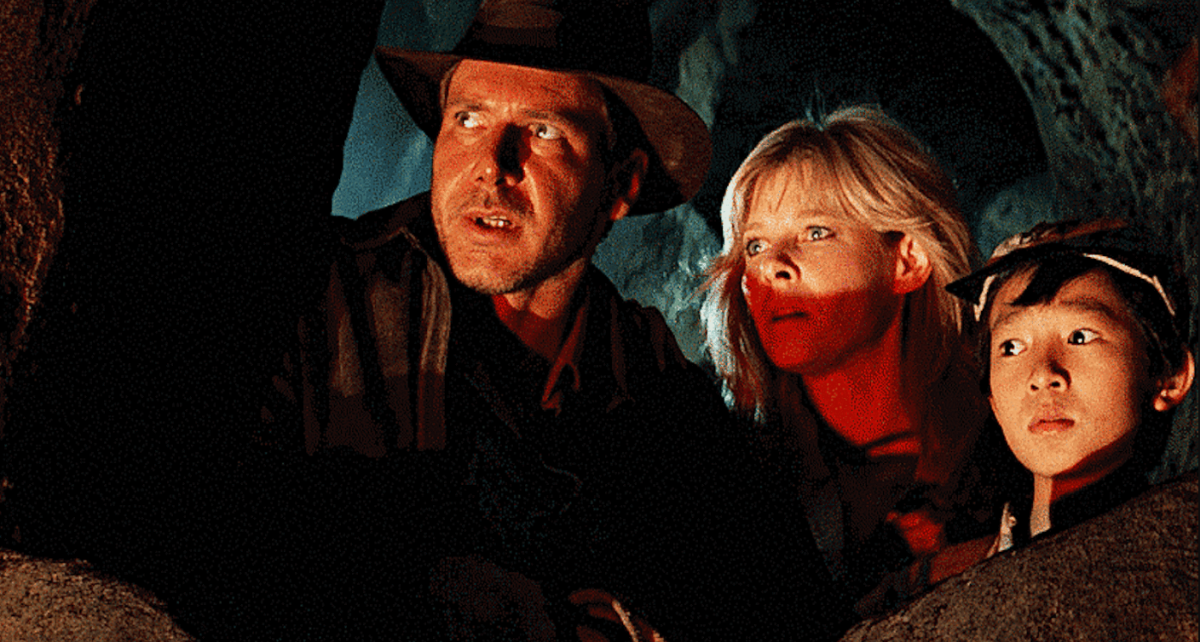
Let’s set aside the realm of intellectual film critique and dive back into the world of Indiana Jones. “Temple of Doom” thrusts us into the action from the get-go as Indiana finds himself in a Shanghai nightclub, pursued by ruthless assailants. Narrowly escaping with the help of a captivating nightclub singer, Willie (portrayed by Kate Capshaw), and his resourceful young companion, Short Round (played by Jonathan Ke Quan), Indiana embarks on a whirlwind of escapades.
Their journey takes them on a perilous flight over the Himalayas, a harrowing mid-air escape from a crashing plane, and a poignant encounter with a village elder beseeching Indiana to recover their sacred magic jewel, which vanished along with the village’s children. Ever the daring adventurer, Indiana accepts the challenge.
The narrative unfolds with a classic Bondian flair during a dinner engagement at the palace of a malevolent local potentate. This scene, reminiscent of James Bond’s encounters, sees our heroes faced with imminent danger while being regaled with pomp and grandeur by their host.
Following a brief respite for introspection and perhaps a refill of popcorn, the second half of the film plunges into a breathtaking series of exploits within the infernal depths of the palace’s mines. These subterranean passages have been transformed into a nightmarish realm, adding a new dimension of peril to Indiana’s quest.
The meticulous craftsmanship showcased in the set design, art direction, special effects, and sound effects within the subterranean abyss of “Indiana Jones and the Temple of Doom” ranks among the finest achievements in the annals of Raiders and Bond-style thrillers. Amidst the oppressive atmosphere, where scores of children toil under the tyranny of the malevolent maharajah fueled by the sinister power of the elusive jewel and its twin counterparts, Indiana and his companions are both horrified and resolute.
As Indiana endeavors to liberate the enslaved innocents by reclaiming the precious jewel, the narrative unfolds into a series of unforgettable set pieces. From the macabre spectacle of victims being lowered into the depths of a subterranean volcano in a steel cage to the eerie rituals conducted in its shadowy recesses, the film’s tension escalates.
A standout moment emerges in a pulse-pounding chase sequence aboard the mine’s miniature railway, a masterclass in kinetic filmmaking reminiscent of Buster Keaton’s iconic “The General” (1927). Spielberg’s adept direction navigates the logistical complexities of railway pursuit with aplomb, immersing the audience in a relentless barrage of thrills and spills.
“Indiana Jones and the Temple of Doom” unapologetically embraces its identity as a whirlwind of exhilarating, feverish escapism, leaving audiences breathless in its wake.
“Indiana Jones and the Temple of Doom” emerges as a gleefully thrilling, wonderfully eccentric, and romantically adventurous cinematic escapade, rivaling the exuberance of its predecessor, “Raiders.” It’s not merely a sequel; it stands as a worthy counterpart in its own right. The film delivers an unforgettable experience that leaves audiences exiting the theater with a mix of delighted amusement and, undoubtedly, a few bruised forearms from gripping excitement.