Oooff!!!! What an addictive little number this turned out to be……

“Node activated. Exit open.” A sampled voice crackles from the monitor’s speakers—and believe me, it’s never sounded so satisfying.
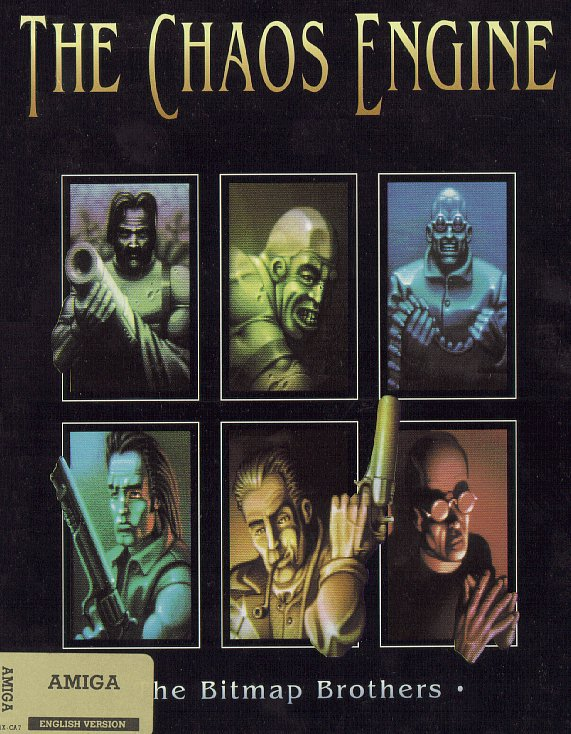
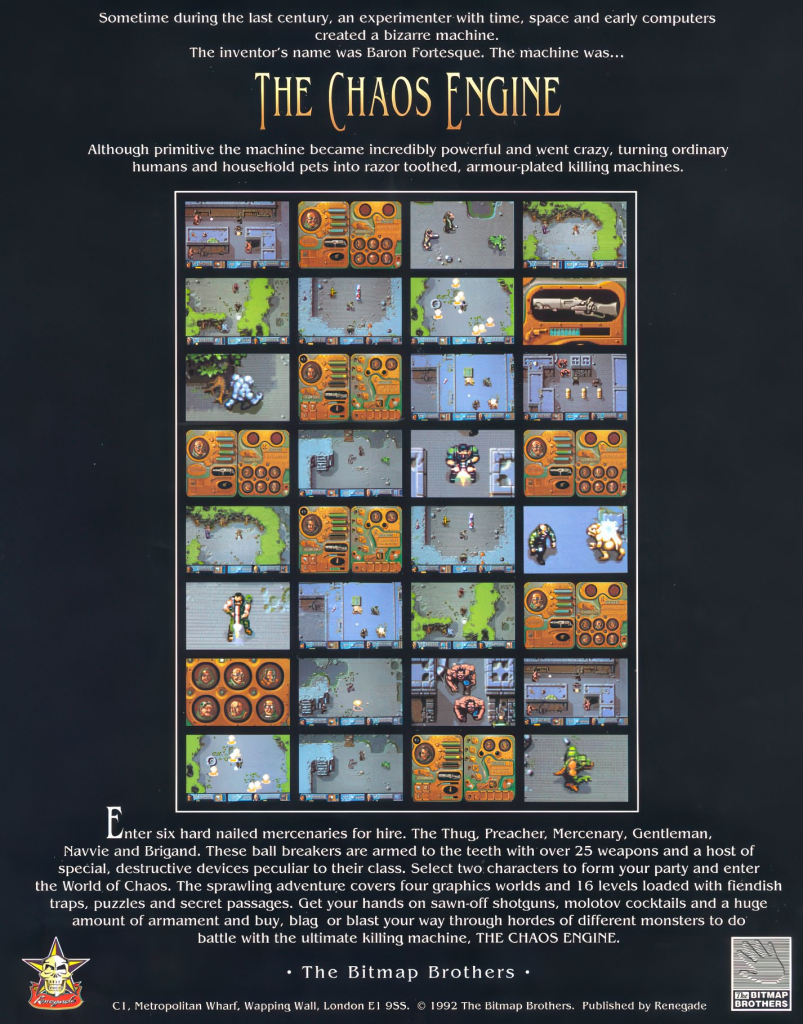
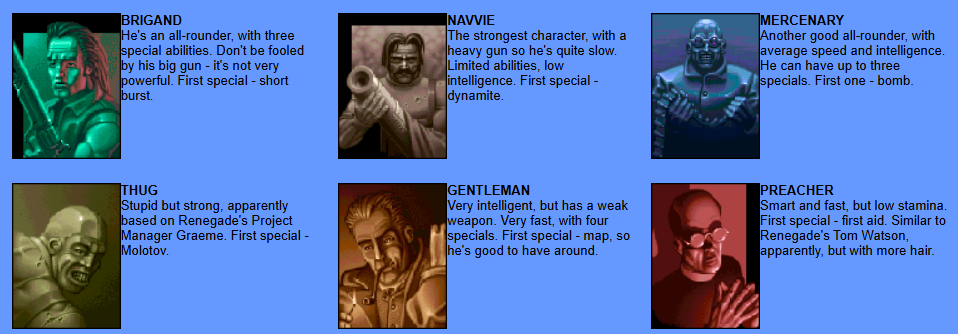
The Chaos Engine is built around two characters selected from a roster of six, controlled either by two human players or by one player teamed up with the Amiga’s AI. Each character brings distinct strengths and weaknesses: the Gentleman is swift but fragile, while the Navvie is slower yet capable of soaking up an impressive amount of punishment.
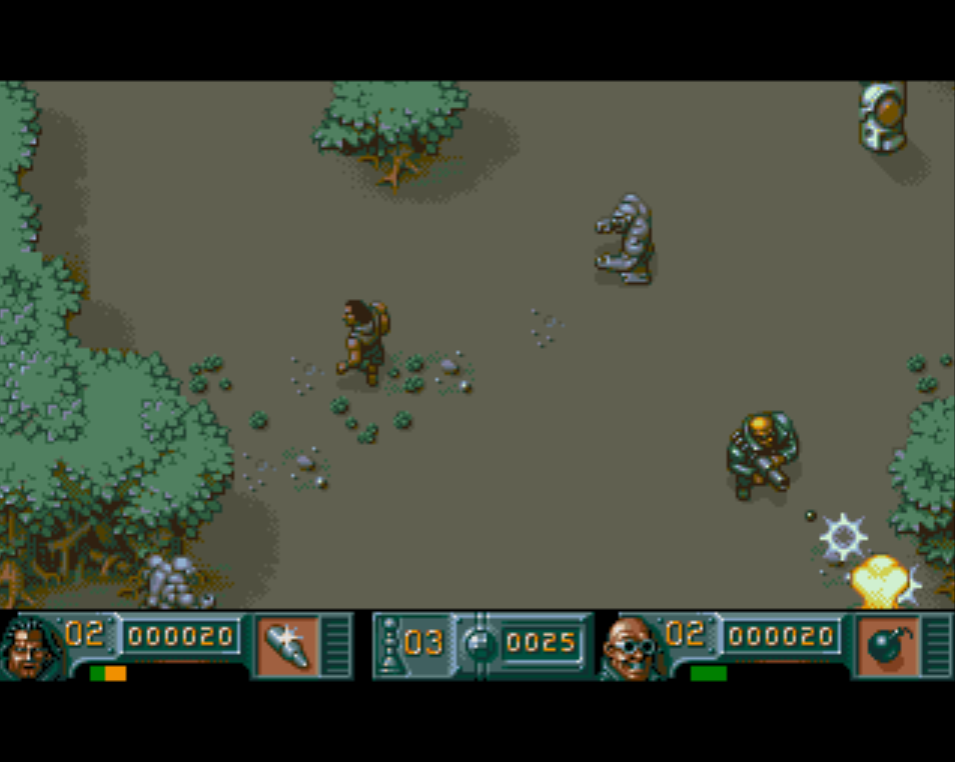
Once chosen, the pair tackle 16 sprawling levels that scroll dynamically, always keeping both players on screen. In two-player mode, progress is shared—one character can’t advance until the other catches up. In single-player, the computer-controlled partner usually sticks close, occasionally breaking off to grab nearby loot. Far from being dead weight, the AI is impressively capable. While you remain the dominant force, your automated ally pulls its weight, and enemy intelligence is just as sharp. Monsters won’t blindly wander into your line of fire; instead, they reposition themselves to attack from safer angles.
The game’s environments are divided into four distinct worlds, each boasting a unique visual style and its own set of challenges. Every world introduces fresh hazards, puzzles, and enemies, ensuring the experience never grows stale. More than once, you’ll find yourself convinced you’ve done everything required—yet the level stubbornly refuses to end.
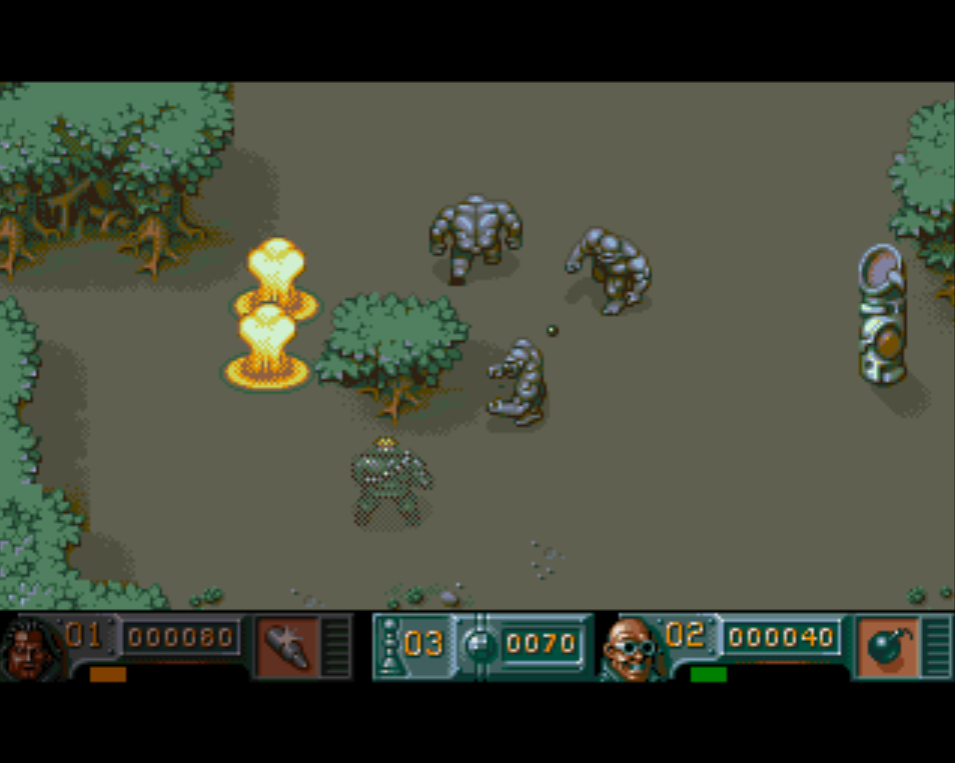
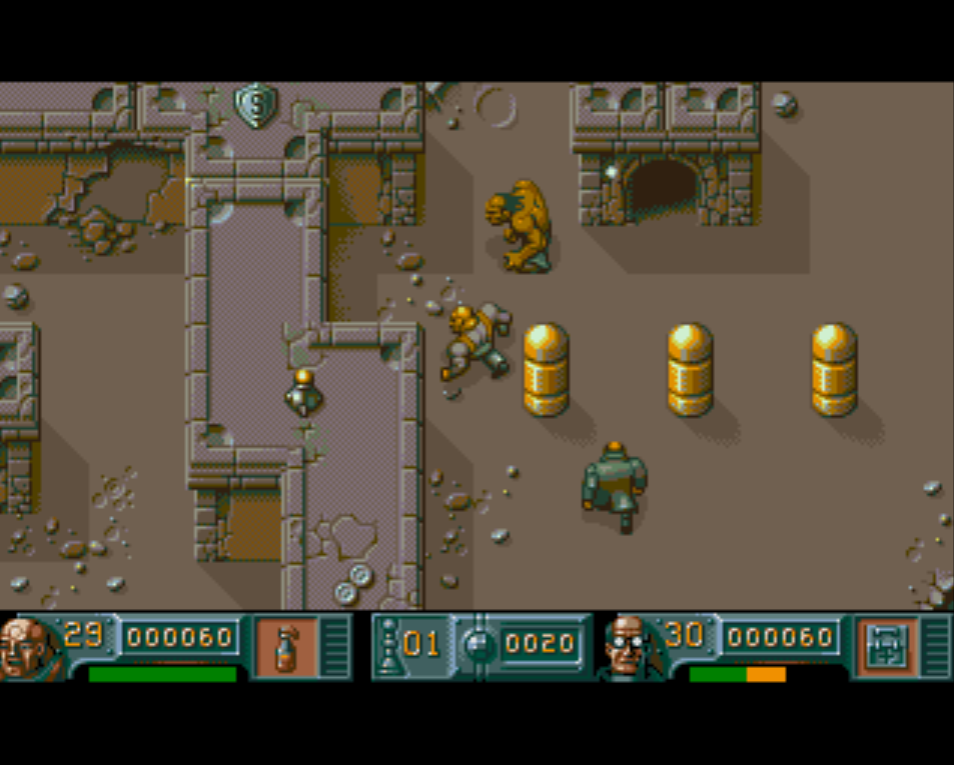
That’s when closer inspection pays off. A gargoyle facing the wrong direction, a rock formation with an unusual marking—small visual clues hint at hidden objectives. Often, just as frustration sets in, a single shot or special ability reveals a concealed object, exposing vital keys needed to progress. What initially appears to be a straightforward shoot-’em-up reveals a layer of subtle puzzle-solving that elevates it far above its peers.
Each character also has a unique special ability that reinforces their role. Heavier characters wield devastating tools like bombs or dynamite, while support-focused characters carry items such as maps or first aid kits. Although these abilities are innate, they can only be activated after collecting “special power” pickups scattered throughout the levels. Each player can store up to six at a time, making careful resource management essential.
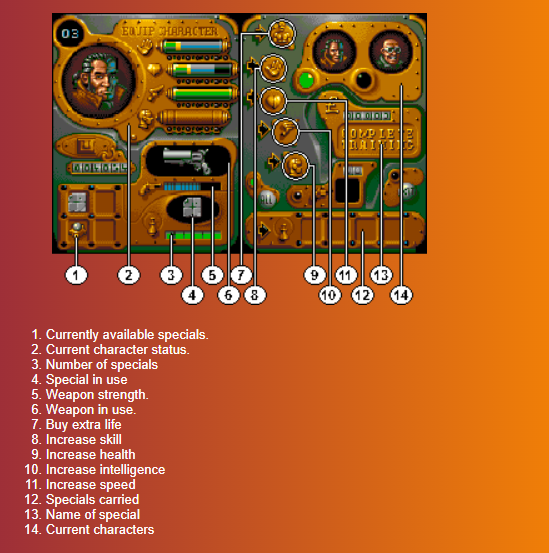
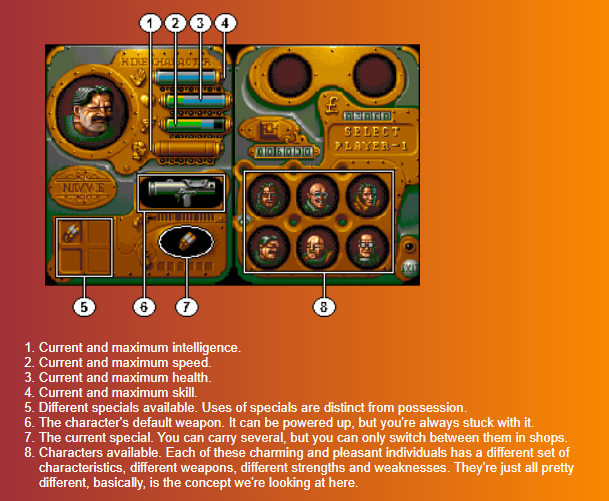
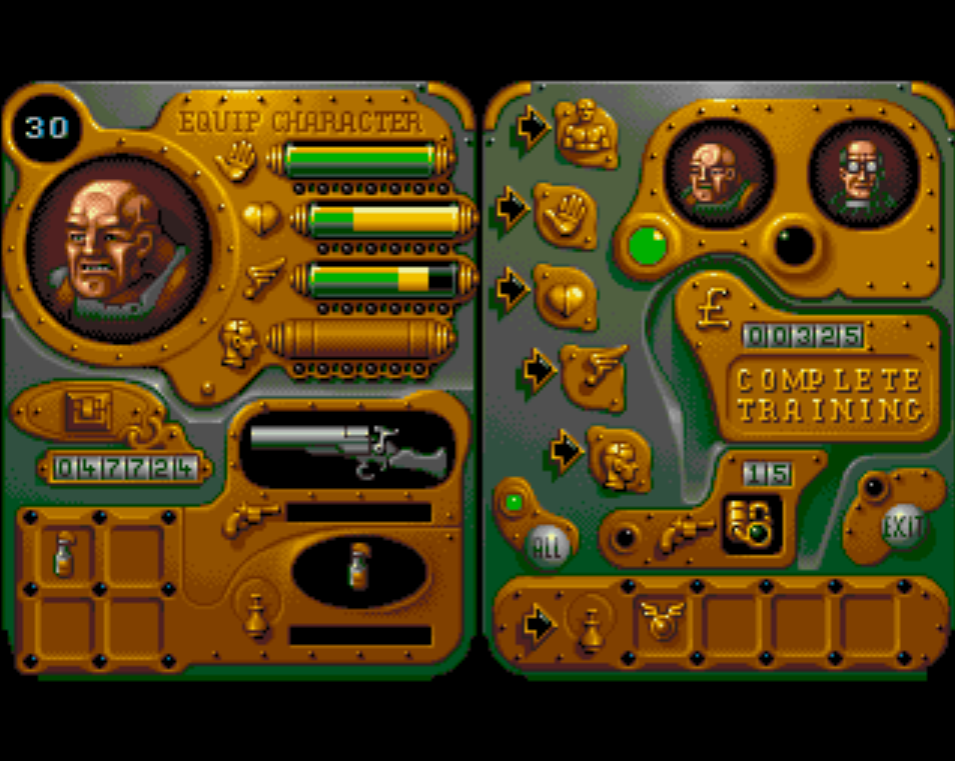
Special powers are useful, but weapon upgrades are absolutely crucial. These can be found in the field or purchased at the shop—usually at great expense. Early upgrades boost firepower, while later ones increase ammunition capacity, making encounters with tougher enemies more manageable. Before long, you’ll be bristling with weaponry, and thankfully, your character never slows under the added firepower.
Money fuels much of this progression. Enemies drop various forms of currency when defeated, each worth different credit values. Occasionally, large treasure caches are unlocked using gold keys, turning levels into frantic scrambles as players race to grab the biggest haul. In two-player sessions, this can even spill over into real-world jostling after hours of intense play.
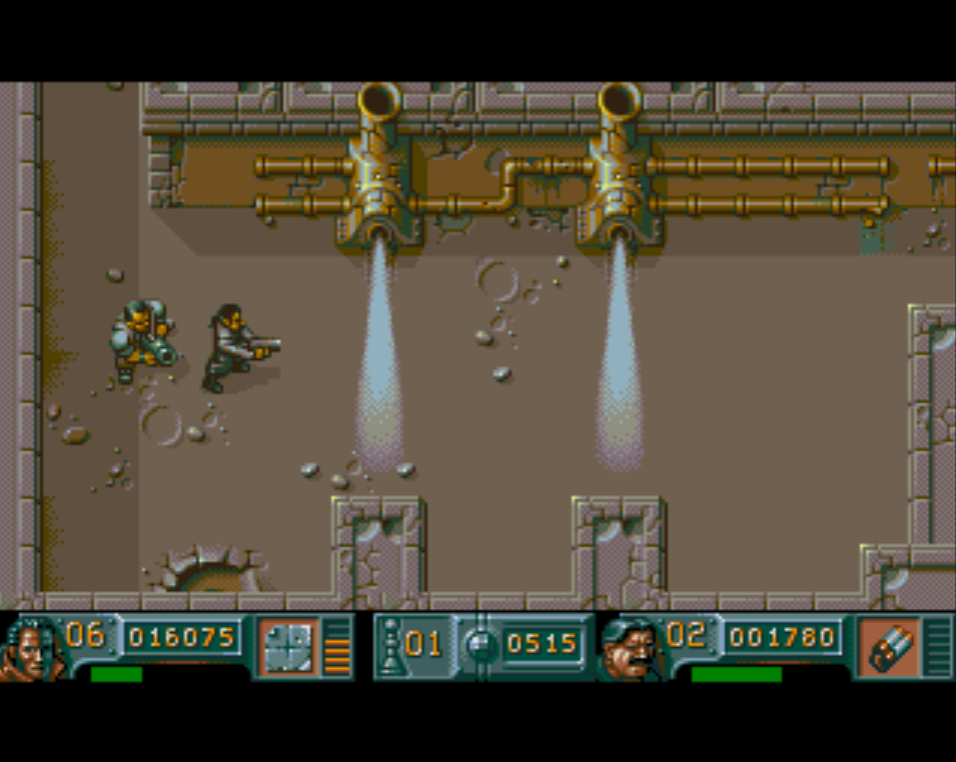
To advance through each level, silver keys must be located. Collecting them unlocks previously blocked paths somewhere in the environment—but usually at a cost. Key pickups frequently trigger enemy ambushes, so celebration should be brief.
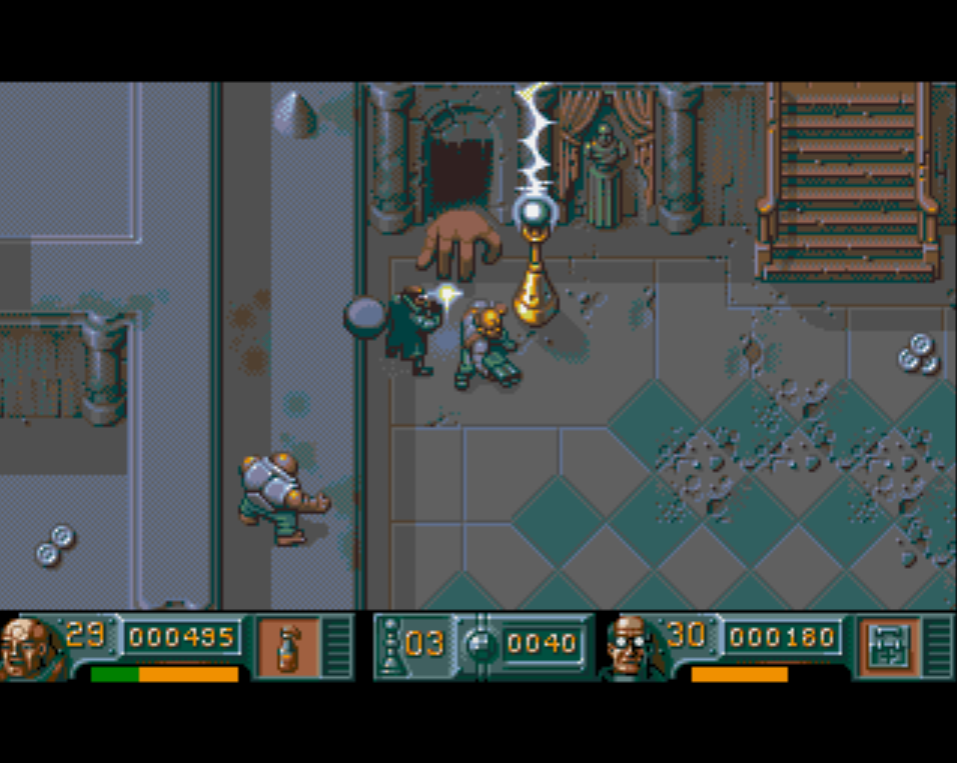
At its core, The Chaos Engine is about relentless action: shooting enemies, collecting treasure, and hunting for the exit. But exits don’t open automatically. Instead, players must locate and activate nodes—totem-like structures that transform when shot. Only after all required nodes are activated will the exit open. Some levels even feature multiple exits, determined by which nodes you activate. Activate them all, and you’ll be given a choice—clearly marked—on how to proceed.
By now, it should be clear that The Chaos Engine is anything but simple. It can be played as a high-speed shooter, but its true depth emerges when you start recognising patterns, planning routes, and refining strategies.
After each level, a detailed statistics screen reveals just how much loot, how many keys, and how many nodes were available—and how many you actually collected. The percentages are often humbling, encouraging repeated playthroughs in pursuit of perfection.
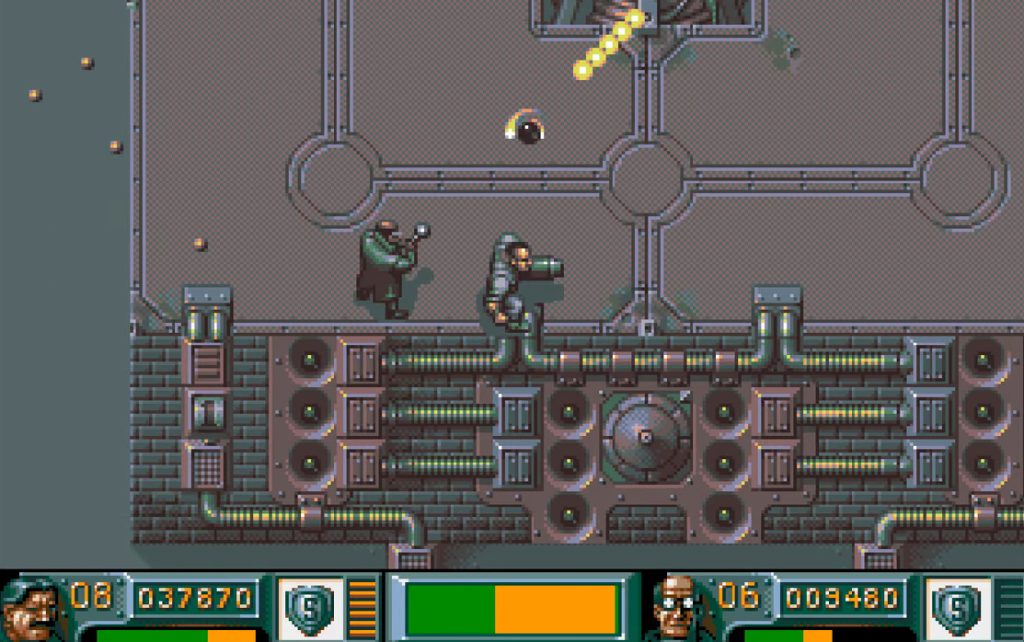
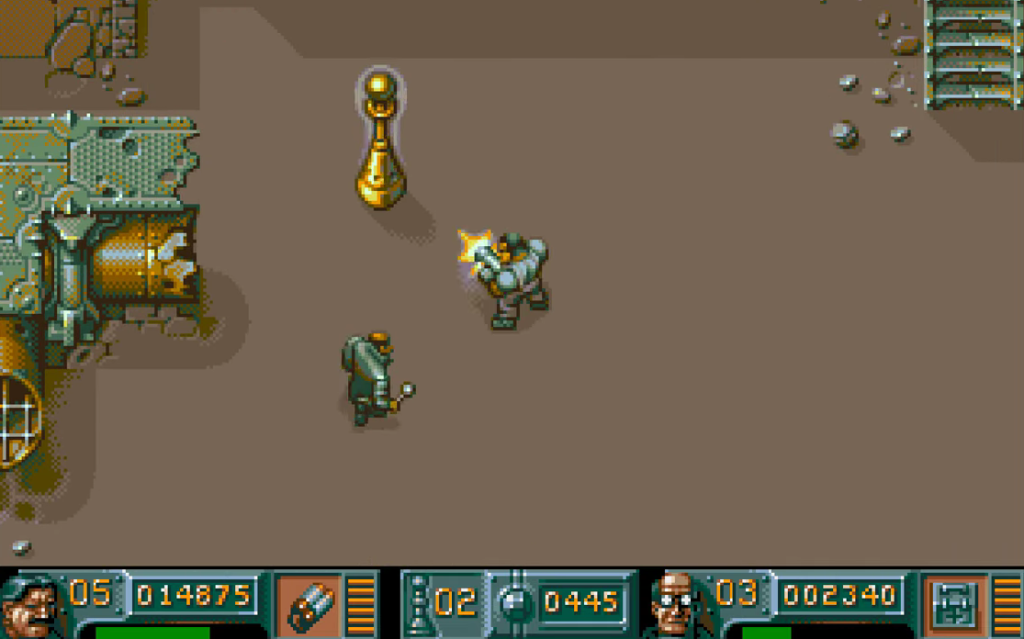
The sheer craftsmanship on display is unmistakable. Bitmap Brothers’ trademark metallic visuals, the familiar in-game shop, and the meticulous attention to animation all shine through. Character movement, weapon recoil, and enemy reactions are finely tuned, creating a game that feels as good as it looks.
The soundtrack perfectly complements the action—techno-driven but never monotonous—while the sound effects are beautifully sampled. From the reassuring system voice to the crisp clink of collected coins, every audio cue feels deliberate. Ambient touches, like cricket sounds echoing through forest levels, further enhance the atmosphere.
If there’s one minor drawback, it’s the lack of momentum-based movement seen in Speedball 2. That said, the reason quickly becomes apparent: the sheer number of enemies, projectiles, and effects packed onto the screen with barely a dip in performance is astounding.
Yes, The Chaos Engine borrows heavily from classics like Commando and Gauntlet. But it refines and expands on those ideas with such precision and care that any sense of derivation quickly fades. Solo, it’s a superb experience. Add a second joystick—and a willing friend—and it becomes nothing short of a classic.
BREAKDOWN:
GRAPHICS: 92%
MUSIC/SFX: 90%
PLAYABLITY: 95%
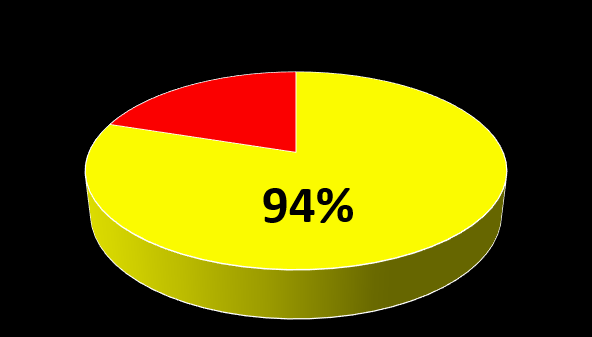
OVERALL: 94%
Platform: Amiga
Genre: Action-Shooter-Shoot-em-up-Top-Down
Developer/ Publisher: Bitmap Brothers / Renegade
Release: 1992