A game that for it’s time was truly outstanding……

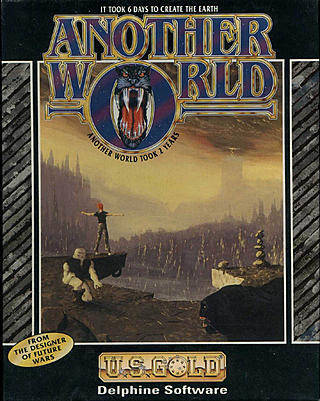
If you’re ever planning to run bizarre experiments with a particle accelerator, here’s one golden rule — don’t do it during a thunderstorm. Unfortunately, back in 1991, a red-haired scientist named Lester ignored that sound advice. Late one stormy night in his lab, while trying to reheat a cup of tea in his atom bombardment chamber, lightning struck the facility. The surge superheated the tea, fused the delicate machinery, and tore open a rift in space and time. When Lester reached in to clean up the mess, he was instantly pulled through the rift and found himself in…
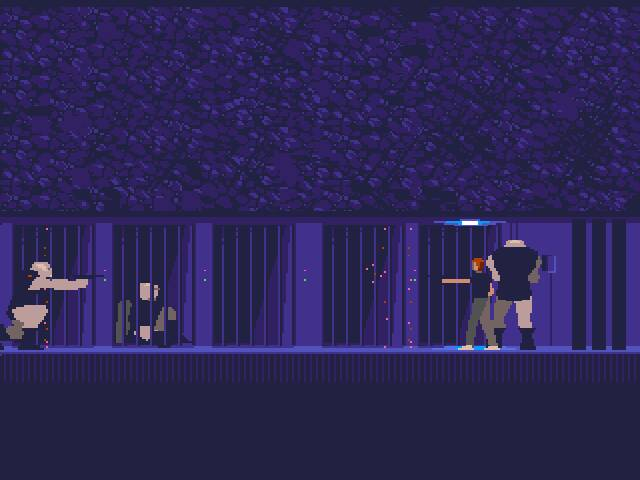

Another World.
This strange and hostile place was filled with jagged alien landscapes, hulking beasts, and faceless sentries. Shortly after arriving, Lester was captured, tossed into a cage, and dumped into a pool swarming with monsters. It’s at this moment that you take control — guiding Lester as he fights to survive and escape this eerie, unfamiliar world.
Released first on the Commodore Amiga in 1991, and later ported to the SNES, Genesis (as Out of This World), and 3DO, Another World was groundbreaking for its time. It was among the first games to seamlessly blend interactive gameplay with cinematic cutscenes, creating a truly film-like experience.

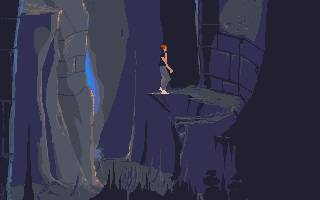
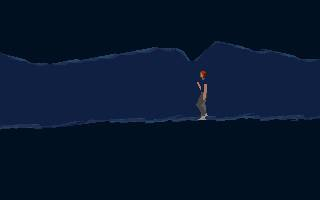
Visually, Another World stood apart from anything else of the era. Its minimalist polygonal characters and stylized, flat-yet-3D environments gave the game a haunting, otherworldly tone. Movement was incredibly fluid thanks to rotoscoped animation, which gave Lester and his alien surroundings an almost eerie realism. Instead of traditional scrolling, the game used a “flick-screen” system — much like later titles such as Oddworld: Abe’s Oddysee.
Lester himself is an unusual hero. He starts with no weapons, no powers, and no fancy moves — just his intelligence and quick reflexes. Once he acquires a gun, it can be charged in three different ways, allowing for strategic use in combat and puzzles. Gameplay is a mix of platforming, timing, and puzzle-solving, and yes — you will die. A lot. But the game’s generous checkpoints make repeated deaths more a part of the learning experience than a frustration.
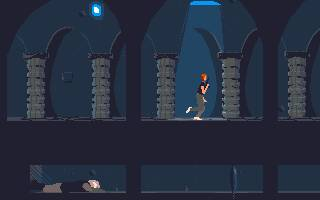
The opening sequence sets the tone perfectly: Lester awakens underwater, and if you don’t swim forward immediately, a creature drags you under. Die. Restart. Then there are the killer leeches. Touch one? Die. Restart. Moments later, a massive black beast charges at you — hesitate, and you’re done. Restart. Normally, “trial-and-error” gameplay can be infuriating, but here it serves the story. It reinforces the tension, danger, and helplessness of being truly alone in an alien world.
Midway through, you’re joined by a mysterious alien cellmate who helps you escape. The bond that develops between the two — despite the language barrier — is surprisingly touching. You rely on each other, save each other’s lives, and when you’re separated, you genuinely miss him. By the game’s finale, their friendship culminates in a moving, wordless ending that proves how powerful minimalist storytelling can be. Even with crude polygons, Another World evokes more emotion than many modern games with cinematic cutscenes.
Graphically, the game still holds up thanks to its moody, sparse art direction and subdued color palette. The atmospheric sound design and somber score enhance the sense of isolation and wonder. Yes, some sections can be frustrating — pixel-perfect jumps and tight escapes may test your patience — but the desire to see what happens next always keeps you going.
Another World influenced countless later games, most notably Flashback, and helped prove that video games could deliver cinematic storytelling and emotional depth without live actors or film clips. It was one of the first titles to make players truly feel something — fear, tension, and empathy — not just challenge their reflexes.
In the game’s epilogue, Lester eventually makes it back to Earth, gives up science, and marries his girlfriend, Betty Freeman. Years later, Betty’s younger brother, Gordon, begins work as a physicist in a secret lab. Lester offers him one last piece of advice:
“Don’t mess with your particle accelerator during a thunderstorm.”
Of course… thunder wasn’t the worst of Gordon’s problems.
But that’s another story.
BREAKDOWN:
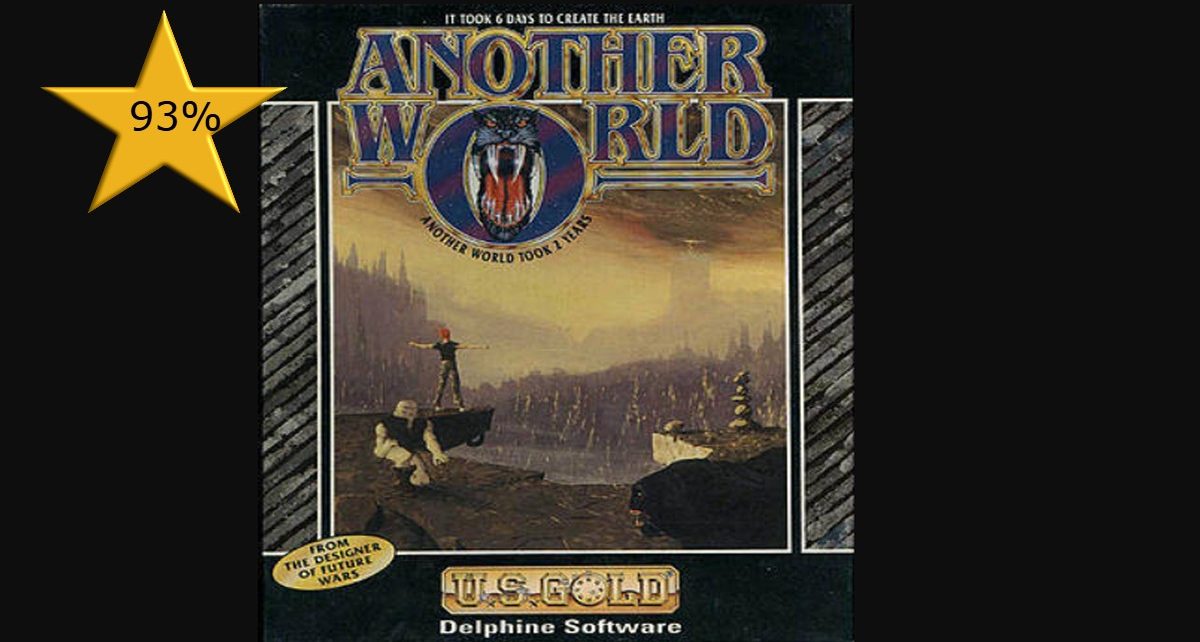
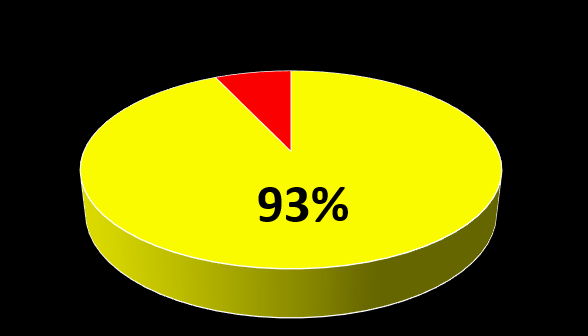
GRAPHICS: 93%
MUSIC/SFX: 85%
PLAYABLITY: 91%
OVERALL: 93%
Platform: Amiga
Genre: Action-Platformer-2D
Developer/ Publisher: Delphine Software International / Interplay
Release: 1991
Franchise: Another World