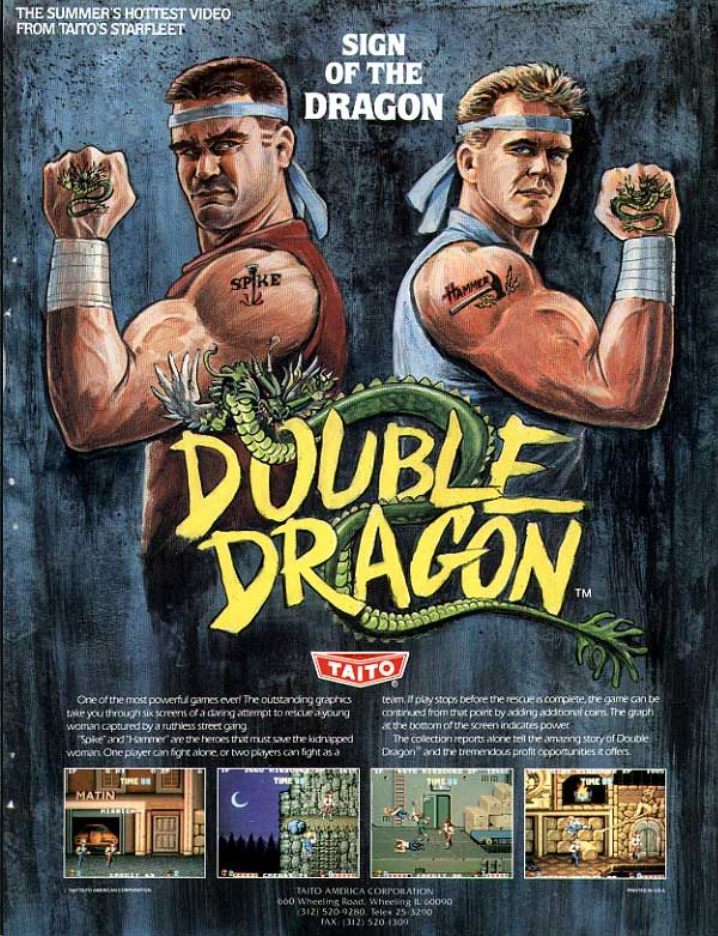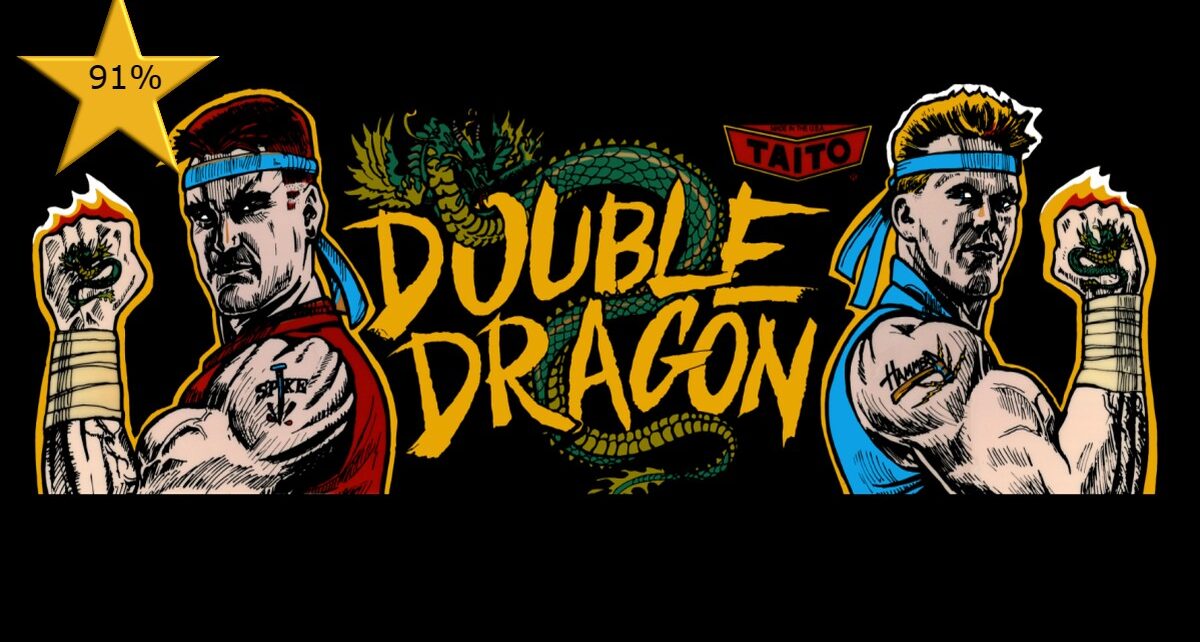
Call me biased for Double Dragon (and I am), however this remains a classic in the annals of arcade gaming……

Well, it had to arrive sooner or later. Double Dragon, the coin-op version. I could talk for hours about this game as it was THE game that got me into Beat-Em-Ups playing it for the first time in the Riviera Centre in Torquay whilst vacationing there as a kid. I still hold the memories close to heart and being a Spectrum holder at the time (you can read my review of the Spectrum Double Dragon here), it was the one that got me fascinated with 8 bit Coin-op conversions as well. But enough about my ‘glory’ days, here’s the review.
Men are generally laid-back, but there are certain things that trigger strong reactions: Don’t tamper with our cars, don’t insult our mothers, and most importantly, never mess with our girls. Double Dragon, the pioneer of Beat-‘Em-Up games, skillfully taps into the male instinct of protecting their women, presenting it straightforwardly at the outset. A thug punches your girlfriend, hoists her over his shoulder, and drags her to his lair. That’s the setup – no lengthy cutscenes, no subplots, just a swift introduction, and you’re in the thick of it. And it works seamlessly. Who wouldn’t be infuriated? Every man can relate, instantly immersing you in the world of Double Dragon, an arcade game from 1987 that has aged like a robust, albeit quite intense, vintage wine.
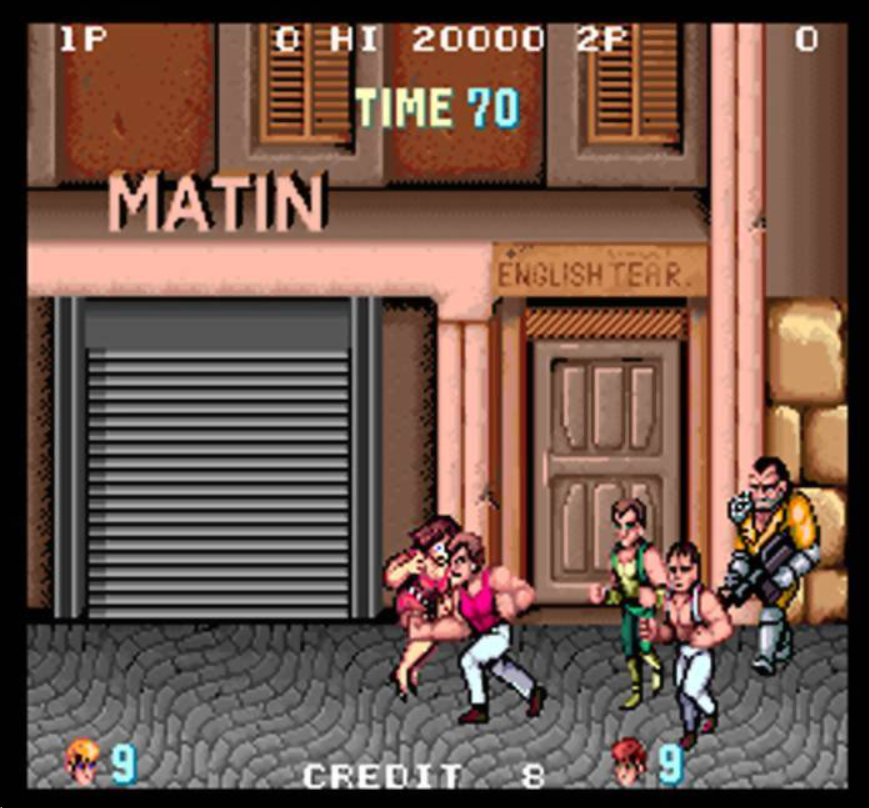
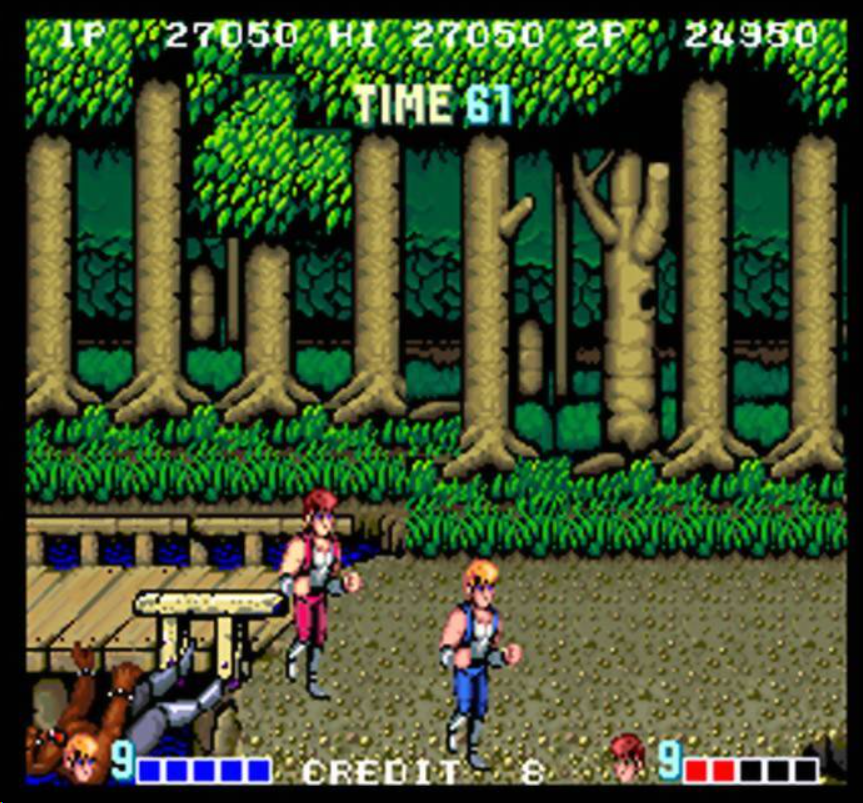
Story – There’s more to the narrative than the initial punch, even though the in-game details are minimal. The Black Warriors are wreaking havoc in New York City, and martial artist brothers Billy Lee (player one) and Jimmy Lee (player two) stand as the lone resistance. They operate a Dojo in the city, imparting self-defense skills to citizens. Oh, and Billy Lee has a girlfriend named Marian, apparently a real catch. Predictably, The Black Warriors don’t appreciate any of this, and presto! One kidnapped girlfriend later, you have your story. Is it groundbreaking? Not really. Is it effective? Absolutely! A damsel in distress wasn’t a novel concept in arcades then, but the plot does precisely what it’s meant to: pump you up, fuel your motivation, and give you a reason to feed quarters into the machine. Simple yet brilliant.
Gameplay – Truly impressive. While many Beat-‘Em-Ups later adopted a simpler control scheme with one button for punching and one for jumping, Double Dragon, in 1987, utilized three buttons: punch, kick, and jump. Despite this simplicity, a remarkable array of moves can be executed – punch, kick, head-butt, elbow smash, jump kick, flying back kick, and the memorable knee to the face. Veterans of the series might miss the hurricane kick from the sequel, and NES version enthusiasts might long for the Renegade-style ability to sit on an enemy and punch them in the face. Nonetheless, there’s plenty here to satisfy. Not to mention the variety of weapons at your disposal in the quest – bats, whips, knives, boxes, barrels, boulders, dynamite – all can be picked up or knocked from an enemy’s hand to inflict pain.
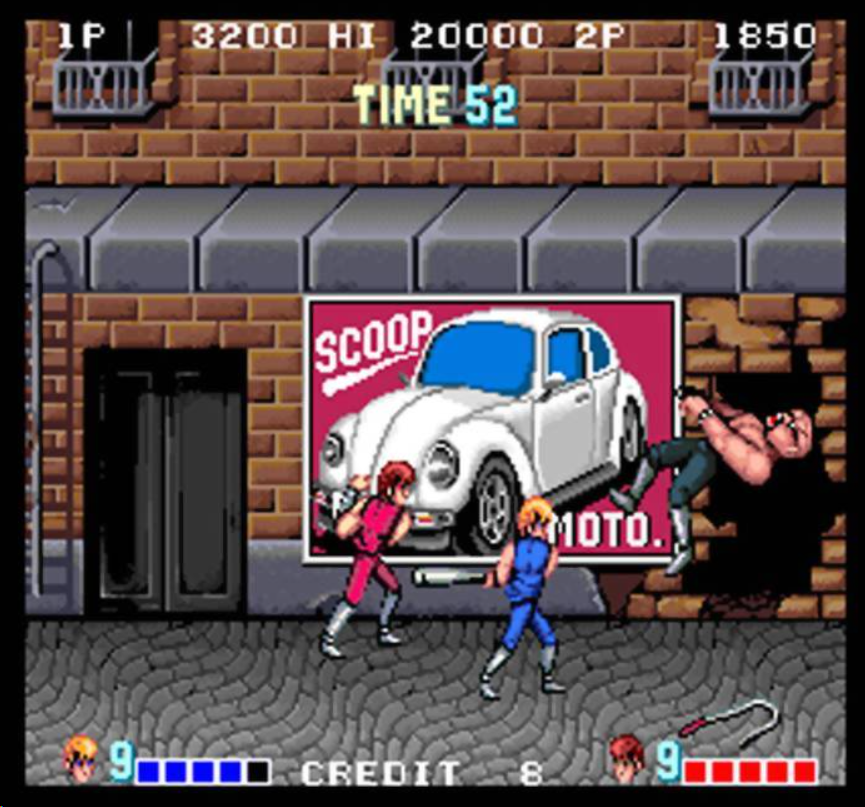

In contrast to later Beat-‘Em-Ups, which often featured strictly linear and lengthy levels bombarding players with a multitude of enemies, Double Dragon’s gameplay is more involved and realistic without sacrificing fun. The game avoids the monotony of swarming enemies, and you can’t take out numerous foes with a single set of punch button presses, a somewhat unrealistic aspect seen more in early-90s BEUs than late-80s ones. The levels are designed with holes, ladders, bridges, conveyor belts, and more, adding flavor without excessive length. With only four stages – city streets, a factory, a forest leading to the mountains, and the enemy hideout – it’s not a long game, but it’s perfectly suited for an arcade experience. Theoretically possible to beat with a handful of 10p’s and without testing your patience. However, the game’s Achilles’ heel is the hardware, leading to noticeable slowdown when there are numerous sprites on-screen, especially during simultaneous two-player action. While not game-breaking, it can be frustrating when dealing with a substantial number of on-screen enemies.
Graphics – Impressive for 1987, the visuals effectively capture the gritty streets and factory, dense forest, and foreboding temple hideout. While it may not stand out today, compared to other coin-ops of its time, the graphics are commendable. With only a few enemies, pallet swapping keeps them visually fresh. Notably, Abobo, the hulking man-beast, appears in all his glory, looking better than he did on home consoles, at least until the Sega Genesis version.

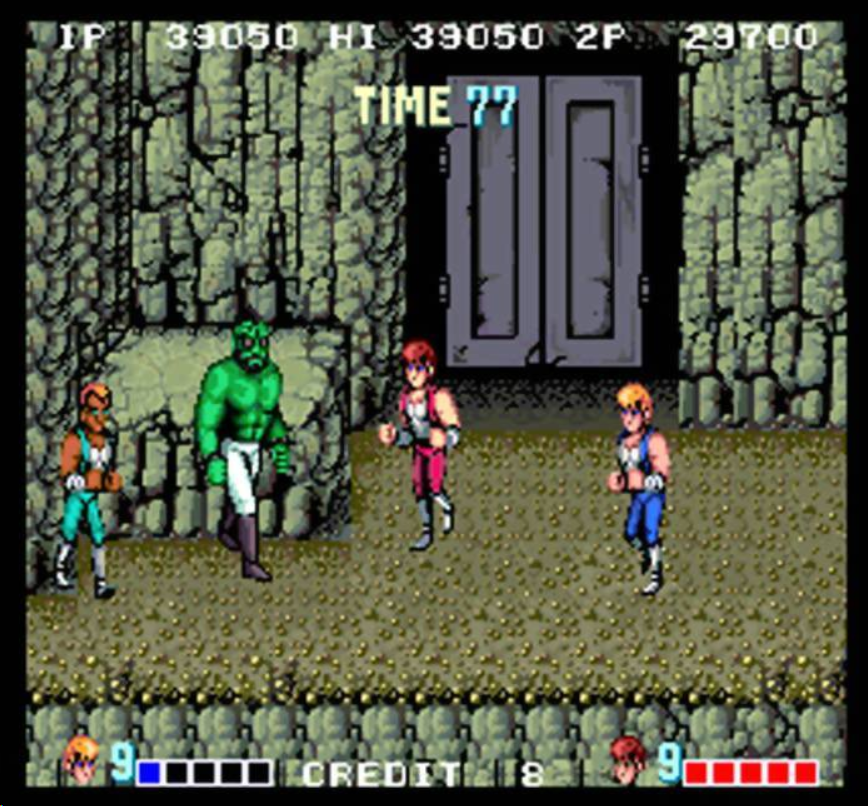
Sound – Undoubtedly one of the greatest video game soundtracks of all time. Describing it is a challenge, but the entire soundtrack is flawless. Similar to how Contra’s first level music amps you up for action, Double Dragon’s entire score achieves that level of intensity. The title screen’s music sets the tone for street fighting, and level 1’s music is possibly my all-time favourite from any game. The quality remains consistent throughout the game, perfectly complementing on-screen action. Double Dragon’s music is nothing short of perfection.
Regarding sound effects, you experience the punches, bat cracks, explosions, grunts, and yelps – all executed excellently.
Replay – Exceptionally replayable, well-executed Beat-‘Em-Ups (BEUs) have the inherent quality of being endlessly enjoyable. Lack of an intricate storyline contributes to the game’s replayability, allowing players to focus on the simple objective of beating down adversaries. Vigilante-style crime fighting never loses its appeal, and Double Dragon encapsulates this perfectly. Given its relatively short duration, you can complete the game multiple times in a single sitting.
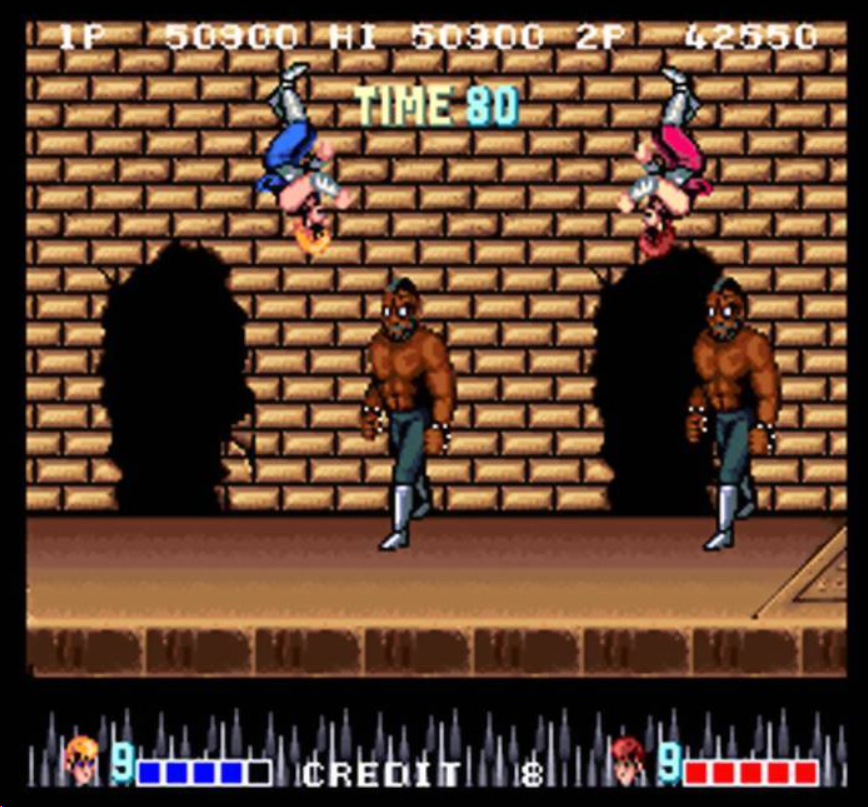

In conclusion, Double Dragon stands as arguably the quintessential Beat-‘Em-Up. Occasional slowdowns are the only blemish on what would otherwise be an absolutely flawless street fighting experience. Despite this, the game remains loveable. There’s a certain magic in Double Dragon that sets it apart from similar titles, a magic that became increasingly scarce as more BEUs flooded the market. It’s not just about the gameplay or the soundtrack; it’s the instantaneous progression from one level to the next, providing a genuine sense of advancement. It’s the grand entrance of Abobo smashing through a wall. It’s the rewarding kiss from Marian after her rescue. Throughout, the game remains true to its core of unadulterated street fighting action—no monsters, aliens, supernatural elements, or transformations. The closest Double Dragon gets to such elements is a green-painted Abobo, and that might just be body paint. While later BEUs became larger, longer, and more extravagant, none truly surpassed what Double Dragon achieved.
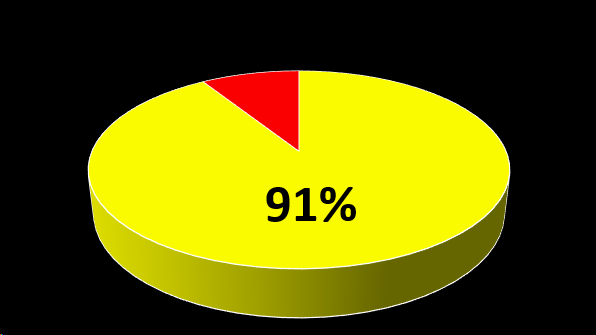
Double Dragon is an undisputed classic. Am I slightly biased considering my history with the game? Probably, but at the end of the day, I’m in control so a 91% rating and a Gold Star to boot.
BREAKDOWN:
GRAPHICS: 80%
MUSIC/SFX: 95%
PLAYABLITY: 90%
OVERALL: 91%
Platform: Arcade
Genre: Action-Beat-‘Em’Up-2D
Developer: Technos
Publisher: Taito Corporation
Release: 1987
Franchises: Double Dragon