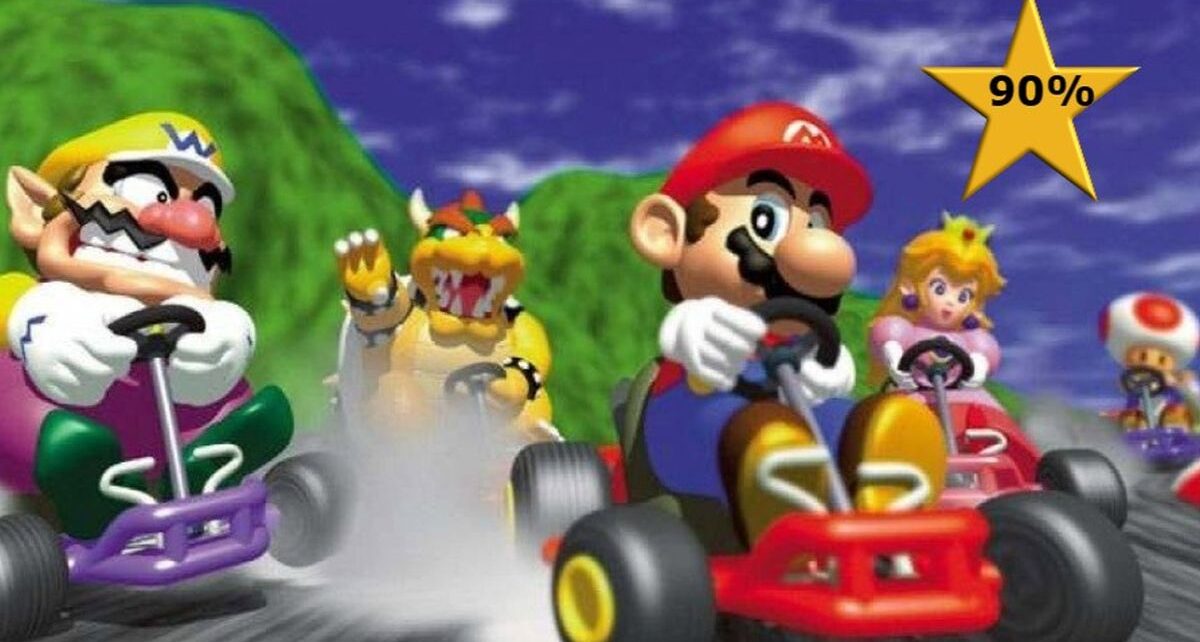
Forget your Ferraris’ – Give me a Go-kart right now!!
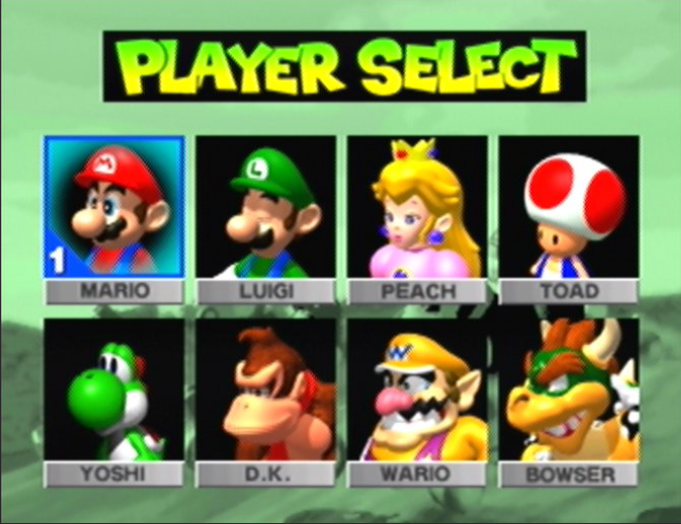
When the Super Nintendo was released, Nintendo introduced a groundbreaking game that revolutionized the gaming industry. This game, Super Mario Kart, not only created an entirely new genre but also redefined the fundamental elements of games at that time. It quickly became a sensation, captivating the hearts of countless gamers worldwide. The praise and positive feedback it received were well-deserved. Super Mario Kart exemplified a developer’s willingness to venture into uncharted territory and execute their vision flawlessly, leaving players so enthralled that they seemed to forget about any other games in existence for months after its release.
In the years that followed, numerous imitations of Mario Kart emerged, testifying to the fact that Nintendo had pioneered a new genre of gaming. While many of these imitations, rip-offs, and heavily inspired games were enjoyable and even excellent in their own right, none could match the original’s sheer brilliance…
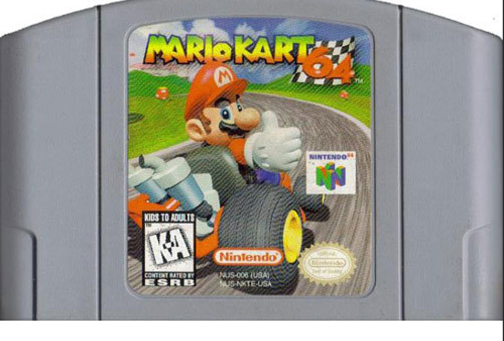
As the launch of the Nintendo 64 approached, gamers eagerly awaited the arrival of the newest Mario Kart installment, Mario Kart 64. The anticipation surrounding it was second only to that of Super Mario 64, which was undeniably the flagship game for the first generation of the N64 console. Everyone wondered whether Mario Kart 64 would live up to the exceptional standards set by its predecessor and stand the test of time as a beloved classic even years after its release.
Read on to discover the answer…
Gameplay
Mario Kart 64 offers two main gameplay modes: Time Trials and Mario GP.
The primary mode, Mario GP, provides a lot of fun. It features three difficulty levels: 50cc, 100cc, and 150cc, each progressively increasing the challenge and racing speed. You begin with the Mushroom Cup, which is relatively easy, and then move on to the more challenging Flower Cup. After conquering the Flower Cup, you unlock the Star Cup, which presents an even greater challenge. Finally, for the most skilled players, there’s the Special Cup, which is the hardest of them all and may require multiple attempts to master.
Each Cup consists of four diverse tracks, ranging from raceways and farms to beaches, deserts, highways crowded with cars, icy snowlands, jungle tracks, castles, and many more exciting locations.
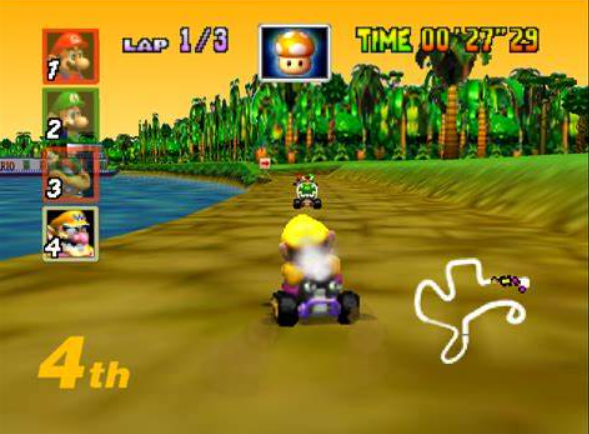
You can choose from eight different racers, including popular characters like Mario, Luigi, Yoshi, Peach, Bowser, Wario, Toad, and Donkey Kong. Each racer has unique handling characteristics, adding to the fun of completing the game with all of them and giving players reasons to have their personal favorite racers.
The beloved Time Trial mode makes a triumphant return. If you were fortunate enough to have played the SNES version of Mario Kart, you know that the Time Trial mode was one of the best features in any game. It was incredibly enjoyable, with many players spending hours attempting to shave off fractions of a second from their best lap and overall times through perfect runs. The Time Trial mode added countless hours of gameplay for the majority of players who owned the game.
In Mario Kart 64, Time Trial mode allows you to race against the clock on all single-player tracks, keeping track of your top lap times and overall best time. Nintendo has also included four ghosts for you to compete against, once you achieve fast enough times to unlock them. These ghosts add an exciting element to the mode and give you an incentive to try Time Trials on all tracks. If you have a memory card for your console, you can even save your own ghosts, showcasing impressive runs on specific tracks or revealing hidden shortcuts that result in lap times much faster than those of your friends.
The races in Mario GP are incredibly enjoyable and provide a decent challenge. However, some players may find the overall difficulty to be a bit on the easier side. Nevertheless, this is where the Time Trial mode comes in to provide an additional challenge. In races, you’ll notice that the AI opponents can sometimes appear to cheat, employing catch-up mechanisms to keep the race exciting and competitive. Despite this, it adds to the enjoyment and ensures close and thrilling races.
In Mario Kart 64, you have a wide range of weapons and items at your disposal during races, many of which have made a return from the SNES version. These include shells that can be shot at other racers, including standard shells that go in a straight line, homing shells that target opponents, and the powerful blue shell, which hits everyone in front of you, giving you a chance to catch up if you’ve fallen behind. You also have mushrooms for speed boosts, bananas to lay on the track and cause other riders to spin out, an invincibility star, and many more. These weapons add a lot of excitement and fun to the races.
Once you successfully complete Mario GP at all difficulty levels (50cc, 100cc, and 150cc), you will unlock a new title screen and gain access to Mario GP Extra. In this mode, all the courses are mirrored, providing a fresh challenge and adding significant replay value to the game.
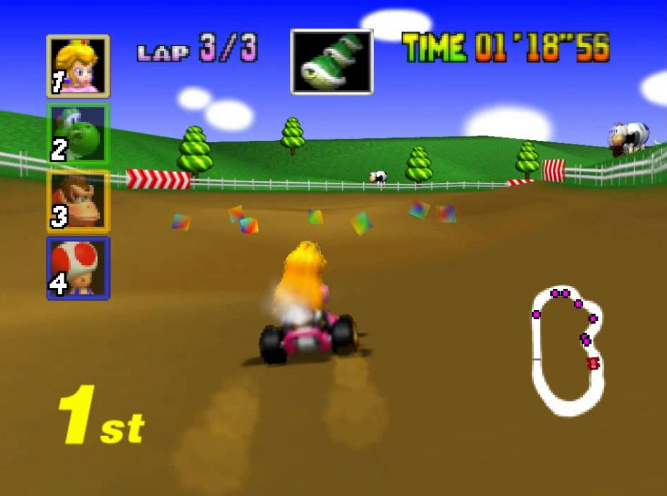
Overall, the single-player experience in Mario Kart 64 is fantastic and incredibly enjoyable. The track designs, in my opinion, are excellent, although I understand and respect those who may feel they don’t quite match the greatness of the tracks found in the SNES version. Mario GP will keep you engaged for a long time, and the Time Trial mode offers countless hours of gameplay as you strive to master your speed skills.
Graphics
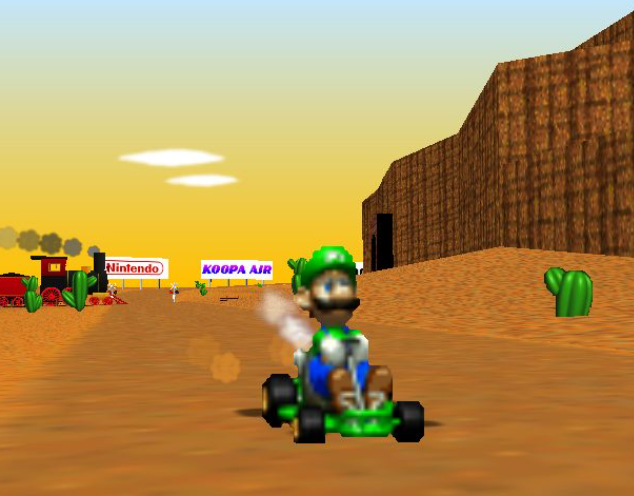
When the Nintendo 64 was first released, the graphics in Mario Kart 64 were impressive for its time. However, when compared to more recent N64 games, it may not hold up as well. This is understandable, as developers need time and experience with a console to fully utilize its graphical capabilities. The graphics in Mario Kart 64 are not ugly by any means, but they can be described as fairly nice yet somewhat bland, as expected from a first-generation title. The game utilizes basic and simple textures that serve their purpose but don’t necessarily wow the player visually. The racers themselves are composed of pre-rendered sprites rather than polygons. While there is a sprite for almost every angle of each racer, it doesn’t offer the same level of visual depth as fully rendered 3D models.
On the other hand, the tracks in Mario Kart 64 have a nice visual appeal. Nintendo has employed good design choices and textures to give each track a distinct personality and style. Whether it’s the earthy browns of Choco Mountain, the icy blues and whites of Frappe Snowland, or the vibrant green of Donkey Kong’s jungle course, the tracks have their own unique atmospheres. Additionally, Sherbet Island even features reflections on its icy surface, albeit in a basic form, which adds a nice touch.
In summary, Mario Kart 64 features graphics that are fitting for a first-generation game and are visually appealing. However, it doesn’t push the Nintendo 64 to its limits, which is understandable given the early stage of the console’s lifespan.
FX
The sound effects in Mario Kart 64 are decent. While they may not be of extremely high quality, they serve their purpose adequately. It’s important to keep in mind that this is a first-generation game, and developers are still exploring the capabilities of the new console at this early stage.
Where Mario Kart 64 truly shines in the audio department is its music. In typical Nintendo fashion, the music is incredibly catchy, well-composed, and tailored to each level. Throughout the game, you’ll hear a variety of tunes that perfectly complement the environments they are associated with. It takes true talent to create music that captures the essence of snowy landscapes, beach settings, or desert environments. The music in Mario Kart 64 may be considered basic, but in this case, it’s a positive aspect. Although the sound may not be as crisp and sharp as in many other N64 games, it still holds up pretty well and adds to the overall experience.
Multiplayer
So, you’ve conquered the Single Player mode and reached the point where shaving off even 1/100th of a second in Time Trial mode feels like a monumental achievement. But now it’s time to gather your friends, grab some caffeinated drinks or perhaps even indulge in some well-deserved adult beverages, and prepare for an epic multiplayer session of Mario Kart. Get ready to lose track of time and realize the sun is rising as you and your friends have an absolute blast with the multiplayer mode. Mario Kart 64 truly shines as an awesome multiplayer game, ranking among the best on the N64.
While the multiplayer mode may seem fairly basic, it never fails to deliver immense fun, whether playing with one, two, or three friends. It often becomes the go-to choice whenever I have friends over and we’re in the mood for some gaming action, sober or otherwise.
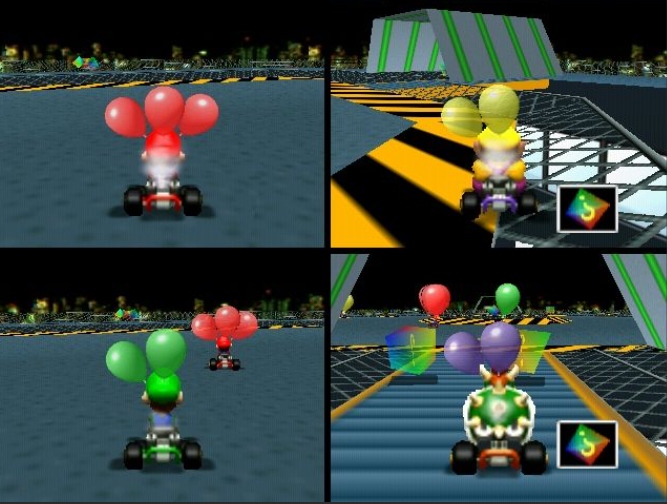
In multiplayer, you can dive into the exhilarating Mario GP, competing in all four classes across all four cups against opponents. This mode alone guarantees hours of enjoyment and friendly competition.
Additionally, the “VS” mode allows you to race against each other in all four classes and cups, adding another layer of excitement to the multiplayer experience.
However, the crown jewel of multiplayer, in my opinion, is the battle mode. It never ceases to be an absolute blast. While there are only four multiplayer arenas available, they provide more than enough excitement. The Big Donut offers a circular arena with a perilous hole in the middle, filled with hot lava. Block Fort, my personal favorite and a hit among my friends, features four blocks in each corner of the track, each with three levels that can be traversed between and around on the ground. Double Deck presents a multi-layered level, and lastly, Skyscraper provides a small, almost circular track atop a skyscraper, complete with precarious edges that can lead to a rapid descent and the loss of a balloon (life).
The multiplayer mode in Mario Kart 64 is simply an endless source of enjoyment, captivating you and your friends throughout the night. It’s top-notch stuff, but then again, would you expect anything less from the legendary Nintendo? wink
Replayability & Difficulty
Completing all the different difficulty levels in Mario Kart 64, including 50cc, 100cc, 150cc, and Extra, will undoubtedly keep you engaged for a substantial amount of time. After conquering these challenges multiple times, you’ll find yourself primarily drawn to two aspects of the game: Time Trials and multiplayer mode. Time Trials, fortunately, offer a rewarding experience that most players tend to invest numerous hours into. However, it’s worth mentioning that not everyone may find the tracks enjoyable enough to repeatedly race on.
In my personal experience, I played Mario Kart 64 daily for approximately three months, even after fully completing the game and starting fresh. I can’t guarantee that everyone will derive the same level of enjoyment, but I certainly found the game to have significant replay value. Even years later, I occasionally dust off the cartridge and indulge in a race or two.
Mario Kart 64 can be considered a relatively easy game. Personally, I didn’t encounter too many difficulties while playing the single-player mode. However, this ease of gameplay doesn’t pose a significant issue for me. Although it leans towards the easier side, it doesn’t mean that you can breeze through the game in a matter of minutes when you first start playing. It still requires time and practice to truly master. Perhaps it could have offered a bit more challenge, but in the end, I have no major complaints in that regard.
The Cups
Mushroom Cup
Decent Cup. Luigi Raceway, unfortunately, falls short in this cup as the weakest track. It lacks excitement and uniqueness, making it rather boring and bland. However, it does redeem itself with an excellent music selection, adding a touch of enjoyment to the overall experience.
Moving on to Moo Moo Farm, it fares slightly better. It boasts great music and a pleasant theme, but it remains a simple and somewhat unremarkable track that doesn’t quite reach the heights of greatness.
Koopa Troopa Beach takes the second spot in this cup and deserves recognition. With its enjoyable music, captivating theme, and a balance between relaxation and racing fun, it proves to be a solid track. Its simplicity adds to the overall enjoyment, and let’s not forget that fantastic shortcut that adds an extra layer of excitement.
My personal favorite in this cup is Kalimari Desert, a track that stands out as a pretty good addition. Its soundtrack creates a relaxing atmosphere, and it distinguishes itself from other desert tracks with its unique gimmick of having a train that occasionally interrupts your race. This distinctive feature adds a touch of originality to the track and enhances the overall experience.
In conclusion, this cup offers a decent selection of tracks. While Luigi Raceway disappoints with its lackluster design, Moo Moo Farm is acceptable without being outstanding. On the other hand, Koopa Troopa Beach and Kalimari Desert shine as great tracks, providing an enjoyable racing experience. However, it’s important to note that there are even better tracks to come in the game.
Flower Cup
The Flower Cup in Mario Kart 64 offers a solid lineup of tracks. Personally, my favorite track in this cup is Toad’s Turnpike. I’ve always had a fondness for city and traffic-themed courses, and this track set the precedent for such courses. While it may be considered somewhat monotonous, the challenge of navigating through the relentless flow of cars adds an exciting element, especially when playing in mirror mode. It’s quite a demanding track and could have been better placed in Flower Cup 4 instead of Flower Cup 1.
Frappe Snowland often goes unnoticed, but it deserves more recognition. With its excellent music and well-executed snow theme, it provides an enjoyable racing experience. Unlike some other tracks, it strikes a balance and doesn’t rely excessively on slippery ice mechanics. It stands out as one of the better tracks in the N64 version.
Choco Mountain is another track that tends to be underrated. While some may argue it’s a bit plain, I personally find it fun to race on. The glitchy and bothersome walls aside, the track’s music and overall design contribute to an enjoyable experience. It’s definitely one of the more enjoyable tracks in the N64 version.
Mario Raceway can be seen as an improved version of Luigi Raceway. It features the same excellent music but offers a more engaging track layout. Although it can be somewhat uneventful, as expected of a basic track, it still manages to provide more entertainment than Luigi Raceway. However, it may not have deserved its placement as Flower Cup 4.
Overall, the Flower Cup presents a strong collection of tracks. Mario Raceway is relatively average, while Frappe Snowland, Choco Mountain, and Toad’s Turnpike shine as great tracks, with Toad’s Turnpike standing out as my personal favorite in this cup.
Star Cup
This cup slightly surpasses the Flower Cup as one of the best. Wario Stadium, in particular, stands out as one of my favorite tracks on the N64. It’s a lengthy course with rocking music, capturing the essence of Wario’s theme. It’s a classic track that hasn’t been remade yet, adding to its appeal. On the other hand, Sherbet Land falls short. The slippery ice mechanics and pesky penguins make it feel like a subpar version of Frappe Snowland. However, Royal Raceway brings back the excitement with its well-designed track and the thrilling Easter egg that allows you to explore the castle. As the finale, Bowser’s Castle doesn’t disappoint either. While it could have been reserved for the Special Cup, it still delivers a fun experience. The intimidating music, challenging turns, and relentless pursuit by the Thwomps add to the excitement. Overall, this cup is great, with Sherbet Land being the weak link, while Wario Stadium and Bowser’s Castle shine as some of the best tracks on the N64.
Special Cup
The Special Cup offers a fantastic selection of tracks. DK’s Jungle Parkway stands out as one of the better N64 tracks, despite its somewhat silly and repetitive 15-second soundtrack. The track itself is enjoyable, with a nice atmosphere. Yoshi Valley, on the other hand, is one of the best tracks on the N64. Its unique gimmick of multiple paths adds a layer of excitement as you experiment and choose different routes. Banshee Boardwalk is another standout track. It creates a creepy ghostly ambiance and is often underrated. The fast-paced gameplay and great music make it a thrilling experience. Unfortunately, Rainbow Road falls short as the finale. Although it holds the record as the longest Mario Kart track, it lacks challenge due to the extensive guardrails throughout. The upbeat music is enjoyable, but the track itself fails to deliver. Overall, this cup is my favorite in Mario Kart 64, with DK Jungle Parkway, Yoshi Valley, and Banshee Boardwalk truly shining. However, Rainbow Road disappoints as a lacklustre conclusion.
Overall
Make the purchase. The game’s initial price was definitely worth it, and now it can be found at a much lower cost. It’s highly recommended to get yourself a copy of this game. Even if you don’t currently own an N64, it’s a compelling reason to consider getting a pre-owned console along with a few games.
In conclusion, Mario Kart 64 is yet another Nintendo Classic. With its fantastic gameplay and impressive multiplayer mode, it’s a definite must-have. Unless you have an aversion to kart racing games in general, there’s no reason why you shouldn’t add this gem to your collection.
BREAKDOWN:
GRAPHICS: 79%
MUSIC/SFX: 93%
PLAYABLITY: 92%
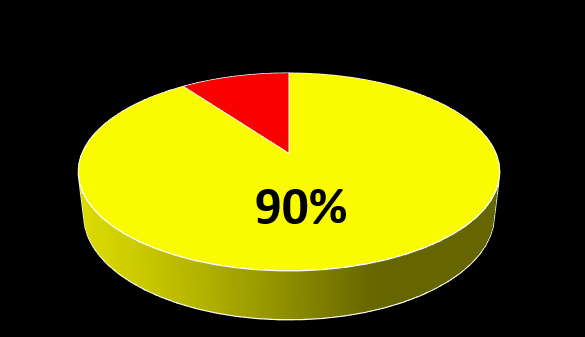
OVERALL: 90%
Platform: Nintendo 64
Genre: Racing-Arcade-Automobile
Developer/Publisher: Nintendo
Release: 1997
Franchises: Mario Kart