

Totally Smooth, Extremely Stylish, Unequivocally Great…….
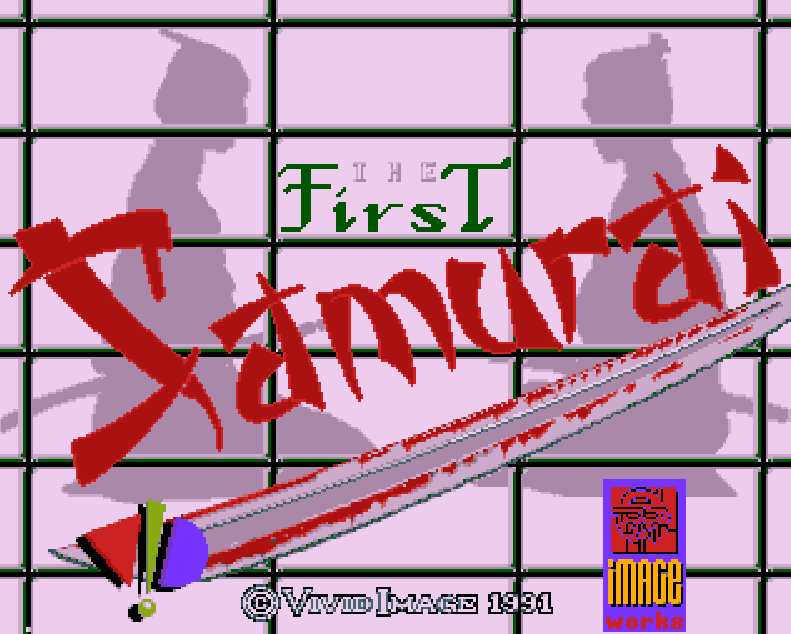
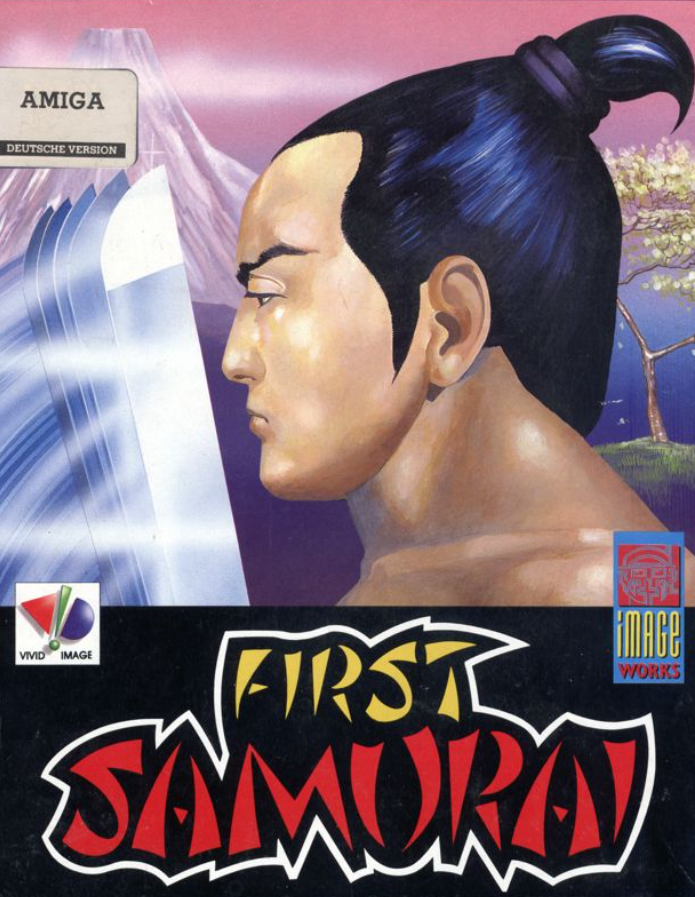
Churning through the backlog of Amiga classics, as I have some decent time on my hands, brought this little number to the party. So, let’s set the scene and get into the review.
In the peaceful countryside of ancient Japan, Lord Aura and his young samurai were going about their grim but familiar business of collecting taxes from the local villagers when an uneasy feeling began to set in. Something was wrong. Very wrong.
This is no moral fable about the rights and wrongs of feudal rule, though you might be forgiven for thinking so. What followed had nothing to do with politics and everything to do with sheer evil. From the mountains descended the Demon King, a malevolent sorcerer whose arrival spelled instant catastrophe. With terrifying magical power, he reduced the village to ashes and slaughtered its inhabitants without mercy.
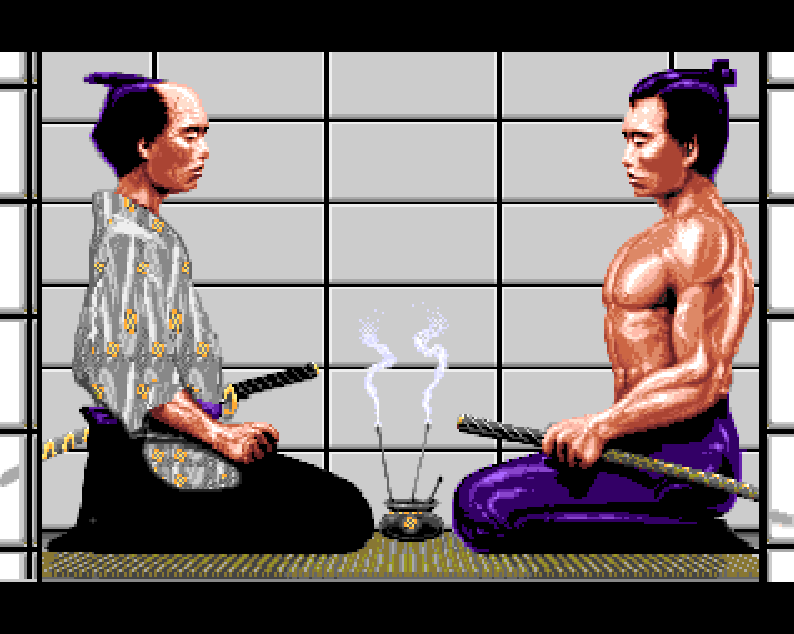
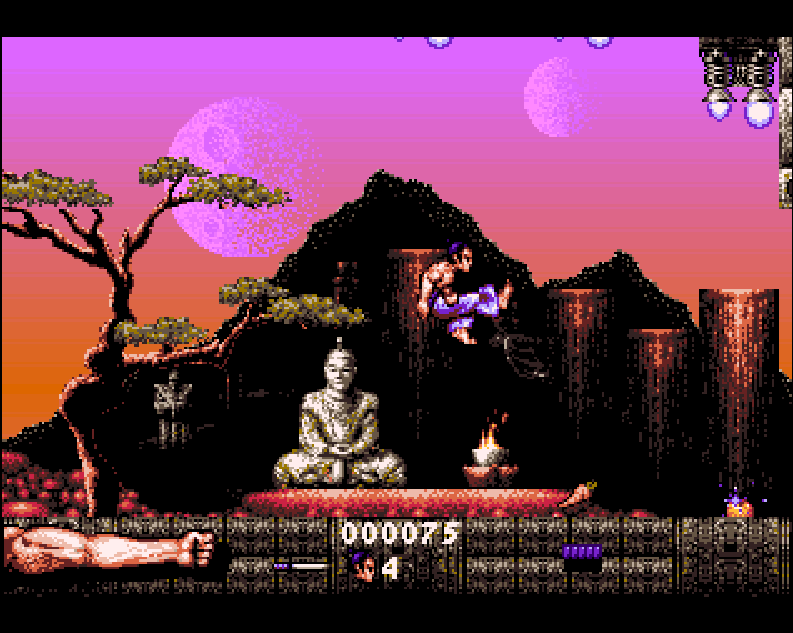
Having destroyed everything in his path, the Demon King turned his attention to Lord Aura—and struck him down. The young samurai, untrained in the ways of magic and helpless against such overwhelming power, could only watch. Mockingly spared, he was left alive to spread word of the Demon King’s brutality. It would prove to be a fatal mistake.
Swearing vengeance for the man who had been like a father to him, the samurai sought the aid of Wizard Mage, a powerful sorcerer who soon returned to challenge the Demon King. Their titanic clash lit the mountain skies with fire and lightning, but when defeat loomed, the Demon King fled—vanishing into the future.
Peace returned, but the samurai’s soul could not rest. To truly end the threat, he would have to follow his enemy through time. Under Wizard Mage’s guidance, years of intense training followed—mastering combat, magic, and the secrets of time travel itself. When the moment came, the samurai set off for 24th-century Japan, determined to capture the Demon King and drag him back to face justice.


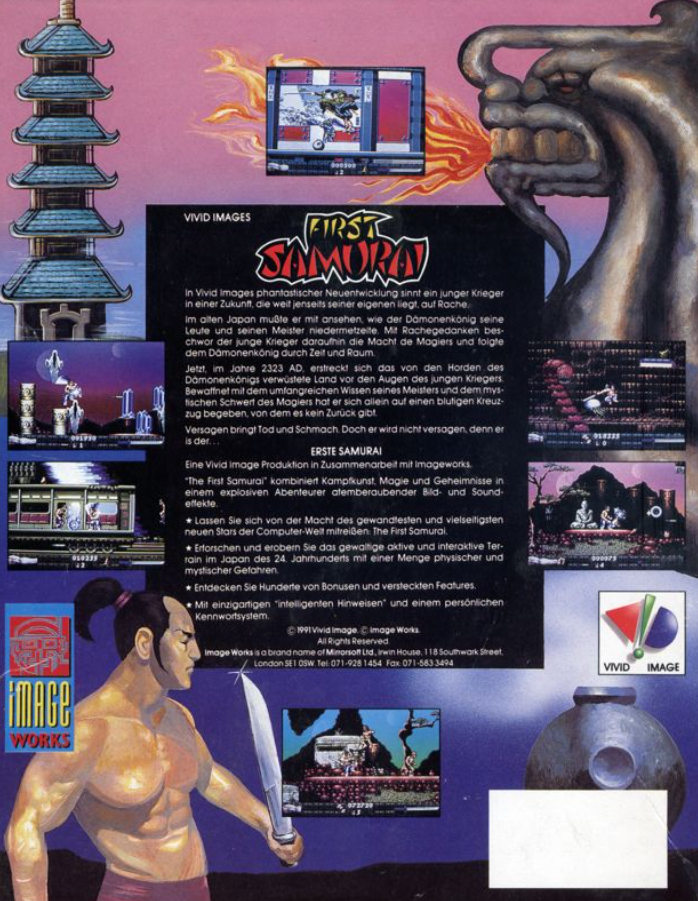
What follows is ten levels of fast-paced, stylish beat-’em-up action. Along the way, the samurai gathers magical energy to enhance his abilities. Two key power meters are displayed at the bottom of the screen: physical strength, represented by an arm icon, and spiritual strength, shown as a sword. Physical power drains when hits are taken but can be restored with food, while spiritual energy governs the use of the sword itself. When it runs dry, the blade becomes unusable until enough energy is regained by defeating enemies.
Additional weapons—daggers, bombs, and grenades—can be collected, though they’re temporary and must be used wisely. Controls are exceptionally fluid, with combat moves triggered by holding the fire button and directing the joystick. This system allows for effortless chaining of attacks, often producing spectacular mid-air combos that feel as impressive as they look—even when performed by accident.
Progressing through each level also requires collecting special items, hidden throughout the environment, as a nod to Wizard Mage’s guidance. Another crucial object is the bell, which can only be used when spiritual energy is sufficiently high. Ringing it summons Wizard Mage to eliminate otherwise impassable obstacles. If this mechanic isn’t immediately obvious, subtle visual hints soon guide the player in the right direction.
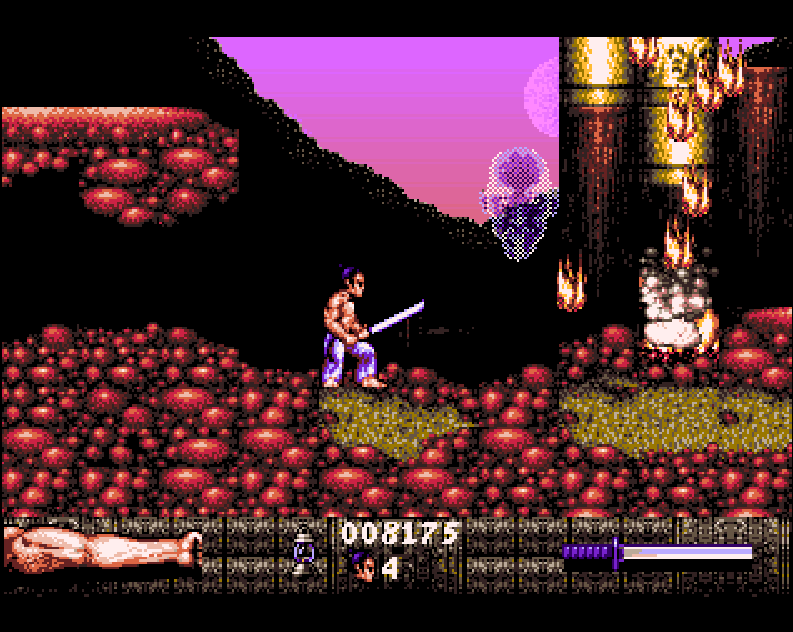
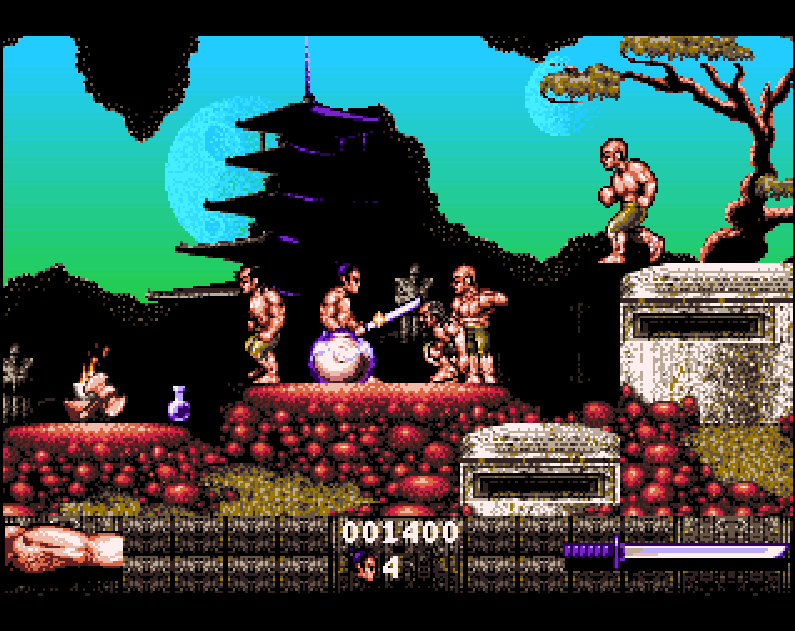
As the journey continues, enemies grow more inventive and aggressive, demanding sharper reflexes and smarter use of abilities. By the later stages, balancing combat with objective-hunting becomes a thrilling challenge.
Even before the gameplay sinks its hooks in, the presentation makes a powerful first impression. The visuals are stunning: beautifully detailed backgrounds, expressive character sprites, and an intro sequence that feels straight out of an animated epic. Sound design is just as strong. Sword strikes are punctuated by rising orchestral stabs that give combos a dramatic, almost musical rhythm, while collecting treasures triggers triumphant choral samples that genuinely reward success.
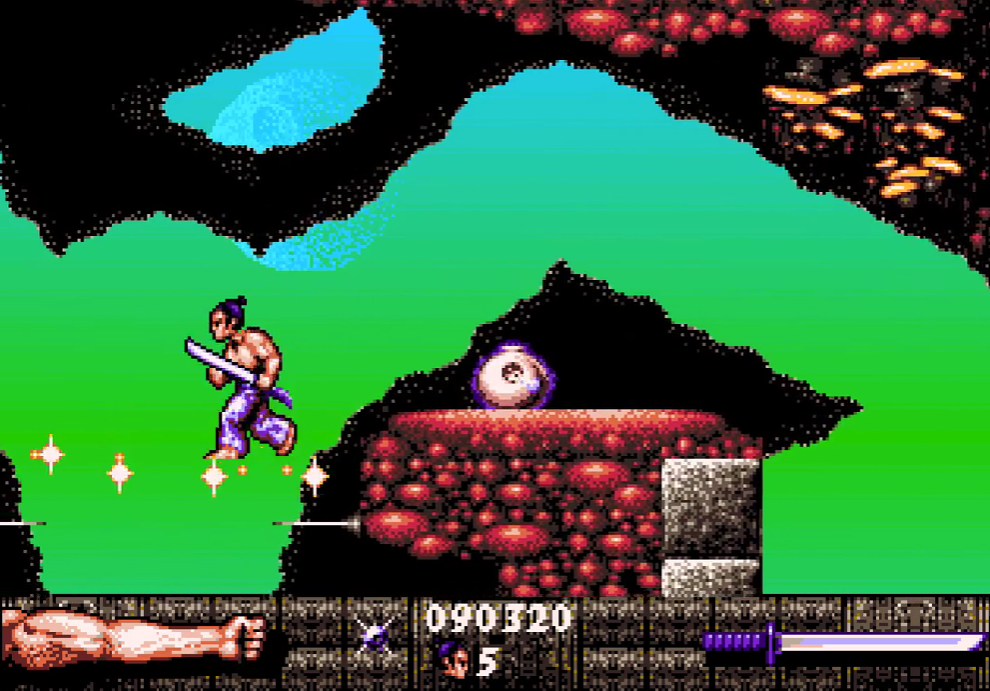
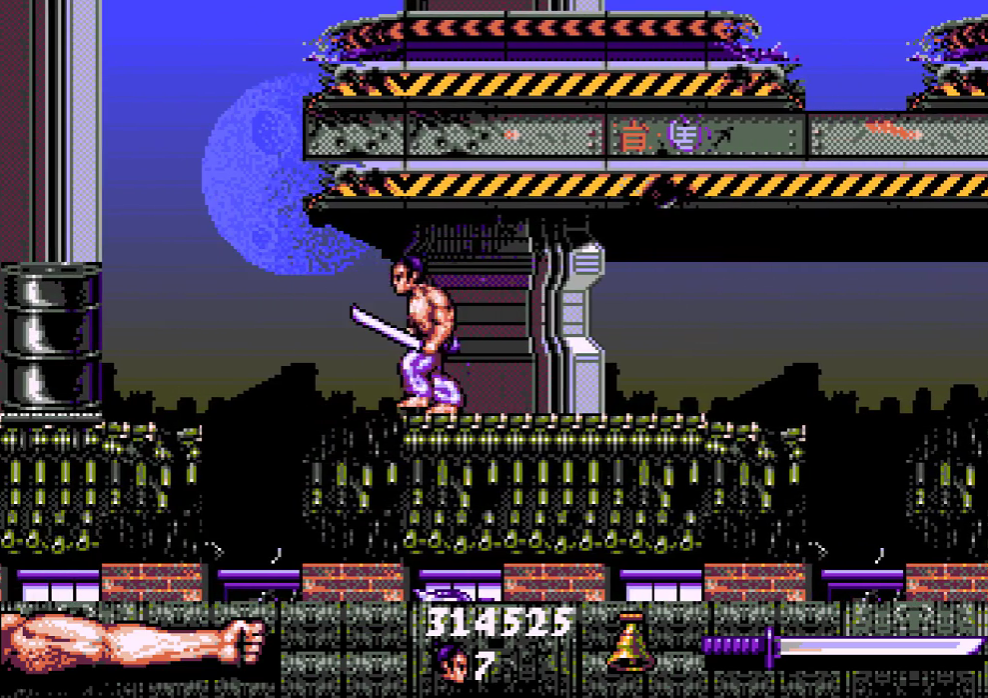
Speech and sound effects add personality too—none more memorable than the hero’s anguished cry when his sword vanishes due to low energy. Together, these elements create a compelling, addictive experience that constantly urges you forward.
Released at a premium price, the game justified every penny. Compared to contemporaries like Barbarian II, which leaned more toward careful exploration, this title embraced speed, aggression, and pure action. As a result, it stands as one of the finest scrolling beat-’em-ups on the Amiga—and arguably one of its absolute best.
GRAPHICS: 91%
MUSIC/SFX: 92%
PLAYABLITY: 95%
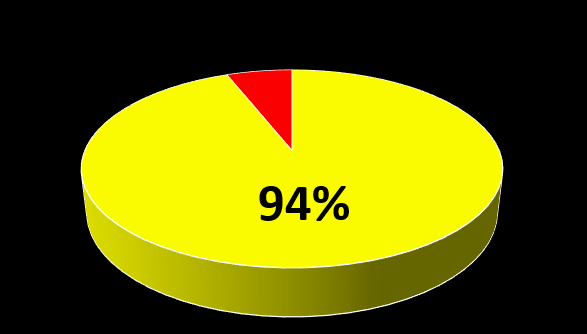
OVERALL: 94%
Platform: Amiga
Genre: Action – Platformer – 2D
Developer/ Publisher: Vivid Image / Imageworks
Release: November 1991
Franchise: Numerai Samurai



Thanks for the lovely review and the 94% rating, much appreciated. It is one of our best games with many fond memories. In fact, I share many intriguing details about the development of the game in my book, Life Is A Game. I hope you get to read it. 🙏
You were on the Image Works team? That’s amazing, and thank you for the comments on our review. You made some amazing games for the Amiga, and I remember loving them all. We will review more of them in the future as we go through our retro gaming and also give a shout out mention to you on the upcoming reviews.