For a century, Disney has been synonymous with enchantment, consistently infusing magic into every movie they’ve crafted. This century-long legacy also translates into a hundred years of delivering that same enchantment in their cherished Christmas movies.
Although Disney typically unveils their non-Christmas-themed movies around Thanksgiving, the holiday season sees the release of their Christmas films on television, video, or, in contemporary times, Disney+. This dual offering ensures that families, or even Disney enthusiasts without families, can revel in the joy and create lasting memories during the festive season. Here, we present the top 10 Disney Christmas movies to add a touch of Disney magic to your holiday celebrations this year.
The Nightmare Before Christmas (1993)
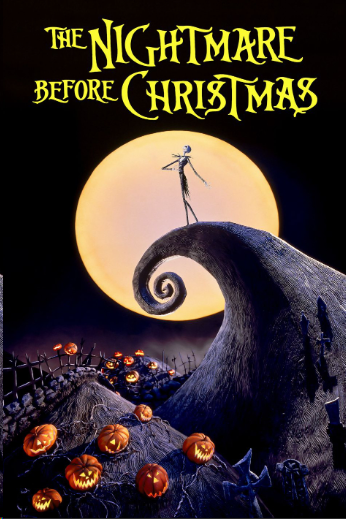
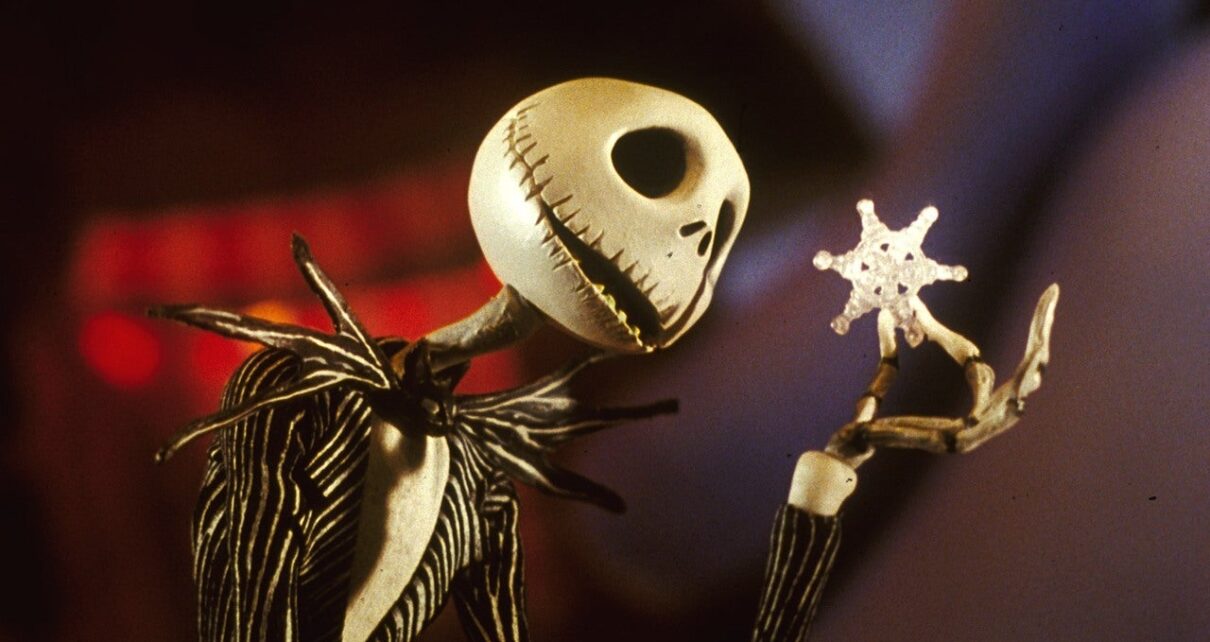
Adapted from a three-page poem penned by Tim Burton in 1982 and helmed by Henry Selick, despite Burton’s prominent association, The Nightmare Before Christmas stands as the quintessential holiday film that grants permission to blend Halloween with Christmas, as Blink-182 once harmonized (thanks to Travis Barker). The narrative unfolds in Halloween Town, where the Pumpkin King, Jack Skellington, wearies of the routine and stumbles upon Christmas Town. Eager to impart his own eerie touch to the festive season, Jack inadvertently jeopardizes Santa Claus’s well-being in the process.
Drawing thematic parallels to Dr. Seuss’ How the Grinch Stole Christmas, The Nightmare Before Christmas distinguishes itself by intertwining the yuletide holiday with Halloween, driven by Jack’s sheer boredom. In contrast, the Grinch aimed to abolish Christmas due to its perceived commercialization and materialism. Despite initial concerns about its suitability for children, Disney released the film under the Touchstone Pictures banner. Over time, it has evolved into a massive cult classic, prompting a 2006 re-release under the Walt Disney Pictures label and the creation of a popular merchandise line at Hot Topic.
The Santa Clause (1994)
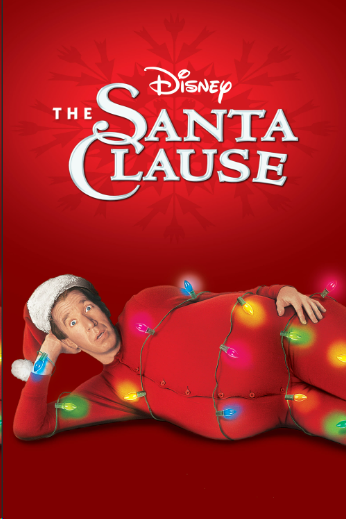
In a departure from Jack Skellington’s misadventures, divorced father and marketing director Scott Calvin (played by Tim Allen) inadvertently becomes the cause of Santa’s demise. Startling Santa, Scott unintentionally triggers a fatal fall off the roof. Upon donning the iconic red suit, he finds himself magically transported to the North Pole. The elves elucidate that, due to a legal technicality known as “The Santa Clause,” by wearing the suit, Scott is bound to assume the duties and responsibilities of the late St. Nick. This revelation forms the basis of the movie’s title, emphasizing the obligatory transition into Santa’s role by the next Christmas.
The notion of becoming the new Santa Claus unfolds as anything but a fantastical dream for Scott. Undergoing inexplicable changes, he gains a considerable amount of weight and sprouts a white beard. Struggling to convince his loved ones, including his son Charlie, that he is the new Santa Claus becomes a central theme.
The Santa Clause underscores the idea that while children may fervently believe in Santa Claus, anyone can step into the role to perpetuate that belief, provided they earnestly strive to do so. The film marked a significant debut for Tim Allen and spawned two sequels, along with a Disney+ series titled The Santa Clauses.
Mickey’s Magical Christmas: Snowed in at the House of Mouse (2001)
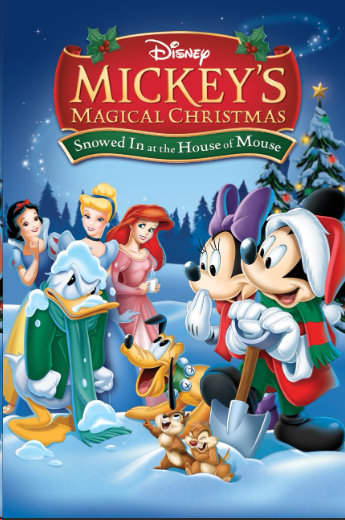
Set against the backdrop of the second season of House of Mouse (unfortunately still absent from Disney+ for reasons that perplex even this author), Mickey and his friends, including a begrudging Donald, organize a cost-free Christmas celebration at the eponymous dinner club. The impromptu festivity arises due to a snowstorm trapping all the Disney animated guests indoors. In an effort to maintain holiday cheer, the gang presents four Christmas-themed cartoons.
The lineup includes a segment where Donald inadvertently wrecks the snowman crafted by his nephews for a contest, the timeless cartoon of Pluto chasing Chip and Dale away from Mickey’s Christmas tree, Mickey’s interpretation of The Nutcracker featuring a rock version of Tchaikovsky’s Nutcracker Suite, and Mickey’s Christmas Carol. Similar to Kermit’s role mentioned earlier, Mickey assumes a supporting character alongside Scrooge McDuck’s portrayal of… Scrooge.
Mickey’s Magical Christmas: Snowed in at the House of Mouse stands as a prime example of holiday plans unfolding unexpectedly, prompting the characters to make the most of their circumstances despite challenging situations. It imparts a valuable lesson applicable not only during the winter holidays but also throughout the year, emphasizing resilience and adaptability in the face of unforeseen events.
Beauty and the Beast: The Enchanted Christmas (1997)
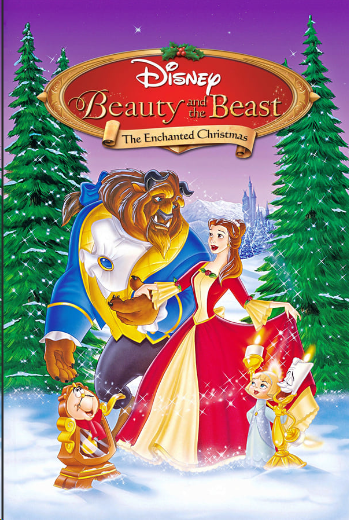
Beauty and the Beast: The Enchanted Christmas serves as a direct continuation of Beauty and the Beast, picking up immediately after Beast rescues Belle from the wolves. In the current timeline, the humanized Mrs. Potts, along with her son Chip, Lumiere, Cogsworth, and the other enchanted servants, recounts the tale of how Belle thwarted Beast’s outright ban on Christmas. This ban was imposed due to the curse affecting him and his servants, initiated on Christmas Eve. As Belle endeavors to uplift Beast’s holiday spirits by introducing him to ice skating and adorning the castle, Forte, the pipe organ, strives to sabotage their emerging connection through any means necessary.
While it may not rank as the most exceptional sequel to one of the paramount animated films of the Disney Renaissance, Beauty and the Beast: The Enchanted Christmas effectively delves into Beast’s predicament, offering viewers additional insights. The narrative imparts a valuable lesson about letting go of the past and finding happiness regardless of the circumstances. Additionally, the casting choice of Tim Curry as the scheming pipe organ adds a touch of brilliance to the film.
Mickey’s Once Upon a Christmas (1999)
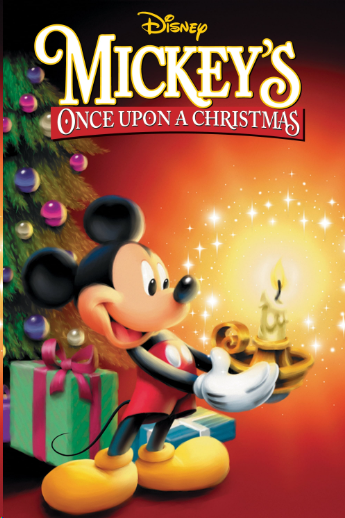
While not adhering strictly to the conventional Christmas movie formula, Mickey’s Once Upon a Christmas is a compilation of three short films featuring Mickey Mouse and his companions, all bundled into one ultimate Disney-themed Christmas package. The anthology includes Donald Duck and his nephews Huey, Dewey, and Louie experiencing Christmas Day repetitively until the boys rectify their mistakes; Goofy’s attempts to bring joy to his tween son Max in events preceding Goof Troop and A Goofy Movie; and Mickey and Minnie’s diligent efforts to gift each other precisely what the other desires in their adaptation of O. Henry’s 1905 short story, The Gift of the Magic.
Serving as Disney’s final animated Christmas project leading up to the new millennium, Mickey’s Once Upon a Christmas stands as a memorable direct-to-DVD film. It imparts positive messages of love, compassion, and the joy of giving to the children who grew up in the 90s and 2000s. These messages, cherished by fans who have transitioned into Disney adults, can now be passed down to their own children. It’s an entertaining animated delight suitable for the entire family to enjoy during cosy days at home, especially when snowed in.
The Muppet Christmas Carol (1992)
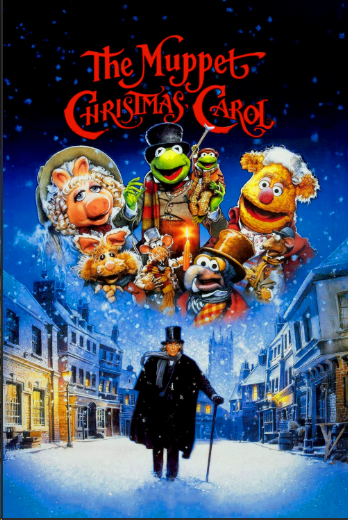
The Muppet Christmas Carol offers a whimsical and musical interpretation of Charles Dickens’ timeless tale, with a delightful blend of humor and drama, notably featuring Gonzo as the author and narrator. In a departure from the usual, Kermit takes on the role of Bob Cratchit, while Michael Caine portrays the cold-hearted and avaricious Ebeneezer Scrooge. The narrative follows Scrooge’s transformative journey as he is guided through his past, present, and future by the Ghosts of Christmas, all set against the backdrop of the Muppets’ entertaining musical performances on Christmas Eve.
Collaborating under Walt Disney Pictures and Jim Henson Productions, the creators exercised creative freedom to infuse A Christmas Carol with the distinctive Muppet charm while remaining faithful to the original storyline. The film, dedicated to the memory of Jim Henson and puppeteer Richard Hunt, who both passed away during the movie’s production, beautifully captures the essence of the classic tale.
The Ultimate Christmas Present (2000)
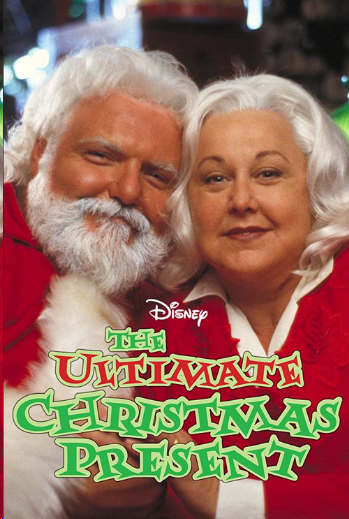
For those residing in regions where snow is a rare holiday occurrence, The Ultimate Christmas Present emerges as the ideal Disney movie. This Disney Channel Original Movie follows the escapades of two teenage girls, Allie and Sam (the latter portrayed by the budding Brenda Song), who stumble upon a weather machine in the woods. Unaware that the device belongs to Santa Claus, they decide to use it to create a snowstorm in Los Angeles, successfully evading school. However, the situation spirals out of control, leading to the snowstorm spreading to San Francisco and prompting Santa to intervene and regain control of the weather machine.
The Ultimate Christmas Present represents Disney Channel’s lighthearted attempt to connect with viewers in areas devoid of winter snow, offering a whimsical narrative that still resonates with those who grew up watching it. It serves as an enjoyable Christmas movie that can be shared with a new generation, especially for those now residing in snowy regions. Notably, the film bears some resemblances to a particular Jimmy Neutron episode.
Winnie the Pooh: A Very Merry Pooh Year
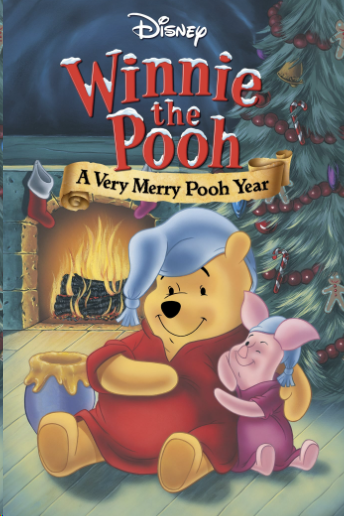
A Very Merry Pooh Year invites audiences to immerse themselves in the festivities of both Christmas and New Year’s simultaneously, with the latter holiday unfolding in a manner reminiscent of Freaky Friday. The initial segment of the movie features Rabbit narrating the story of how the inhabitants of Hundred Acre Wood almost miss receiving their presents, a retelling of Winnie the Pooh and Christmas Too. The Freaky Friday-inspired twist occurs in the second half, where Pooh and his friends, aiming to fulfill a New Year’s resolution and prevent Rabbit from departing due to their usual antics, undergo a peculiar transformation in behavior. The results are comically bizarre: personalities are swapped, with Pooh adopting a depressed demeanor akin to Eeyore, Eeyore developing a fondness for honey and a more positive outlook like Pooh, and Piglet becoming energetic and exuberant like Tigger, who, in turn, becomes anxious and paranoid like Piglet, even resorting to tying his tail around a rock to curb his bouncing tendencies.
A Very Merry Pooh Year playfully suggests that not all New Year’s resolutions are worth pursuing, emphasizing the importance of prioritizing healthy habits like balanced eating and regular exercise instead.
Godmothered (2020)
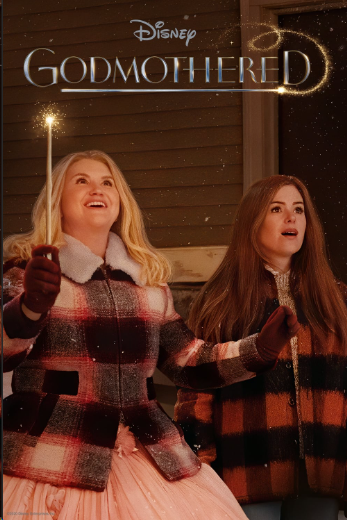
In the whimsical world of Godmothered, where fairy godmothers are not just guardians of dreams but also guardians of their own job security, we meet Eleanor, a budding fairy godmother-in-training. Distraught by the decline of her cherished profession, Eleanor stumbles upon a heartfelt letter from a 10-year-old girl named Mackenzie in need. Determined to fulfill her fairy godmother duties, Eleanor embarks on a journey to find Mackenzie, only to discover that the once-young girl is now a 40-year-old single mother of two in Boston, having abandoned the notion of “Happily Ever After” after the loss of her husband. Despite Eleanor’s less-than-perfect magical abilities, she is committed to giving Mackenzie a happiness makeover before risking the forfeiture of her fairy godmother powers, just in time for the festive holiday season.
While Godmothered may not initially scream “Christmas movie,” its narrative unfolds during the yuletide season, with Mackenzie’s daughter Jane gearing up for a special performance at a local Christmas festival. This debate about the movie’s holiday categorization parallels the perennial discussion surrounding whether Die Hard qualifies as a true Christmas film – an argument it surprisingly wins.
I’ll Be Home For Christmas (1998)
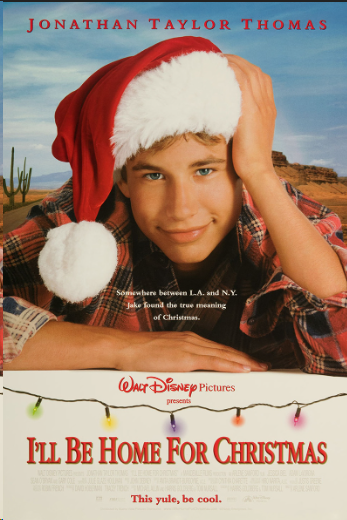
In the holiday escapade of I’ll Be Home For Christmas, college student Jake (Jonathan Taylor Thomas) finds himself entangled in a mad dash from his prestigious Los Angeles college to his family’s residence in Larchmont, New York. His objective: to make it in time for Christmas dinner and claim his father’s coveted Porsche. The storyline takes a chaotic turn when Jake, impulsively trading his airline ticket for a jaunt to Cabo San Lucas, becomes embroiled in a scheme to help a trio of jocks cheat on their midterm exams. However, his misadventures take a festive twist when he’s left stranded in the desert, adorned in a Santa Claus suit, hat, and a beard that’s mysteriously glued to his body.
With a mere three days until Christmas Eve, Jake navigates through a series of comical escapades, leaving a trail of changed lives in his wake. While the plot of I’ll Be Home For Christmas may echo the lighthearted scripts of ’50s sitcoms, its ’90s Disney-infused zaniness imparts a crucial message: the true essence of the holiday lies in spreading Christmas joy and goodwill, irrespective of the challenges that life throws your way – a sentiment that eclipses the significance of any material present.