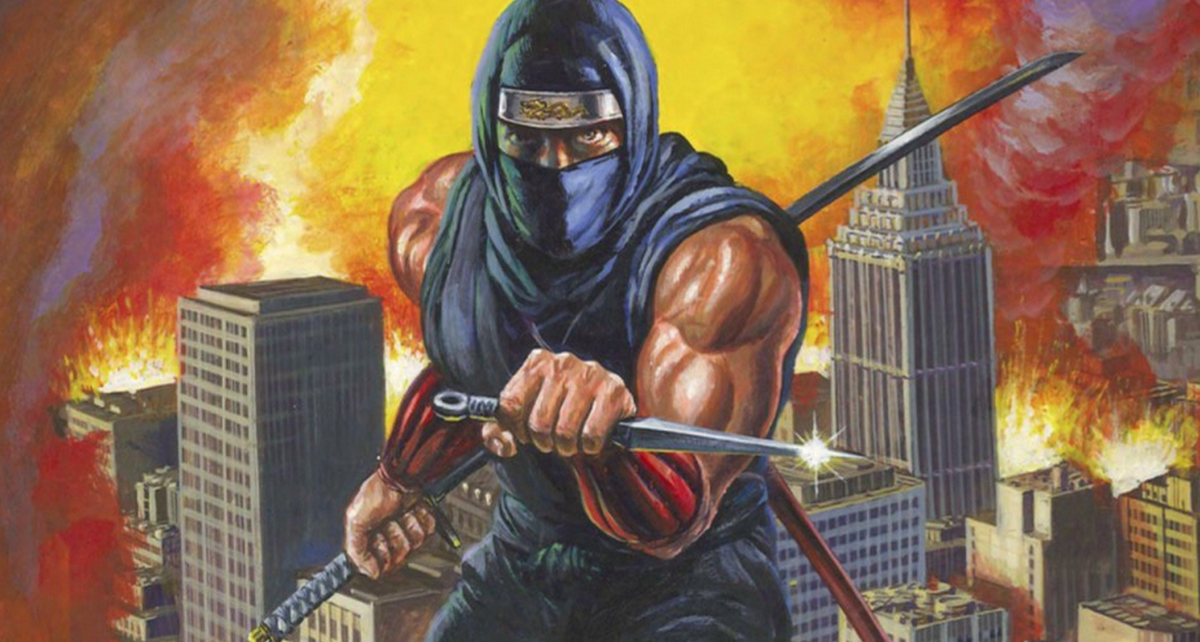
An untapped Gem of a game

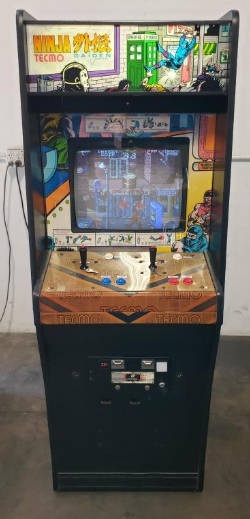
Ah, what a nostalgia trip! Let’s talk about the classic Ninja Gaiden, but not the NES trilogy this time. I’m referring to the often overlooked gem, Arcade Gaiden. I know not many people remember or have heard of this game, but it holds a special place in my heart alongside other arcade favorites like X-Men, Mortal Kombat, and Shinobi. As one of my earliest arcade gaming experiences at a tender age, this game left a lasting impression on me. But enough about my sentimental childhood memories; let’s dive into the game itself.
In Arcade Gaiden, you assume the role of Ryu Hayabusa, the skilled ninja from the Dragon Clan. While there isn’t a defined storyline per se, if you play the game from start to finish, you can piece together that Ryu embarks on a journey from Japan to America to thwart a street gang’s attempt to resurrect a powerful and mysterious demon/god/being. But let’s be honest, riveting storytelling isn’t the main focus of arcade beat ’em ups (that’s what RPGs and Metal Gear Solid are for, right?). Yes, you read that correctly. Unlike the NES platformer, this is a side-scrolling beat ’em up akin to Double Dragon or Final Fight, with added platforming elements and neat twists.

At the heart of the gameplay, your primary weapons are your fists and feet, not the iconic Dragon Sword. Don’t worry, the Katana still makes an appearance, but we’ll get to that later. The controls consist of three buttons: attack, jump, and a unique hanging button located on top of the joystick, which I’ll explain shortly. You have your basic combo of spin kicks and punches, along with two types of jumps. There’s the standard front or backflip and a super jump that propels you straight to the top of the screen, perfect for reaching those elusive ledges. Pressing the attack button while flipping over an enemy executes a neck breaker throw. An ingenious touch is that if you run up to a wall, you automatically perform a rebounding backflip off it, allowing you to surprise pursuing enemies. By pressing the third button on the joystick while beneath pipes, street signs, or poles, you can hang from them. While hanging, you can kick enemies, perform flips off the pole, or even climb hand over hand in certain situations, which is sometimes necessary to progress through the levels.
Obtaining items in the game involves hurling enemies into various background objects such as telephone booths, street signs, popcorn stands, and dumpsters. These items come in different forms, including health replenishment, points, extra lives, and the powerful Dragon Sword. Once you acquire the Dragon Sword, your regular spin kick combo is replaced by an unstoppable sword combo, allowing you to effortlessly decimate your opponents. Take a backseat and dominate the opposition as they come. However, this power is temporary, as the sword will be taken away either upon losing a life or after a certain number of sword kills.

The gameplay of the game is highly responsive and fast-paced, with moves that are easy to execute. The only minor challenge lies in mastering the hanging button, which can be easily overcome with about thirty minutes of practice. The main drawback of the gameplay is the extremely high difficulty level. This game is far from an easy playthrough due to the excessively cheap and unfair behavior of the enemies. Ironically, the bosses themselves are not too challenging in terms of health, except for the third level bosses who tend to team up and are difficult to hit. The final boss, on the other hand, possesses an excessive amount of health, making it capable of draining your entire life bar with a single hit.
One of the main highlights and my personal favorite aspect of this game lies in its unique character and level designs. The visual style of the game is incredibly original and has a strong 80’s vibe that sets it apart from anything I’ve seen before or since. The artwork depicting Ryu has a distinct Todd McFarlane-esque flair, especially evident in the level opening and continue screens. The enemy designs are wonderfully eccentric and imaginative. From the combination of football players and Jason Voorhees in the form of basic thugs to rival ninjas, McFarlane-inspired mermen, fish-lipped sumo wrestlers, WWF wrestlers, and circus acrobats, the game presents a vast array of eclectic adversaries. The creativity doesn’t stop there, as the game takes you through a variety of mind-bending locations. From slums to traffic-clogged highways, neon-lit Las Vegas casino rooftops, picturesque mountain wilderness adorned with billboards and street signs (an interesting choice indeed), a train yard perched high on a cliff, and a gothic mansion, each level showcases distinct and captivating designs. It’s truly remarkable that this game didn’t receive more attention and didn’t even have a home version. Given the capabilities of the Super NES, it could have easily accommodated the game, possibly even with room for additional levels (since the game only had six). Nevertheless, such is life.
Sadly, this game is now a rare gem in arcades, possibly even nonexistent. I haven’t come across it in arcades since I was about 10 years old. Therefore, I highly recommend seeking out a ROM of the game as soon as possible. It’s a game that begs to be experienced due to its psychedelic and enjoyable nature. However, I must advise against playing it while intoxicated, as it might cause your brain to explode.
BREAKDOWN:
GRAPHICS: 79%
MUSIC/SFX: 74%
PLAYABLITY: 82%
OVERALL: 80%

Platform: Arcade Games
Genre: Action-Platformer-2D
Developer/Publisher: Tecmo
Release: 1989
Franchises: Ninja Gaiden, Arcade Archives