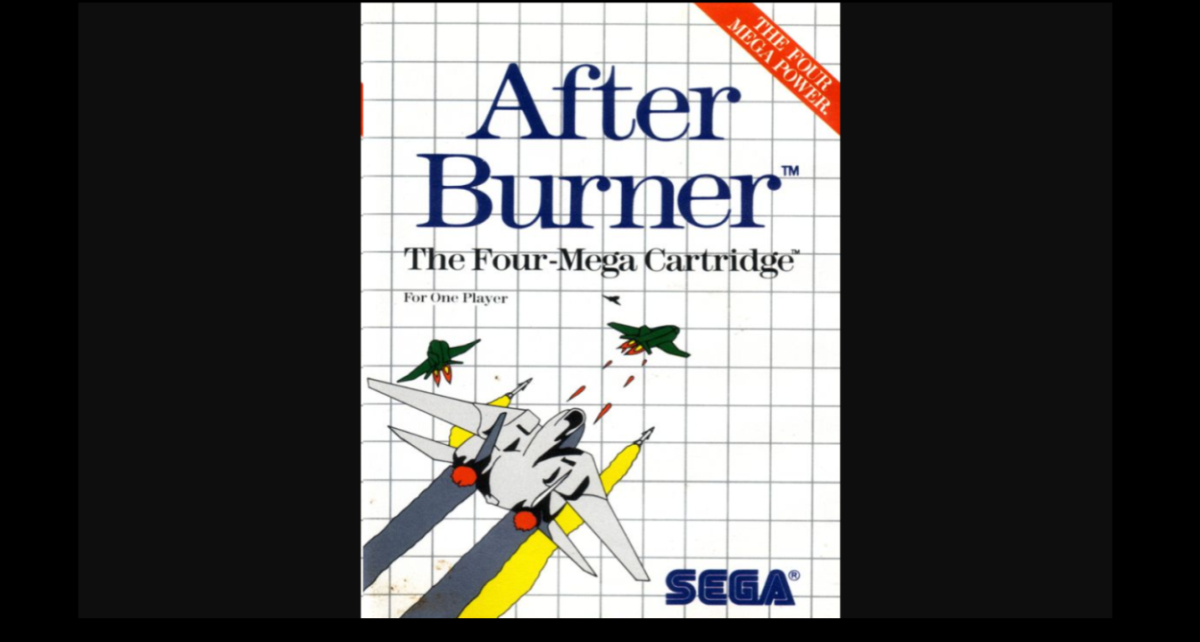
Something of a Relic, from a Lost Time and a Lost Console…….
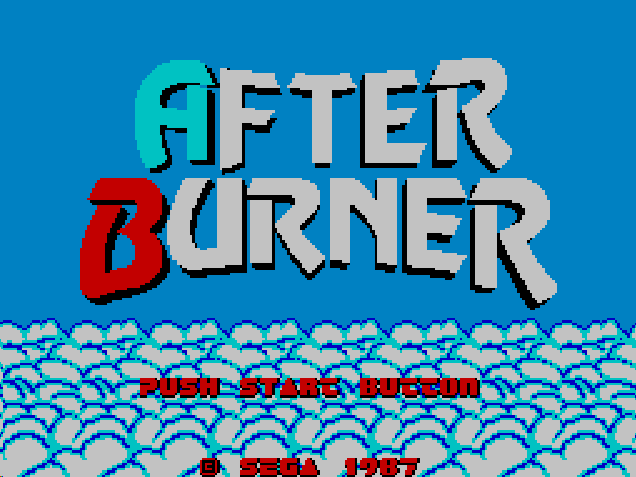
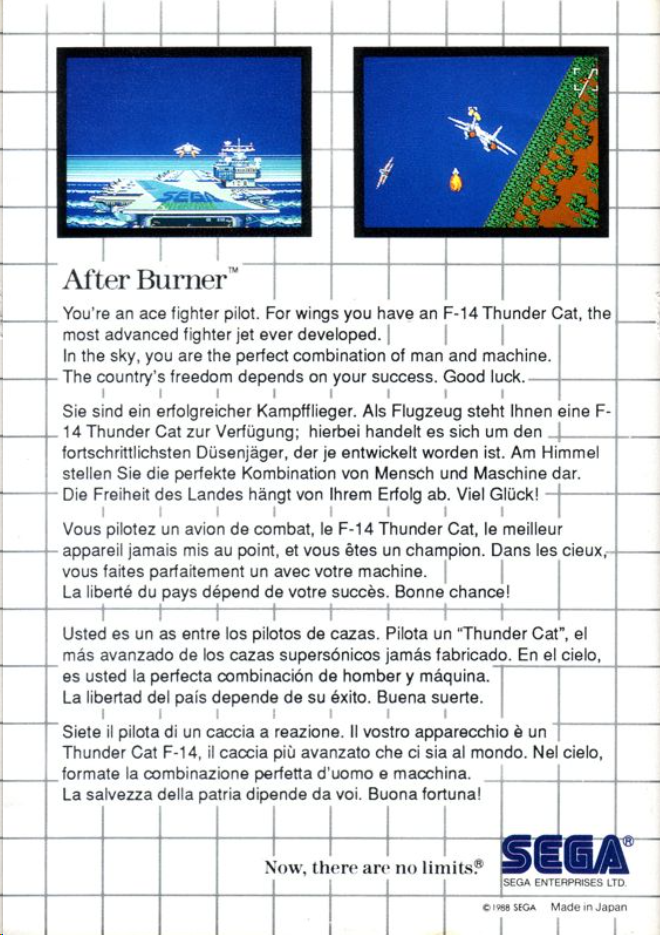
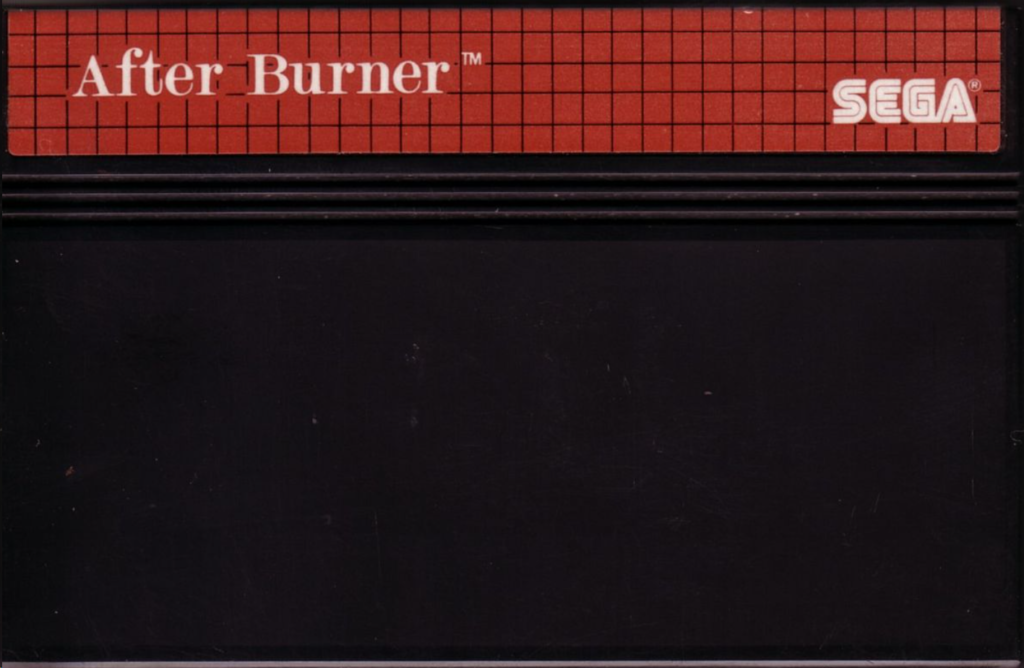
Afterburner, a timeless classic, refuses to fade into the background, persisting as a reminder of the early days of action games. Originally featured in arcades with a rotating gyro seat and piloting stick, and subsequently adapted for various home systems, its arrival on the Master System marks the beginning of its enduring legacy. Despite not being the most visually striking game and occasionally lagging in performance, Afterburner remains a testament to the roots of action gaming.
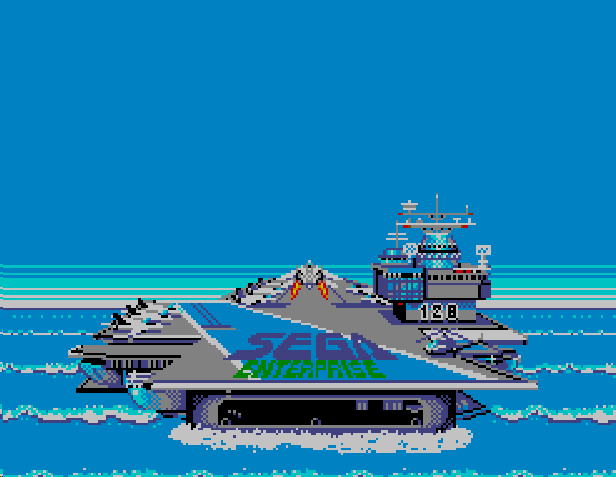
Piloting an F-14 Tomcat fighter, players embark on a journey through multiple stages filled with mind-blowing aerial action. While the scenery may lack variety, the game compensates with an arsenal of weapons and challenges to keep players engaged. Don’t expect an intricate storyline; Afterburner adheres to a simple approach of inundating players with enemies, explosions, and a title slapped on for good measure.
Gameplay:
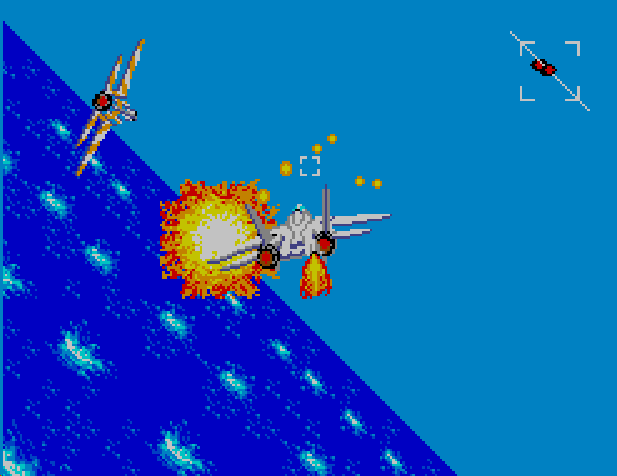
Afterburner adopts a behind-the-view shooter format, placing players in control of an agile fighter plane within confined spaces. In terms of gameplay and control, the experience remains consistent across stages, leaving players with a sense of repetition. Weapon options are limited to machine guns and missiles, requiring players to master them at all difficulty levels.
The difficulty level is moderate, catering to both novice and seasoned players. The button configuration is user-friendly, but acclimating to the occasionally sluggish movements of Afterburner’s fixed position demands some practice. Success in later stages hinges on precise timing and familiarity with enemy patterns.
Graphics:
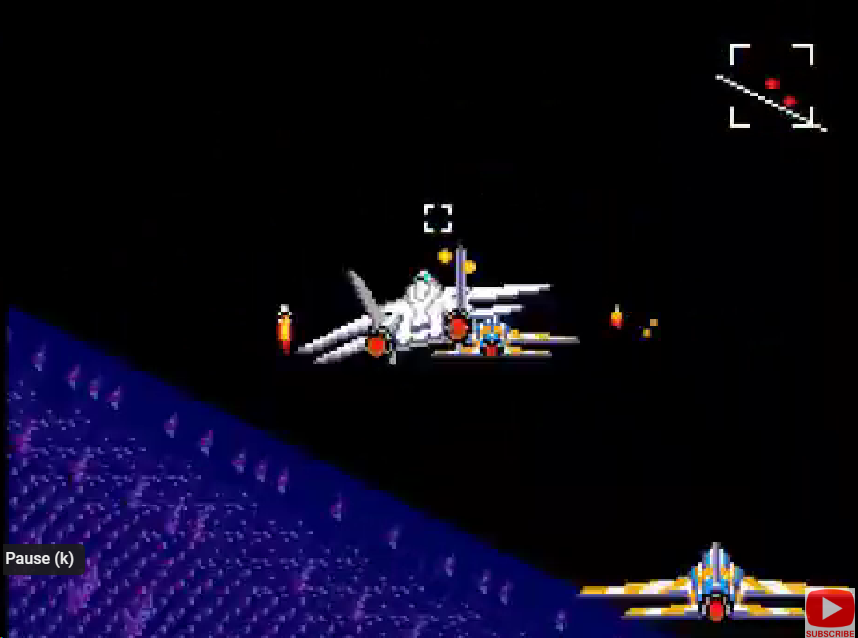
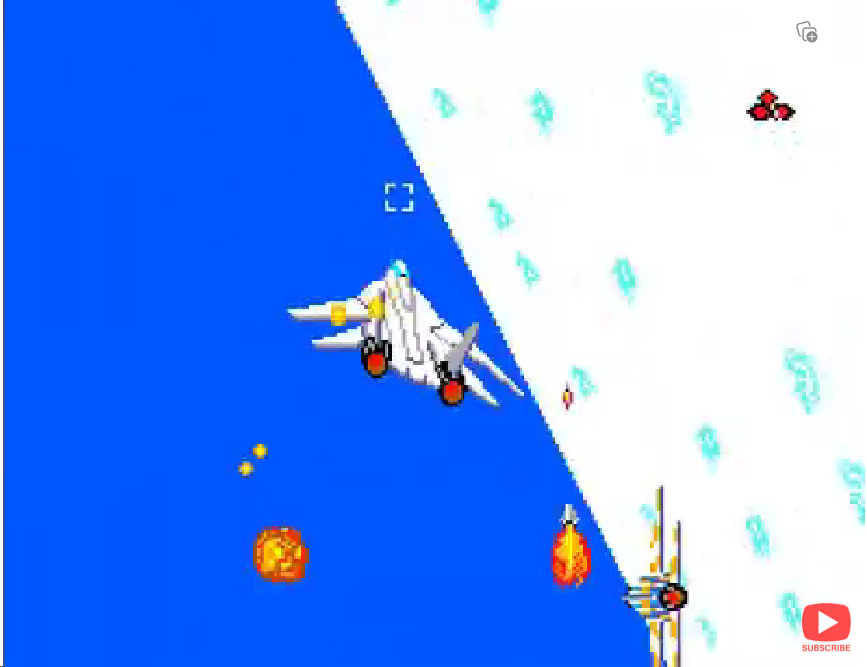
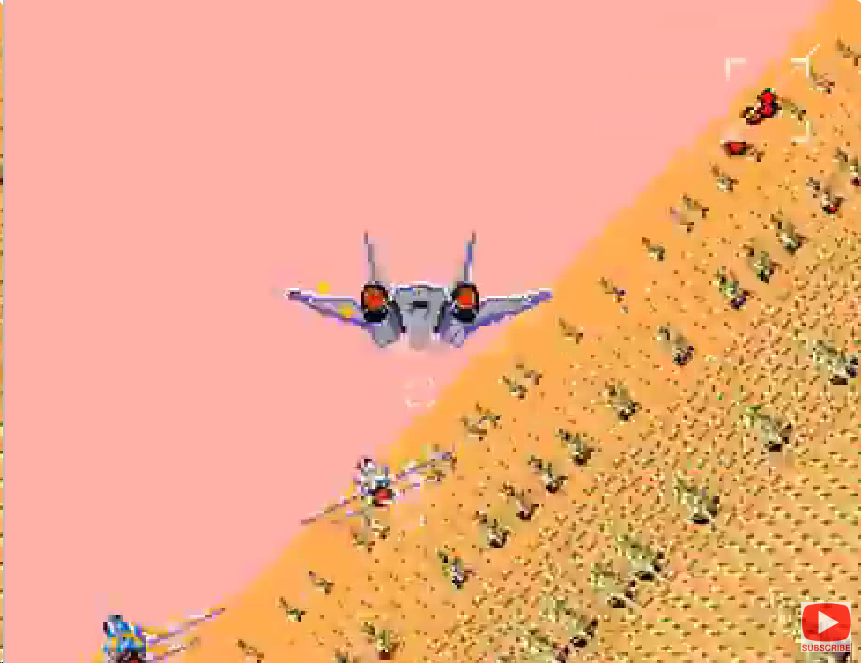
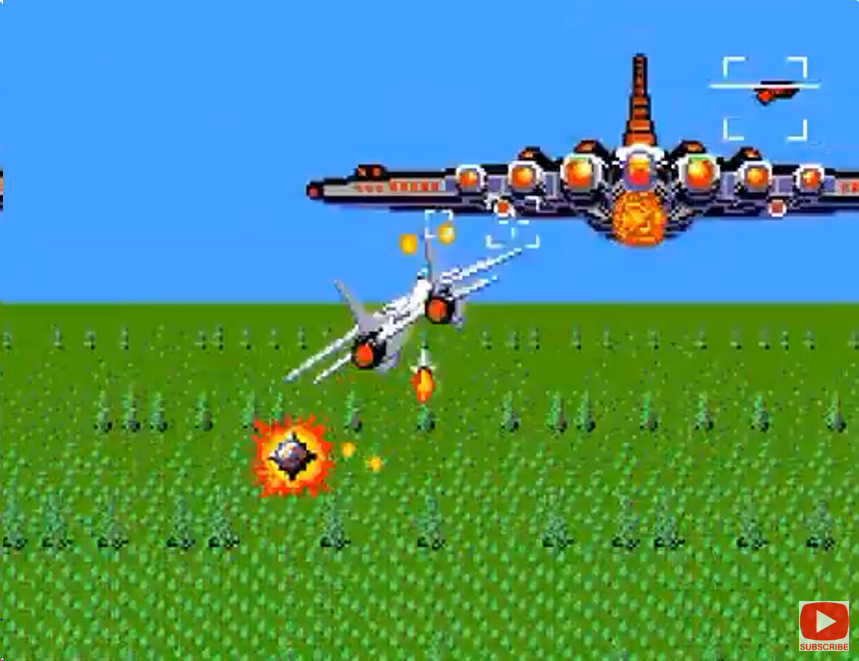
Visually, Afterburner underutilizes the Master System’s capabilities, appearing somewhat muted in certain areas and excessively blocky in others. While Master System owners might not notice these subtleties, players familiar with the arcade and other home versions may find the visuals lacking. Despite this, the game maintains a fast pace, aligning with its overarching theme of speed and intensity.
Sound/FX:
The audio seems a bit out of place, reminiscent of an attempt to emulate a Top Gun movie soundtrack. The somewhat muted rock sounds, characteristic of the game’s era, might not appeal to everyone. However, the explosions and gunfire contribute enough to the sound department to maintain interest for a reasonable period before potentially becoming monotonous.
Overall:
Afterburner on the Master System isn’t a really bad game, but it must be assessed in the context of its era. In the age of modern flight simulation games like Ace Combat 4 and Top Gun on the PlayStation 2, Afterburner stands as a relic from a bygone era on a somewhat overlooked system. While not devoid of redeeming qualities, it may feel outdated to those accustomed to contemporary gaming experiences.
Blurred visuals, a somewhat mis-fitting soundtrack, and the fixed orientation of your fighter jet on the screen might deter newer gamers. Yet, for dedicated Master System owners with a penchant for Afterburner, this title holds a place in their collection as a classic relic of video game history.
BREAKDOWN:
GRAPHICS: 54%
MUSIC/SFX: 60%
PLAYABLITY: 62%
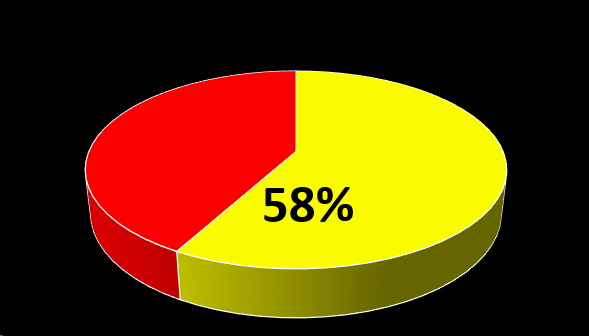
OVERALL: 58%
Platform: Sega Master System
Genre: Simulation-Flight-Combat
Developer/ Publisher: Sega
Release: 1988
Franchises: After Burner