Not Bad, Not Bad at all …… but not brilliant.
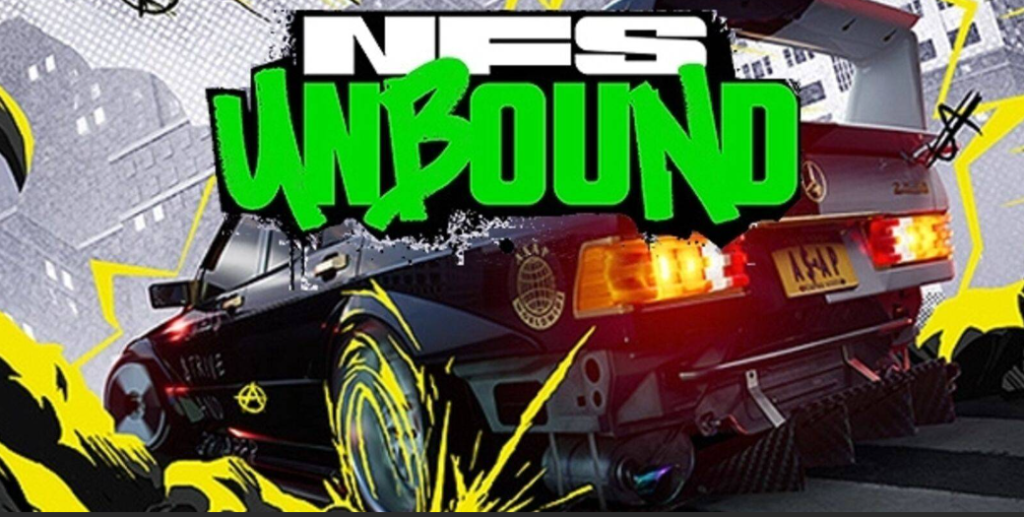
No other racing game released this year boasts the distinctive visual style of Need for Speed Unbound, which is quite a feat considering the established and convention-bound nature of the genre. Criterion Games has fully embraced a wild and animated visual flair that gives the impression of being plucked straight from the pages of a comic book. Despite this unique aesthetic, the core driving mechanics and the day/night race structure remain familiar to those who enjoyed 2019’s Need for Speed Heat. As a result, Unbound stands out as a visually stunning racing experience, but it falters with its grating story mode and a stripped-down, unfinished online mode.
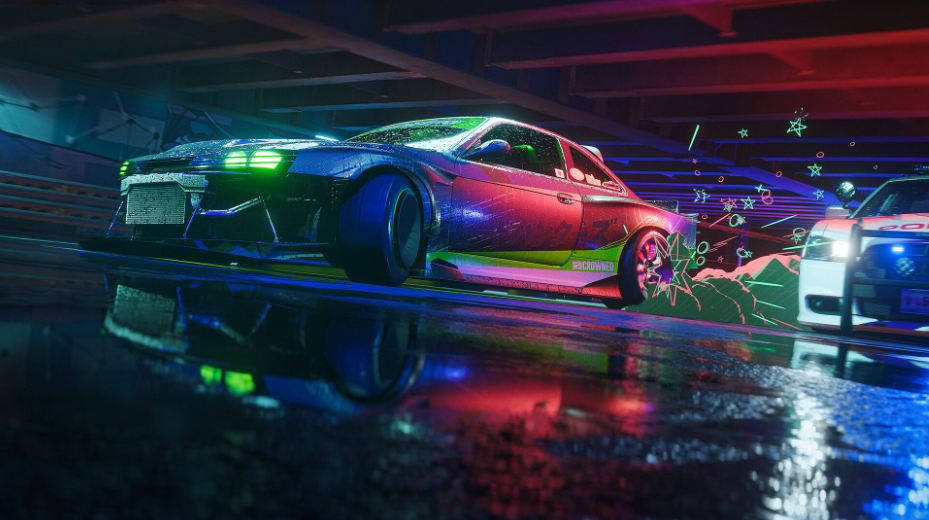
While Need for Speed Heat didn’t revolutionize arcade racing, it pleasantly surprised fans and put the franchise back on the right track. However, developer Ghost Games was disbanded, and the series found its way back to former developer Criterion Games for Unbound, resulting in a striking transformation. In the game, you have the ability to apply artistic embellishments like smoke and illustrations to your cars, just like any other visual customization part. There is a range of options to choose from, although they mostly appear quite similar, differing mainly in the color of the smoke and the selection of graphics that adorn the sides of your car like wings or flash above the roof like temporary hats. It is worth noting that the effects you choose apply globally to your entire garage, and it’s a missed opportunity that you can’t select unique effects for individual cars.
Criterion’s attempt to set Need for Speed Unbound apart from its competitors is evident in its stylish and street art-inspired visuals, reminiscent of the film “Into the Spider-Verse.” The commitment to this unique aesthetic is commendable, and the execution is impressive. The visual effects feel integrated into the 3D world rather than superficially pasted on top. Special animations, like donuts, maintain their coolness even with a dynamic camera.

However, the contrast between Unbound’s cars, which strive for photorealism, and its cartoonish characters and effects is a peculiar choice. While it’s not jarring, especially considering the improved lighting since Heat, at its best, Unbound resembles a highly stylized and interactive trailer. Yet, I can’t shake the feeling that it’s a compromise or an unintentional oversight that the vehicles and the game world didn’t receive the same treatment. It’s reminiscent of games like “Auto Modellista” or “Inertial Drift” from 2020, which embraced a more cohesive visual style. While this might have been controversial or divisive, I believe it would have resulted in a more visually appealing solution.
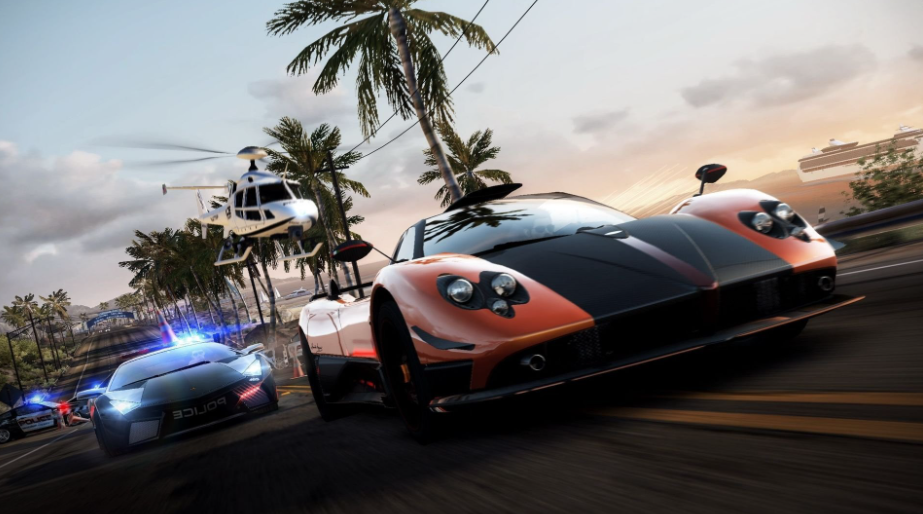
When it comes to gameplay, Unbound follows a format similar to Heat, which is not necessarily a bad thing. Heat was a significant improvement over its predecessor, Payback, and I enjoyed it. However, it does give Unbound the feeling of being an evolution of Ghost Games’ work rather than a game where Criterion has left a distinct mark, as it did with the acclaimed 2010 reboot of “Need for Speed: Hot Pursuit” and the 2012 version of “Need for Speed: Most Wanted.”
Unbound introduces a new map inspired by Chicago’s Lakeshore, featuring grid-like streets and tunnels for urban racing. However, the city itself feels somewhat plain compared to Heat’s vibrant and neon-filled Palm City, reminiscent of Miami. The countryside in Unbound also lacks memorability and is rather typical. It mainly consists of freeways, backroads, and hills covered with trees. While there are a few enjoyable mountain segments with winding switchbacks for drifting, overall, there isn’t much that stands out outside the cityscape.
In the single-player mode of Unbound, the police function similarly to Heat, although I find it slightly easier to evade them this time. Unbound appears to have improved its ability to detect when I’m accelerating into open space. Unlike in Heat, I haven’t experienced arbitrary busts simply because the cops were near my car that was otherwise getting away. This was a common frustration in Heat, so I’m glad to see that it seems to have been addressed in Unbound.
The driving model in Unbound is strictly arcade-style, just like in Heat. This means that cars can be tuned for grip, drift, or a balance between the two. While I haven’t been able to determine whether it’s my driving style or my handling slider settings, I’ve noticed that my attempts at grip tuning often result in understeer. On the other hand, the drift handling feels more reliable and is my preferred choice. The game still offers the option to choose between a classic brake-to-drift cornering style or a throttle-based approach to initiate sideways drifts. This caters to both camps of players, which is a smart move.
Similar to Heat, Unbound follows a day and night event structure for its races, but with a slight tweak. In Heat, daytime races were legal while nighttime events were illegal, but in Unbound, all races are considered forbidden, regardless of the time. One notable change is that cop heat accumulated during the day carries over to the night, adding an interesting element to consider. Balancing the desired level of police attention for nighttime races becomes a strategic challenge. Higher-paying races come with higher initial heat levels, but they also require larger buy-ins. This means that performing poorly can result in losing money, especially since Unbound limits the number of restarts. While the inclusion of a gambling aspect raises some concerns due to questionable AI tactics that feel stacked against the player, it does add tension and a sense of higher stakes to the experience.
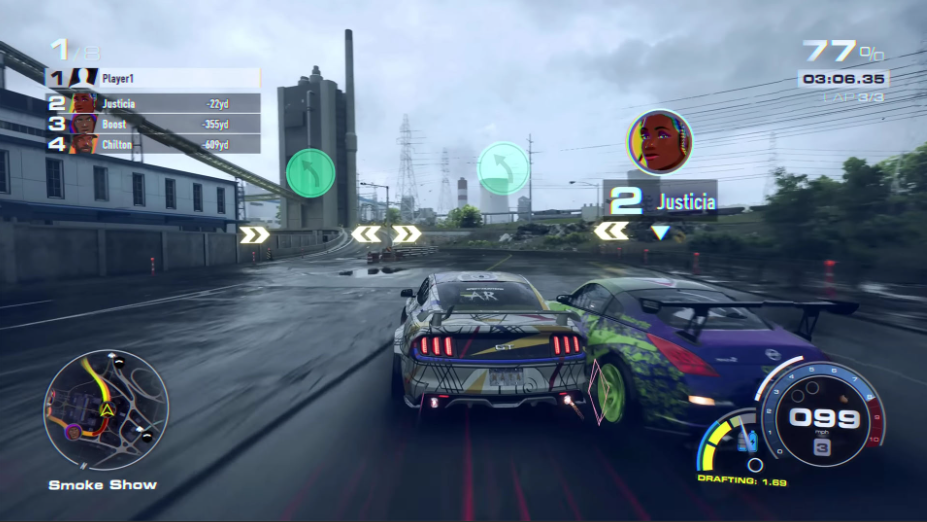
To its credit, Unbound offers a progression system that doesn’t solely rely on winning every race, providing a consistent challenge without completely halting progress. However, accumulating the necessary funds to build a competitive car and afford high-risk race buy-ins can feel like a grind, especially in the early stages.
The game offers three difficulty levels, and regardless of the selection, Unbound can present a tough test. At times, though, it crosses the line from challenging to cheap, with AI racers occasionally sprinting ahead at an impossible speed, leaving no room for even perfect driving and boosting to catch up.
The issue of opponents matching your speed instantly when triggering nitrous boosts is not unique to Unbound, as it is a common complaint in various arcade racers. Unfortunately, this can make the boost system feel ineffective and underwhelming. What’s even more frustrating is when a crashed opponent magically respawns ahead of you on the track. Losing to a racer who clearly cheated their way to a higher position, especially when you wagered in-game cash on defeating them and have no restarts left, is incredibly aggravating.
Even on the lowest difficulty setting, the AI racers in Unbound can unexpectedly prove to be highly competitive. It was quite surprising to witness the so-called ‘Relaxed’ setting provide a ruthless challenge, except for the moments when I cringed at the dialogue.
Heat’s storyline may not have been award-winning, but it was a welcome departure from the disappointing narrative of Payback. However, Unbound feels like a step backward in that regard. While the overall story is harmless, its blend of teenage angst and shallow philosophizing pushed my tolerance to its limit. Personally, I believe the mayor of Lakeshore has valid reasons for wanting to curb reckless driving and protect innocent commuters from high-powered JDM cars causing havoc on the roads. Therefore, it’s difficult to empathize with the constant complaints from the cast about their perceived loss of personal freedom due to traffic laws meant to prevent vehicular accidents. Admittedly, it’s challenging for a 28-year-old franchise like Need for Speed to cater to the diverse tastes of its entire audience, but I must warn veteran players from the mid-’90s that they may not feel well-represented in Unbound. None of the young and slim Instagram influencer avatars, with their questionable fashion choices resembling music festival drug dealers or off-brand Weird Al Yankovic, truly resonate with that demographic.
The extensive car customization, a hallmark of the series since Ghost reintroduced it in the 2015 Need for Speed reboot, still has universal appeal and remains a highlight of Unbound. However, there is a clear generational disconnect when it comes to the characters and tone of the game. Fortunately, you can engage with Unbound without the story layer by playing the separate cross-play enabled online multiplayer mode, which focuses solely on racing and upgrading your vehicles. Unfortunately, the online mode is lacking several features at launch, most notably the absence of police pursuits. Equally unfortunate is the fact that online and single-player modes are entirely separate, meaning your progress and garage from the single-player campaign do not carry over to the online mode. After investing over 30 hours in the story mode, the thought of starting from scratch online dampened my enthusiasm considerably.
When it comes to the core gameplay, Need for Speed Unbound stays true to the foundations laid by its predecessor, 2019’s Heat. This might come as a surprise considering the return of Criterion, a studio known for its distinct style. However, this continuation is not necessarily a negative, as Heat injected much-needed energy into a franchise that was running low on inspiration. Unbound does manage to stand out thanks to its bold introduction of animated characters and captivating special effects. While the combination of traditional graphics and cartoon-inspired elements may seem unusual, the execution is impressive and instantly recognizable as a part of this long-standing series.
Nevertheless, the single-player mode’s cast of entitled characters may not resonate with older players who seek a deeper connection. Despite the expressive car customization tools, there is a noticeable generational gap in the game’s tone and characters. Unfortunately, the separate online mode also lacks essential features such as police pursuits, which diminishes the overall experience.
BREAKDOWN:
GRAPHICS: 86%
MUSIC/SFX: 88%
PLAYABLITY: 79%
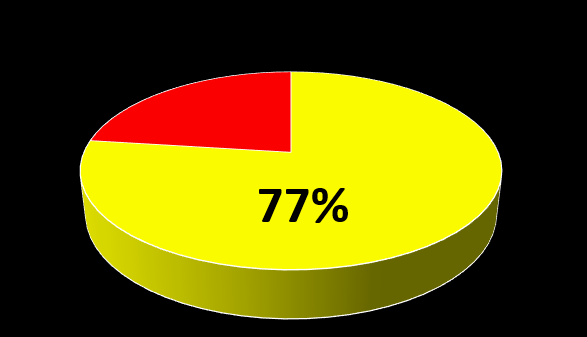
OVERALL: 77%
Platform: PC, Xbox, PS5
Genre: Racing-Arcade-Automobile
Developer: Criterion Games
Publisher: Electronic Arts
Release: 2022
Franchises: Need for Speed