A real ‘Stinker’ of a Game
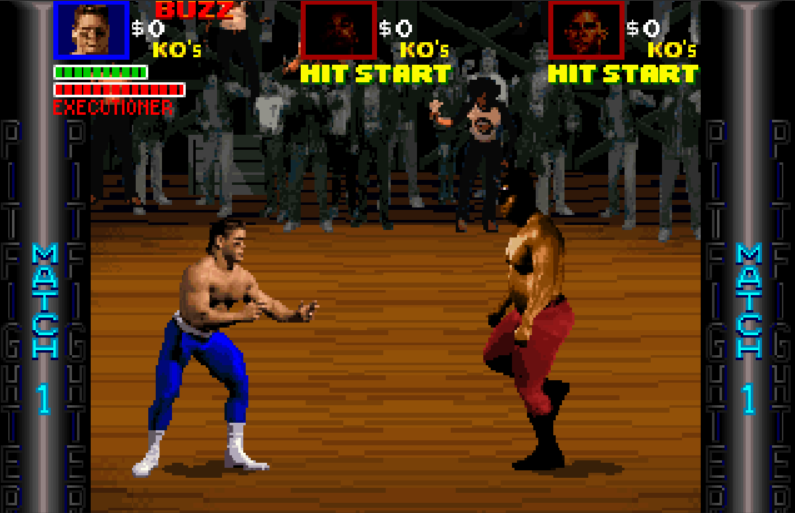
Pit-Fighter, developed by Atari Games in 1990, falls short of delivering an enjoyable arcade experience. In terms of gameplay, it barely surpasses Athena, making it a contender for one of the worst arcade games I’ve ever played (although Violence Fight & Double Dragon III The Rosetta Stone are worse in the Beat-em-up department).
Pit-Fighter exemplifies a common flaw in games that prioritize graphics over gameplay. For its time, the graphics were impressive, and even the console versions managed to captivate with their digitized visuals. Undoubtedly, the game’s strongest aspect lies in its graphics. The background graphics, featuring digitalized characters, create a lively atmosphere as random individuals occasionally step forward to engage you in combat.
Winning a fight rewards you with a scene where you stand atop a machine lift truck, surrounded by cheering spectators. This well-executed display highlights the game’s graphical prowess. Additionally, the stages offer some variety, taking you through subways, underground locations, and parking garages where you can even hurl motorcycles. This demonstrates a commendable effort to avoid repetitive environments.
The character models themselves are visually impressive. One notable character, Mad Miles, stands out with his mustache and gray army pants, perpetually reaching for a weapon. I found it relatively easy to corner and defeat him. Sometimes, enemies’ relentless pursuit of weapons actually makes them more vulnerable, providing an unintended advantage.
However, Pit-Fighter’s greatest downfall lies in its gameplay. It becomes apparent that the primary focus was to showcase the graphics, leaving little room for refined gameplay mechanics.
The available moves are disappointingly limited, restricted to basic punches, jumps, and kicks. The absence of diverse move sets or meaningful combos is glaring. Players are left with no choice but to spam a single move and resort to button mashing. The characters absurdly fly backward when hit, often resembling pinballs, especially when struck into the crowd. The surrounding spectators will attack anyone who comes near, allowing you to maintain a safe distance and repeatedly knock your opponent into the unruly mob.
In this game, you can choose to play as either Buzz, Ty, or Kato. While I believe Buzz is the stronger character, it has a similar dynamic to Final Fight, with Buzz resembling the powerful Mike Haggar, and Ty and Kato playing a role similar to Guy and Cody. However, Kato’s entrance bow often results in him getting hit as well.
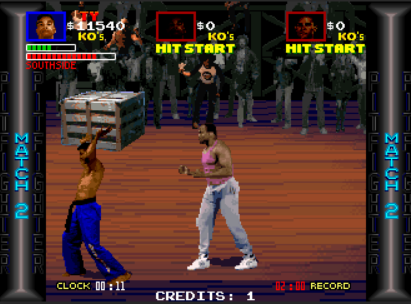
Throughout the game, you can acquire various weapons such as knives, sticks, and barrels. While this concept sounds intriguing, the execution is quite poor. The game feels clunky when using weapons, especially when throwing them at enemies. The throwing pattern feels awkward, as if the weapon is flying off the screen vertically. Additionally, picking up weapons can be challenging since you have to be in a specific position, making it nearly impossible in tight situations.
The one redeeming aspect of the game is the power pill, akin to a power pellet. By throwing crates or barrels, you can reveal an orb with a P on it. When obtained, it temporarily transforms your character into a green, powerful state, increasing your damage output. However, be cautious, as enemies can also harness this power.
The game consists of a total of eleven matches, culminating in the Championship match against a masked character named Warrior. Each stage, except for the final one, features Grudge Matches where you face a shadow version of yourself. The objective is to knock down the shadow opponent three times.
Despite its flaws, this game offers a unique character selection and an intriguing power pill mechanic. However, the clunky weapon mechanics and challenging weapon pickups hinder the overall gameplay experience. With its series of matches and Grudge Matches, the game provides a decent challenge leading up to the ultimate Championship bout against Warrior.

The programming in Pit-Fighter is disappointingly lazy, allowing for an easily exploitable tactic of pinning your opponent to a corner and relentlessly attacking them until they succumb and turn gray. The only real challenge arises just before the final match when you encounter the formidable duo known as Chainman Eddie. They drain your cash and demand more, posing a significant hurdle to overcome.
Pit-Fighter is akin to dating an outwardly attractive yet conceited individual—beautiful on the surface but lacking substance within. The gameplay is repetitive, revolving around mindlessly spamming a single move until your opponent crumbles. I found Kato’s elbow move to be the most effective in dispatching foes. Unfortunately, most enemies simply rise to their feet to endure further punishment.
I can’t believe I wasted my cash on this game at the arcade. While I was aware that the console version was subpar, I had higher expectations for the arcade edition. Sadly, this experience has left me disillusioned. This arcade cabinet can find its rightful place in the pit, where I can spit down upon it as it descends, never to be played again.
BREAKDOWN:
GRAPHICS: 74%
MUSIC/SFX: 59%
PLAYABLITY: 20%
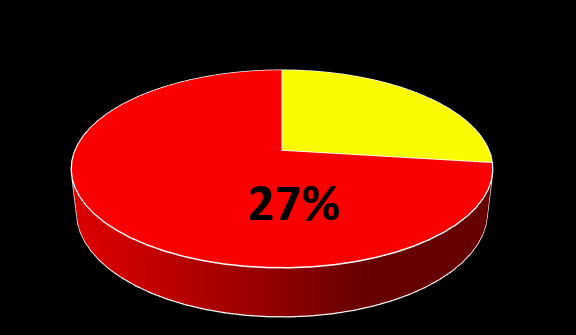
OVERALL: 27%