THE Original Stars & Shuriken Ninja Scroller ……. and a pretty good one as well.
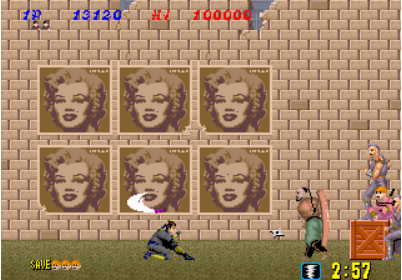
Ninjas became a global phenomenon in the 1980s, thanks to their prominence in popular culture and media. Their influence extended to video games of the time, with Sega’s Shinobi (a word synonymous with “ninja”) standing out as one of the most beloved titles, despite not being the first ninja-themed game. The protagonist, Joe Musashi, carved a path through hordes of terrorists, paving the way for numerous other stealthy assassins.
Originally introduced in arcades in 1987, Shinobi underwent significant gameplay changes as sequels were released on consoles and handhelds. However, certain elements remained consistent across the games. Set in a near-futuristic world, players would combat soldiers, ancient Japanese demons, bio-mutants, and robots. Characters were armed with swords, shurikens, and the ability to utilize ninjitsu magic to clear the screen of enemies or gain temporary invulnerability. Most of the games in the series were rated as good to excellent, with only a couple of below-par entries.

The first Shinobi game, initially an arcade experience, featured Joe Musashi, a skilled ninja (though lacking the cool mask depicted on the iconic title screen). The evil organization Zeed had begun terrorizing the Oboro ninja clan by abducting their children. Each level’s objective was to rescue the hostages and reach the exit, although locating the children was relatively easy as they were not concealed. The game mechanics heavily borrowed from Namco’s Rolling Thunder series, combining strategic gameplay with fast-paced action. Similar to Rolling Thunder, players could switch between different planes by holding up or down while jumping. Joe had the ability to leap across rooftops or fences in innovative dual-plane level designs for that era.
Of course, the journey was challenging one due to the relentless onslaught of adversaries. Some enemies mindlessly charge at you, while others take cover behind boxes or blocked attacks with shields. The ninja enemies are particularly deadly, appearing in large numbers and swarming Joe if not swiftly dealt with. While players can constantly unleash shurikens by hammering the fire button, they also needed to time their assaults correctly, striking enemies when their guard was down. In addition to the unlimited supply of throwing shurikens, players can engage in melee combat by getting close to an enemy. A melee attack, either a karate punch or a sword slash depending on power-ups, can often bypass an enemy’s defences. Our character is a pretty vulnerable ninja, as a single bullet or stab wound can result in instant death and a return to the beginning of the level. However, you can still ram into enemies without sustaining damage, allowing for stunning tactics and swift finishing moves.
Memorable boss battles await players as well, with occasional appearances midway through stages, either taunting or attacking Joe. Each boss is introduced with a document outlining the attack route and a stamped portrait that marked their defeat. The first boss is a formidable armoured warrior named Ken-Oh, who hurls fireballs from his fists and can only be damaged by a shuriken to the face. The second boss, Black Turtle, has a helicopter deploying wave after wave of soldiers.

The third level features a peculiar mechanical face called Mandara, attached to a wall and shooting bouncing fireballs from its mouth. He’s guarded by rotating statues that gradually advance, attempting to crush you against the wall. The fourth boss, Lobster, is a large sword-wielding samurai vulnerable only in the head. Finally, the ultimate foe Nakahara, is a Masked Ninja who, funnily enough, was Joe’s former mentor and possesses lightning powers.
The game posed a challenge, but players were provided with ninja magic that could be used once per level. This magic clears the screen of enemies or inflicts significant damage on bosses, providing an advantageous edge. Bonus stages presents first-person shooting galleries where players hurl shurikens at approaching ninjas. Miss too many targets or allow them to get too close results in failure. These stages are demanding but reward skilled players with extra lives. The arcade version of the game was initially designed to utilise a shuriken-shaped controller, which worked well for the bonus levels but hindered gameplay elsewhere. Consequently, it was replaced with a standard joystick.
Overall, Shinobi remains an exceptional game. Its challenging yet fair gameplay and meticulous design have contributed to its status as a timeless classic that has aged remarkably well. Find it and play it.
BREAKDOWN:
GRAPHICS: 77%
MUSIC/SFX: 79%
PLAYABILITY: 80%
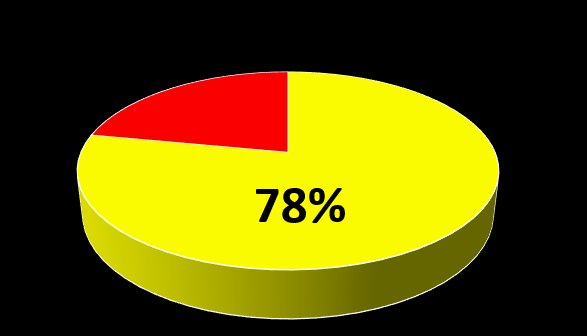
OVERALL: 78%
Platform: Arcade Games
Genre: Action-Platformer-2D
Developer/Publisher: Sega
Release: 1986
Franchises: Shinobi