A True Classic of it’s Era…..

Joust stands as one of the timeless classics in the arcade and console gaming realms, featuring armored knights mounted on flapping ostriches, alongside buzzards, pterodactyls, and trolls residing in lava pits. Developed by Williams Entertainment, a prominent arcade company, this game emerged as an upright-based masterpiece in 1982, designed by John Newcomer and programmed by Bill Pfutzenreuter.
Players took on the role of a lance-wielding, armoured knight riding a blue-plumed ostrich, navigating a platform level with floating rocks and ground areas covering two lava pits at the screen’s far ends. Progressing through levels unveiled additional challenges, including burning ground above lava pits and the introduction of a menacing troll, ready to drag players into the lava if they ventured too close.

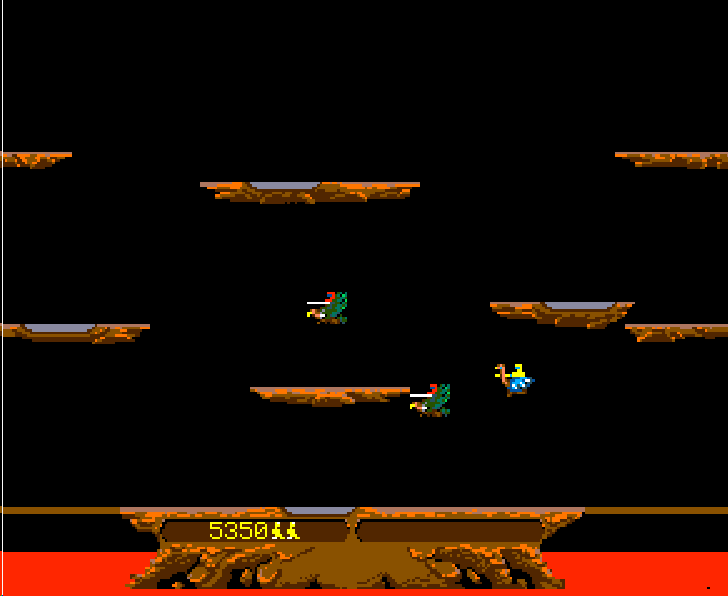
The primary adversaries were other knights riding giant buzzards, similarly equipped with lances and armor. The objective was to fly just above the opposing knights, delivering a decisive hit with a zapping sound effect, causing the buzzard to seek a new rider. Being below the opposing knight resulted in losing a life, while intersecting lances led to a simple bounce-off. Defeated buzzard riders turned into glowing green eggs, which players aimed to capture, permanently eliminating their foes. Delaying capture allowed the egg to hatch a new, stronger opponent. If players took too much time, a pterodactyl appeared, attempting to expedite their demise. A skilled shot to the monster’s beak, though challenging, usually destroyed it.
Gameplay and controls for the upright console were elegantly simple, with a joystick for left and right movement, flight control, and running. A toggle in the opposite direction brought the bird to a stop, complete with a screeching sound effect. A single button controlled the ostrich’s wing flapping and flight pattern, while releasing the button lowered the player to the next level.


Joust’s success spawned imitators and a sequel. In 1983, Atari and Colecovision released Sir Lancelot for their systems, replicating the gameplay mechanics of Joust in an Arthurian setting. Commodore 64 introduced DragonHawk in 1984, a dragon-slaying game with a similar combat approach. The much-anticipated sequel, Joust 2: Survival of the Fittest, arrived in 1986, offering a more intricate environment and the option of riding a Pegasus-styled beast. However, it proved more challenging and less satisfying than its predecessor, with limited upright releases and a failure to capture the original’s thrill and innovation.
BREAKDOWN:
GRAPHICS: 75%
MUSIC/SFX: 60%
PLAYABLITY: 92%
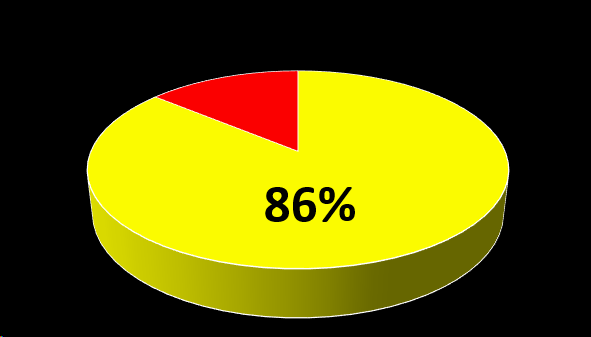
OVERALL: 86%
Platform: Arcade
Genre: Action-Platformer-2D
Developer/ Publisher: Williams
Release: 1982
Franchises: Joust